 Traffic Laws Taking Effect in January 2026 Reflect a Broader National Push for Accountability
As 2026 begins, drivers across the United States are facing a sweeping set of new traffic regulations that signal a coordinated shift toward stricter enforcement, expanded use of monitoring technology, and tougher penalties for high-risk behavior. While traffic laws remain primarily state-governed, the scale and similarity of changes taking effect this January point to a nationwide recalibration of road safety policy.
One of the most consequential changes is Louisiana’s “touch” law, which becomes fully enforceable on January 1 following a public education grace period. Unlike earlier hands-free statutes that focused on texting or phone calls, the new rule prohibits drivers from physically touching a mobile device while operating a vehicle. Limited exceptions apply only when vehicles are safely parked or when contacting emergency services. Penalties escalate quickly, starting at $100 for a first offense and rising to $300 for repeat violations, with possible license suspension in aggravated cases. Crowdsourced discussions on regional social platforms have highlighted confusion during the grace period, but state officials have emphasized that enforcement will be consistent once the law is active.
Red-light enforcement is also expanding through automated systems. In Maryland, red-light cameras at nine intersections completed a warning-only phase in December, with fines beginning January 5. Violations now trigger $75 citations mailed directly to registered vehicle owners. California municipalities are moving in a similar direction, with local governments authorized to deploy red-light cameras that capture detailed images of vehicles and drivers. Online community forums have raised privacy concerns, while traffic safety advocates continue to share collision data supporting camera deployment at high-risk intersections.
License plate misuse has emerged as another major enforcement target. In California, a new statute effective January 1 explicitly bans license plate “flippers,” tinted covers, and other devices designed to obscure or manipulate plate visibility. While such devices were technically restricted under earlier laws, enforcement gaps allowed widespread retail and online sales. Under the updated rules, drivers using prohibited equipment face $250 fines, while manufacturers and sellers can be penalized up to $1,000 per item. Social media videos showing toll evasion tactics and altered plates have played a notable role in drawing public attention to the issue.
California has also enacted new penalties targeting high-tech tools associated with vehicle theft. Possession of key-programming devices and signal extenders with intent to commit burglary now carries potential fines of up to $1,000 and possible jail time. Automotive professionals and locksmiths have used industry forums to emphasize the importance of carrying documentation to demonstrate legitimate use.
Additional California measures include expanded “slow down and move over” requirements that now apply to any stationary vehicle using hazard lights or safety equipment, authorization of work-zone speed enforcement pilots using radar and laser systems, and locally adjustable school-zone speed limits. These updates have been widely discussed in community safety groups, particularly in areas experiencing frequent work-zone collisions.
Beyond California and Louisiana, other states are tightening regulations tied to emerging risk trends. Colorado lawmakers are advancing legislation targeting street racing events increasingly organized through social media platforms. Proposed penalties include vehicle immobilization, daily storage fees, and expanded use of livestream footage as evidence. Viral videos of large racing gatherings have been repeatedly cited by residents and local officials as justification for tougher laws.
Driver education requirements are also evolving. Connecticut now requires cameras to remain on during online driver education courses, and new teen permit holders must complete specialized safety training focused on roadside and highway work zones. In Oklahoma, aggravated DUI offenses were elevated to felony status in November, while North Carolina implemented late-2025 changes reinforcing enforcement of high-risk driving behaviors.
Taken together, these measures reflect a broader national shift away from leniency and toward proactive enforcement supported by technology, data, and digital evidence. As January 2026 unfolds, drivers are encountering a new regulatory environment that places greater emphasis on accountability, compliance, and the prevention of behaviors that have increasingly been amplified through online platforms. The message from lawmakers and transportation agencies is clear: routine habits that once drew warnings are now far more likely to result in significant penalties.
METRO NEW RULES

 Nikki Minaj had to know that she would never truly be welcomed under the MEGA tent, and that her evolution would end in disaster. How could she expect to go from peddling “Ho” to pimping “Holy”.
 stepped in it, trying to broaden the base by inviting a bunch of hip hopping social media ner-do-wells to join a pretentious cult. Nobody likes or trusts a benidict arnold, or a turn coat snitch. That is what Nikki represents to her liberal fan base, and it’s what she represents to far right stalwarts. In today’s identity politics, nthanothing is worse than identity “code switching.”
 Baby y’all chicks got to stay in ‘yo lane, and leave the manipulative, underhanded shenanigans to the true sharks, snakes, and charlatans on both sides.
 On a recent day at the busy corner of Pico Boulevard and La Brea Avenue in Los Angeles, a spontaneous yet carefully organized community gathering unfolded that reflected the evolving food, art, and cultural landscape of Mid-City. At 4972 W. Pico Blvd., a well-known Black-owned New York–style pizzeria became the setting for a pop-up collaboration that drew neighbors, creatives, and longtime supporters into a shared public moment centered on food, local enterprise, and cultural expression.
 The location itself is already a recognized neighborhood fixture. Founded by Harlem native Esteban Gutierrez, the pizzeria has built its reputation on authentic New York–style pizza, emphasizing thin, crispy crusts and generously sized slices. Gutierrez brings more than 20 years of experience rooted in his father’s New York pizzeria, and that lineage is central to the shop’s appeal. For many patrons—particularly former East Coast residents—the taste and presentation closely match what they remember from New York City. This consistency has helped the business earn a loyal following in Mid-City Los Angeles.
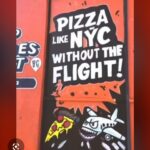 Nutella knots, which are frequently cited by customers as a standout item. Vegan options are a notable part of the menu, with clearly labeled plant-based slices such as vegan Margherita, Veggie, and Pesto Cheese. These pizzas use vegan cheese sourced from local providers like Vromage, reinforcing the business’s emphasis on local partnerships and inclusive dining options.
 In 2025, the business continues to operate as a Black-, Latino-, and woman-owned enterprise, with Gutierrez partnered with entrepreneur Aryn Drake-Lee. The shop is open daily from 11:00 a.m. to 11:00 p.m. and offers dine-in, takeout, and catering services. Popular menu items include Margherita and pepperoni slices, typically priced around six dollars, as well as specialty offerings like white clam pizza finished with fresh lemon. Orders can be placed in person or through online platforms such as Slice and the shop’s official website.

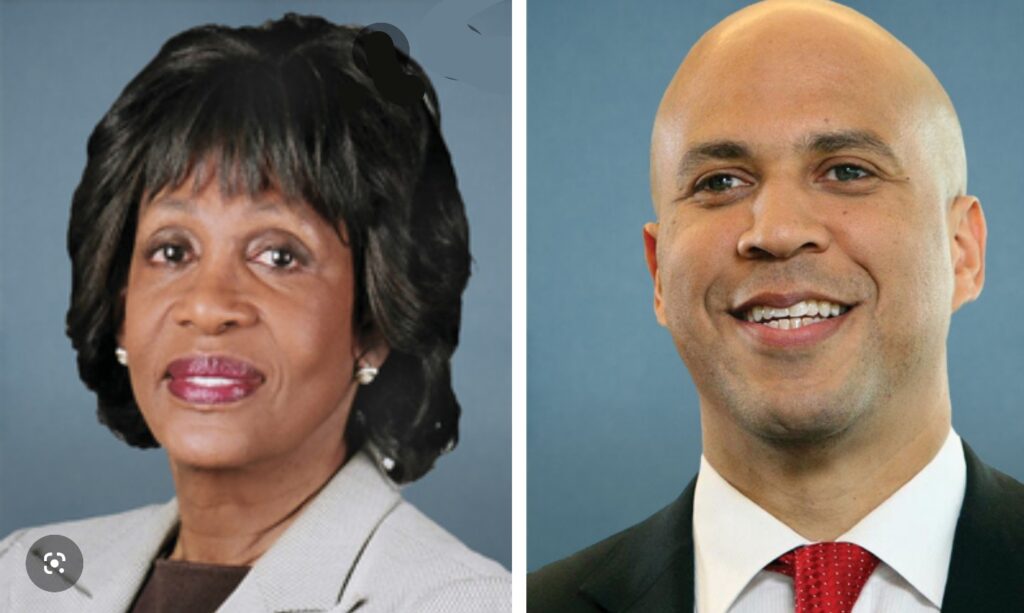
 The Fair Competition for Small Business Act seeks to close this enforcement gap by amending the Clayton Act to explicitly authorize state attorneys general to bring civil actions for monetary damages when violations of the Robinson-Patman Act occur. This change would place Robinson-Patman enforcement on similar footing with other federal antitrust laws, giving states the ability not only to stop unlawful practices but also to recover damages on behalf of affected businesses.
 Public reaction reflected in local, national, and industry-focused social media discussions has highlighted several recurring themes. Small business owners and advocacy groups have shared firsthand accounts of struggling to compete with larger rivals due to unequal pricing and contractual terms. Community organizations have emphasized the connection between independent retailers and neighborhood stability, noting that store closures can exacerbate food access challenges and economic decline, particularly in underserved areas. At the same time, policy analysts and legal commentators have pointed to recent regulatory actions and court filings as signs of renewed attention to antitrust enforcement more broadly, framing the legislation as part of a larger shift in competition policy.
 marketplace. They argue that meaningful competition depends not only on innovation and efficiency but also on rules that prevent dominant firms from using their size to exclude smaller rivals. By equipping state enforcers with stronger tools, the Fair Competition for Small Business Act aims to rebalance competitive conditions without imposing new regulatory frameworks.
 1man1vote:

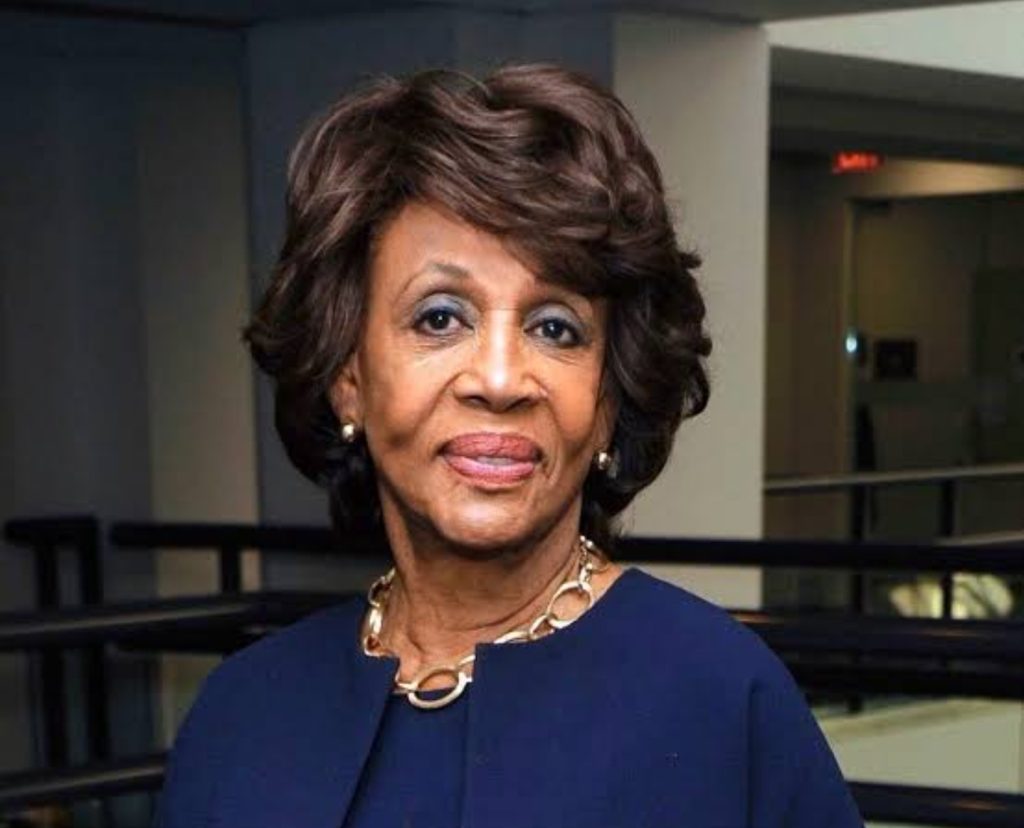
 Over the course of a packed two-day schedule, Congresswoman Maxine Waters engaged with thousands of residents across Los Angeles County’s 43rd District, participating in seven major community events centered on public health, small business development, food security, veterans’ support, LGBTQ+ history, and youth-focused service initiatives. Across social media platforms, attendees documented an active weekend marked by large turnouts, community partnerships, and—in several cases—high levels of volunteer engagement.
 than 1,000 participants. As Co-Chair of the Congressional Task Force on Alzheimer’s Disease, she addressed the crowd with an emphasis on federal investment and caregiver support. She noted her longstanding collaboration with national Alzheimer’s organizations and highlighted the substantial growth in federal research funding achieved over the past decade.
 Basement’s newest South Bay location and its accompanying SnowFest celebration. The event drew families, outdoor recreation groups, and local officials.
 of LGBTQ+ civil rights leader Morris Kight’s ashes atop the Chapel of the Gower Mausoleum. Kight, a pioneering activist whose influence shaped both Los Angeles and the national movement, was commemorated by advocates, historians, and community partners.
 From Jesse Owens Park, the Congresswoman moved to Hawthorne VFW Post 2075 to assist with its annual Thanksgiving dinner for veterans. Established in 1943, the post is one of the oldest in the South Bay and continues to serve as a center of support, connection, and service.
 different dimension of community need. Her schedule ranged from health advocacy to LGBTQ+ historical recognition, and from family assistance efforts to fitness-based community gatherings.
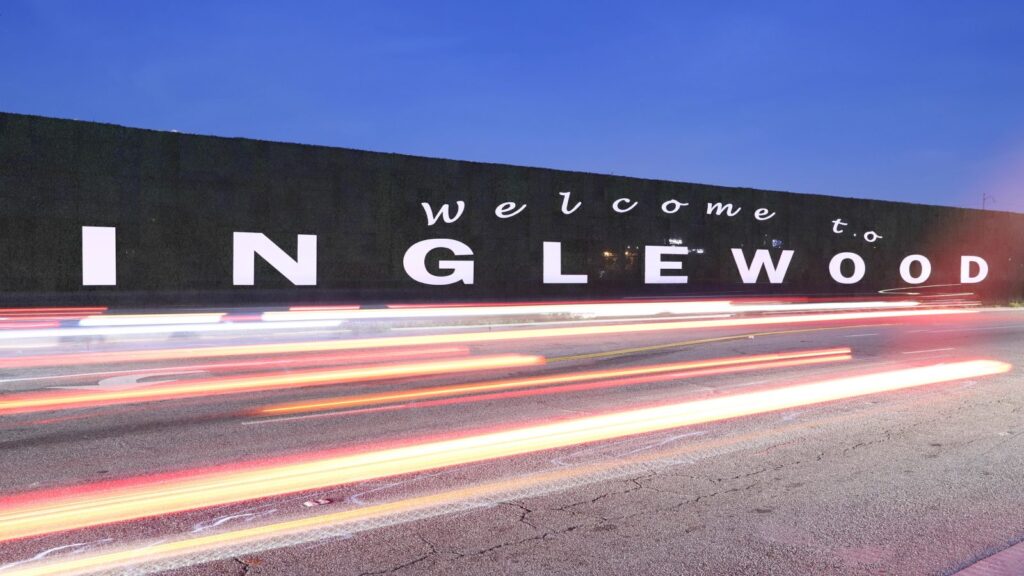
 The City of Inglewood is entering a new phase of waste management as Republic Services continues implementing organic recycling requirements mandated under California Senate Bill 1383. The statewide law, designed to reduce short-lived climate pollutants, directs all jurisdictions to remove organic materials from landfills to help decrease methane emissions. Methane produced from decomposing food and yard waste has long been recognized as a significant contributor to greenhouse gas levels, prompting California to adopt some of the nation’s most aggressive organics diversion goals.
 Inglewood residents, these materials now belong in the green organics cart, which was rolled out citywide
 SB 1383 also contains a major food recovery provision aimed at reducing statewide food insecurity. The law requires the recovery of a share of edible food that would otherwise be discarded and supports redistribution networks that serve residents in need. This element of the law has received positive attention online from organizations involved in food assistance programs, who see the mandate as a promising complement to environmental objectives.

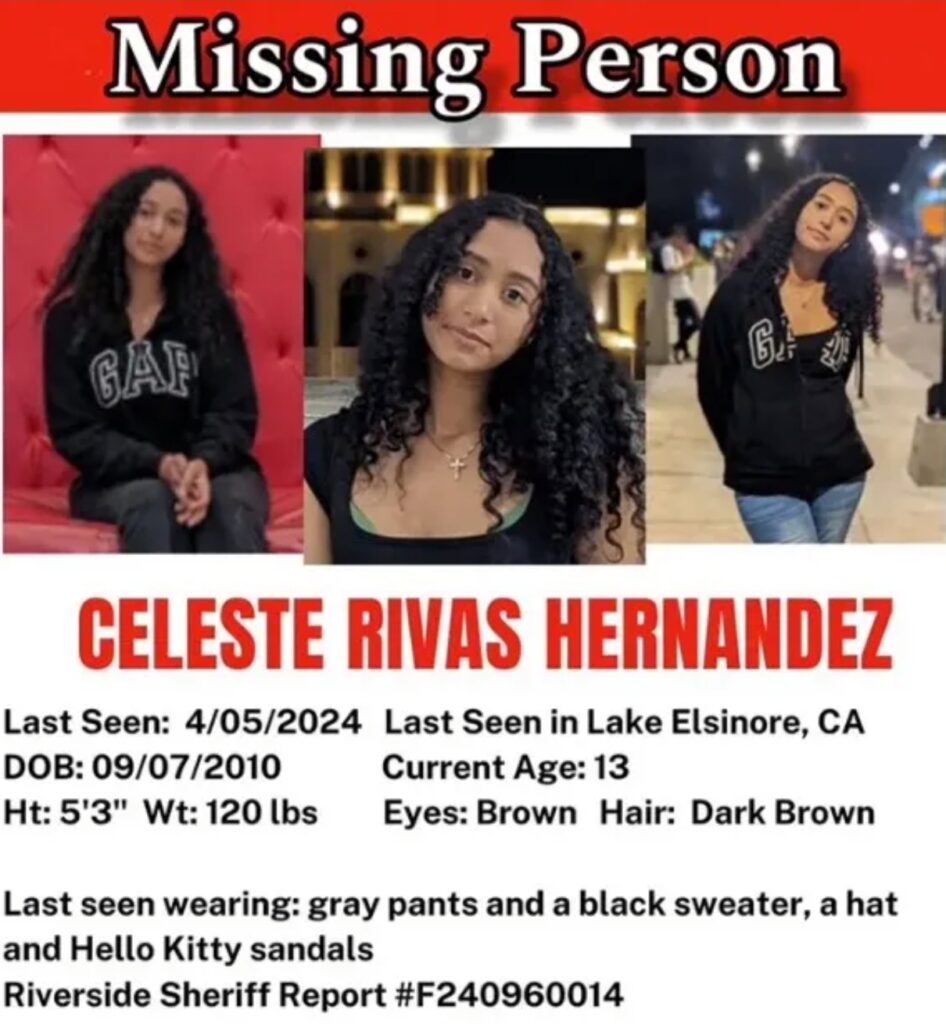
 had been reported missing in April 2024 from Lake Elsinore, California. The medical examiner described the remains as severely decomposed, and determined the death appeared to have occurred some time before the car was impounded. Authorities are investigating the case as a homicide, though no official charges have been announced.


 Waters’ statement pointed constituents to concrete, actionable resources in Los Angeles County and in the cities that fall within California’s 43rd Congressional District — including Inglewood, Hawthorne, Gardena, Lawndale, Compton and Torrance — where municipal and nonprofit networks are expanding emergency assistance while the federal picture remains unsettled. Her office listed phone and web contacts for food help and programs that serve seniors, families and young children.