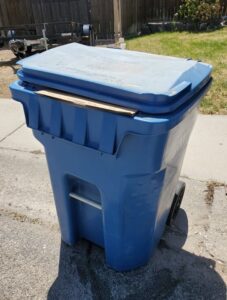
Litter bug alert! 

ALERT. Litter bug alert!

While California has not yet authorized standard, automated traffic cameras, to issue citations for litterbugs.

State-level vehicle code only allows automated traffic enforcement systems for specific violations like running red lights, speeding, or illegally using bus lanes.

​. However, there are two related surveillance rollouts causing recent buzz:

Garbage Truck Cameras:

Major waste management companies in California (like Recycling and Waste Management) have recently equipped their residential collection trucks with cameras to photograph and fine customers for overfilled trash bins.

​Localized Anti-Dumping Cameras: Cities like San Jose, Oakland, and Vallejo utilize localized, mobile surveillance cameras hidden at known hotspots to catch and prosecute major illegal dumping, rather than tracking casual littering on standard roads.

BUT Here’s a BOLO Alert.

Those discretionary Cameras on the sanitation trucks only look down into the hopper and at the bins to flag overfilled or contaminated dumpsters. They are managed by the waste disposal companies to assess fees, not by traffic enforcement to issue parking tickets on trash pickup days.

​. However, if a vehicle blocks a trash pickup zone, the driver can still be cited the traditional way if parking enforcement or a street sweeper with automated cameras passes by.

I’ve been known to participate in – let’s call it, the prediction markets, like Kalshi. I can’t help but wonder about the odds that some wise guy in the tech department might not cross connect the trash sweeper and the parking control folks and turn the trash sweepers into an A.I. snitch.

  • Ok. I’ll pause here. I’m headed into the twilight zone…


Hyundai: Warranty Promise vs. Customer Reality

The 2020 Hyundai Santa Fe: Warranty Promise vs. Customer Reality

The 2020 Hyundai Santa Fe was marketed with one of the most aggressive value propositions in the auto industry: a 10-year/100,000-mile powertrain warranty, positioned as a safeguard against exactly the kind of catastrophic engine issues that concern long-term owners. On paper, it is a compelling offer. In practice, a growing number of cases suggest that the pathway to actually using that warranty can be far more complicated.

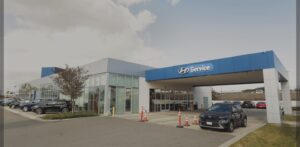
A Pattern of Deflection at the Dealership Level

Across multiple service encounters, a consistent pattern emerges: initial symptoms are minimized, redirected, or reclassified in ways that move responsibility away from Hyundai.

Customers report bringing vehicles in with check engine lights, oil consumption, or drivability issues—only to receive:
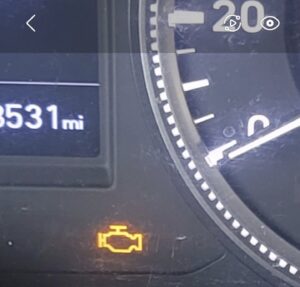
Temporary fixes, such as clearing diagnostic codes

Secondary explanations (like EVAP system issues) that do not address underlying engine performance

Diagnoses that attribute problems to “external damage,” which can immediately disqualify warranty coverage

In many instances, the first diagnosis becomes the most important—not because it is correct, but because it shapes how warranty claims are evaluated downstream.

The “Damage” Narrative and Warranty Denials

One of the more consequential trends involves labeling issues as impact-related or customer-caused damage. Once this classification is entered into the service record:

Third-party warranty providers often deny claims outright

Hyundai’s own warranty coverage may be sidestepped

The financial burden shifts to the customer

Independent inspections in some cases have contradicted dealership claims of damage, raising concerns about whether these determinations are always technically sound—or strategically convenient.

Engine Concerns: The Issue Beneath the Surface

Beyond isolated components, the more serious concern centers on engine reliability in certain Hyundai and Kia models from this era.

Reported symptoms include:

Excessive oil consumption

Engine knocking or ticking

Stalling at idle or in traffic

Sudden loss of power or complete shutdown

These issues have been widely discussed in both mechanic circles and owner communities, often tied to internal engine wear involving bearings and other core components. Hyundai has acknowledged some of these risks through recalls and extended warranties, but accessing those remedies typically requires specific diagnostic confirmation—which not all dealerships appear eager to establish early.

Delayed Recognition, Escalated Damage

A critical failure point in many cases is timing. When early warning signs appear:

Vehicles are often returned to service without deep mechanical inspection

Drivers continue operating cars with unresolved internal issues

Minor symptoms evolve into major engine failure

By the time the problem becomes undeniable—stalling in traffic, failure to restart, or severe knocking—the damage may be extensive. At that stage, customers often face a new hurdle: proving that the failure qualifies under warranty terms.

Structural Tension: Warranty vs. Business Incentives

There is also a structural dynamic at play. Dealerships operate within a system where:

Warranty repairs are reimbursed at controlled rates

Customer-paid repairs are more profitable

This creates a subtle but important incentive: classifying a repair as non-warranty can be financially advantageous. While not universal, this tension appears frequently enough in customer accounts to raise legitimate concern about consistency and objectivity in diagnostics.
Recall Awareness Without Resolution

Hyundai has issued recalls and software updates tied to engine monitoring systems, such as knock detection. However, owners often report that:

Recall visits focus narrowly on the required update

Broader engine complaints are not addressed unless failure thresholds are met

Preventative intervention is limited

This approach can leave customers in a reactive cycle—waiting for failure rather than preventing it.

The Customer Experience: Friction and Financial Exposure

For many Santa Fe owners, the result is a frustrating loop:

Repeated service visits with inconsistent conclusions

Out-of-pocket expenses for disputed repairs

Difficulty getting independent mechanics involved

Escalation attempts through consumer channels with limited resolution

Even with warranty coverage theoretically in place, customers may find themselves paying thousands of dollars while driving vehicles that remain mechanically unstable.

Conclusion: A Warranty That Requires Navigation

The 2020 Hyundai Santa Fe is not defined solely by its engineering or its features, but increasingly by the experience owners have when something goes wrong.

The central issue is not whether Hyundai offers strong warranty coverage—it does. The issue is how that coverage is applied, interpreted, and accessed in real-world situations.

For many customers, the challenge is not just mechanical failure. It is navigating a system where:

Diagnoses can shift

Responsibility can be reassigned

And the burden of proof often falls on the owner

In that environment, the promise of long-term protection becomes less about coverage—and more about persistence.


As a member of the Hyundai owner losers club, I can only offer a cautionary tale. I foolishly ignored the fact that my service technician never looked me in the eye when he was lying to my face. Because I have been a consistent cash cow, replacing tires and brakes on their say so. He misdirected my vehicle’s problem to a damaged canister. (whatever that is) But when a retired relative sent me to another certified mechanic, I discovered that the canister was not defective and not the cause of my problem. I have the part stashed away.

     But where does one go from here?  The internet has hinted at a class action lawsuit already underway, but I was hoping to just have my car repaired.  The BBB has already failed to resolve the matter through arbitration, and a Lemon Law Lawyer is standing by waiting for discussions with the Office of the Attorney General, who might be looking to make a stink as we approach the election.

My car sat in the repair shop as I was forced to retreat into a rental car for a week. The initial problem was a bad starter. I suggested that the starter failed because the engine kept stalling, which forced repeated restarts. Fortunately, the extended warranty covered that resolution.  There still remained the check engine light that had plagued the vehicle for over a year. The same codes were displayed, and the technician initially called it a failure due to a non OEM, aftermarket MAP SENSOR, but when an OEM part was installed, the system still failed. after a week of testing, and a $600 repair, the check engine light and several other lights appeared. The engine sputtered, failed and then would not start for an hour.

Now I am back in a rental car, and likely will require another flatbed tow.

On This Hill, We Shall Die

On This Hill, We Shall Die.

“He” moves forward with his “MY WAY OR THE HIGHWAY, AMERICA” threat. In the middle of a war, he threatens to do nothing for the next nine months, forcing the Constitution to bend to his will, changing voting laws in the middle of the stream, ahead of existing law, hoping to end the established practice of mail-in voting, amidst any other changes that he can institute as a means of complicating the upcoming midterm elections. That “he is certain”, will spell the end of his reign of terror.

Then, “nothing we shall do”. But, wait him out.

VAN (Vote America Now)

👇

Full Text from: The Hill


Mounting Hyundai Scrutiny

BY Charles Jackson

Mounting Scrutiny Over Oil Consumption in Hyundai and Kia Vehicles as Owner Complaints Persist

Hyundai and Kia continue to face regulatory scrutiny, class-action litigation, and consumer complaints tied to excessive oil consumption in a range of gasoline direct injection (GDI) engines produced primarily between 2011 and 2021. The issue—frequently traced to carbon-stuck piston oil rings—has been widely documented in legal filings, federal safety investigations, service bulletins, and social media forums.

Engines and Models Under Review

The most commonly cited engines include the Theta II (2.0L and 2.4L), Nu (2.0L), and Gamma (1.6L) GDI platforms. Affected models span much of both automakers’ lineups, including the Hyundai Sonata, Santa Fe, and Tucson, as well as the Kia Optima, Sorento, Soul, and Sportage.

When piston rings fail to properly scrape oil from the cylinder walls, oil enters the combustion chamber and burns. Owners report symptoms including frequent low-oil warnings, engine knocking, stalling, loss of power, excessive exhaust smoke, and in some cases, vehicle fires. Manufacturer service bulletins typically define “excessive consumption” as more than one quart of oil per 1,000 miles—a threshold that can trigger diagnostic procedures or engine replacement under certain warranty programs.

Recalls and Legal Settlements

In 2025, Kia recalled more than 137,000 2021–2023 Seltos and Soul vehicles due to defective piston oil rings that could increase oil consumption and pose a fire risk. The recall followed years of engine-related campaigns and settlements involving earlier GDI engines.

In 2024, a major settlement expanded coverage to approximately 2.1 million additional vehicles equipped with the 1.6L Gamma GDI engine. Under the agreement, qualifying owners received an extended powertrain warranty of 15 years or 150,000 miles, covering inspections and repairs related to connecting rod bearing failure—a condition that can follow prolonged oil starvation.

To qualify for this extended coverage, owners must complete a free Knock Sensor Detection System (KSDS) software update at an authorized dealership. The KSDS is designed to detect early signs of bearing wear and protect the engine from catastrophic failure. Failure to obtain the update can void eligibility for certain warranty claims.

Owners are typically required to undergo a formal oil consumption test and maintain documented oil change records. Missing oil changes for extended intervals—often defined as 15,000 miles or one year—may disqualify claims under manufacturer policy.

Owner Experience Raises Additional Concerns

Beyond the broader litigation landscape, some owners report additional challenges at the dealership level.

In one case, a lessee attempted to return a Hyundai vehicle at the end of a three-year lease at South Bay Hyundai in Torrance after the originating dealership closed. Despite being within the mileage terms, the dealer allegedly refused to accept the return without a $1,000 payment. The lessee ultimately purchased the vehicle.

In 2024, the vehicle’s check engine light illuminated. South Bay Hyundai reportedly cleared the diagnostic code without performing substantive repairs. Weeks later, the issue returned. A second dealership, Hyundai of Carson, also cleared the light. On a subsequent visit, a service advisor attributed the problem to a “damaged canister,” quoting approximately $1,500 for replacement. The owner, who had an active warranty, reports that the warranty company denied the claim because the dealer characterized the part as physically damaged rather than defective.

The owner then sought independent repair. The canister was replaced, and the removed component reportedly showed no physical damage beyond normal wear. However, replacing the part did not resolve the underlying issue. The check engine light returned, and the vehicle began exhibiting more severe symptoms: engine shutdowns, excessive oil burning, and fumes entering the cabin.

Broader Implications

Consumer complaints filed with federal regulators and posted across automotive forums frequently describe similar patterns: repeated check engine light resets, oil consumption monitoring procedures, and disputed warranty claims. Legal settlements have provided engine replacements and extended warranties for millions of vehicles, yet some owners continue to report difficulty obtaining definitive repairs.

As Hyundai and Kia implement recalls, software updates, and settlement remedies, affected drivers are advised to check their VIN on the manufacturer’s recall website, confirm completion of the KSDS update where applicable, document oil consumption carefully, and retain all maintenance records.

With millions of vehicles covered under extended warranty programs, the issue remains one of the most significant engine-related consumer controversies in the modern automotive sector.


New Rules Jan. 27

   Under California Vehicle Code sections 23123 and 23123.5 (often referred to as the “Hands-Free” or “No-Touch” laws), the price of a ticket is:

​First Offense: $162 minimum total (based on a $20 base fine plus mandatory court fees and assessments).

​Subsequent Offenses: $272 minimum total (based on a $50 base fine).

​Key Penalties & Rules

​License Points: A second violation within 36 months adds one point to your driving record, which can increase your insurance rates.

​No Touching: As of 2025, the law is strictly “no-touch.” You cannot hold or touch your phone for any reason—even at red lights—unless it is mounted and requires only a single swipe or tap to operate.

​Minors: Drivers under 18 are prohibited from using any electronic device, even in hands-free mode.


Community Engagement Weekend

Community Engagement Weekend: Congresswoman Maxine Waters’ Multi-Event Outreach Across the South Bay

Over the course of a packed two-day schedule, Congresswoman Maxine Waters engaged with thousands of residents across Los Angeles County’s 43rd District, participating in seven major community events centered on public health, small business development, food security, veterans’ support, LGBTQ+ history, and youth-focused service initiatives. Across social media platforms, attendees documented an active weekend marked by large turnouts, community partnerships, and—in several cases—high levels of volunteer engagement.

What follows is an event-by-event account of Congresswoman Waters’ activities, organized chronologically.

**Saturday, November 22

Walk to End Alzheimer’s – Los Angeles**

Congresswoman Waters began her weekend at the Los Angeles Walk to End Alzheimer’s, joining more than 1,000 participants. As Co-Chair of the Congressional Task Force on Alzheimer’s Disease, she addressed the crowd with an emphasis on federal investment and caregiver support. She noted her longstanding collaboration with national Alzheimer’s organizations and highlighted the substantial growth in federal research funding achieved over the past decade.

Social media posts from volunteers and participants throughout the morning emphasized the walk’s high turnout and the significance of having a senior federal representative present, especially one closely aligned with national Alzheimer’s policy efforts.

**Saturday, November 22

Sports Basement South Bay/Hawthorne Grand Opening & SnowFest**

Immediately after the walk, the Congresswoman traveled to Hawthorne for the grand opening of Sports Basement’s newest South Bay location and its accompanying SnowFest celebration. The event drew families, outdoor recreation groups, and local officials.

Congresswoman Waters’ remarks centered on the store’s investment in local hiring, recreational accessibility, and community partnerships. Online posts from attendees highlighted the festive atmosphere—particularly the outdoor activity demonstrations—and the novelty of the cooperative’s expansion into the region.

**Saturday, November 22

“Wobble Before You Gobble” Zumba Community Event, Gardena**

Later that morning, the Congresswoman joined the City of Gardena and the Inka Lions for a community Zumba event focused on fitness and seasonal giving. In addition to taking part in the physical activities, she assisted volunteers handing out canned goods to families.

Crowd-sourced media from participants showed a notably high level of resident engagement, including multigenerational families and youth groups. Commenters cited the event as an example of Gardena’s coordinated health-and-wellness outreach leading into the holiday season. In her remarks, Congresswoman Waters emphasized that shared moments of joy, exercise, and fellowship reinforce the resilience and unity of South Bay communities.

**Saturday, November 22

Morris Kight Memorial Ceremony – Hollywood Forever Cemetery**

In the afternoon, Congresswoman Waters participated in a memorial ceremony honoring the interment of LGBTQ+ civil rights leader Morris Kight’s ashes atop the Chapel of the Gower Mausoleum. Kight, a pioneering activist whose influence shaped both Los Angeles and the national movement, was commemorated by advocates, historians, and community partners.

Congresswoman Waters delivered reflections recognizing Kight’s lifelong pursuit of dignity and equity, underscoring the continuing relevance of his advocacy. Observers who shared the ceremony online noted the deeply respectful nature of the gathering and the broad representation of community organizations present.

**Sunday, November 23

Kinecta’s 52nd Annual Food Drive – Jesse Owens Park**

Congresswoman Waters began her second day at the longstanding Kinecta holiday food distribution, one of the region’s most enduring charitable traditions. Volunteers, nonprofit partners, and local families participated in the drive-up operation, which provided support to households facing economic strain.

In her remarks, Congresswoman Waters pointed to rising costs of living and recognized the role of local institutions in meeting essential needs. Posts circulating on social media showed long lines of vehicles and a robust volunteer corps operating an efficient distribution process. Many commenters highlighted the food drive’s decades-long reputation for reliability and community focus.

**Sunday, November 23

Hawthorne VFW Post 2075 – 52nd Annual Thanksgiving Dinner for Veterans**

From Jesse Owens Park, the Congresswoman moved to Hawthorne VFW Post 2075 to assist with its annual Thanksgiving dinner for veterans. Established in 1943, the post is one of the oldest in the South Bay and continues to serve as a center of support, connection, and service.

Congresswoman Waters helped prepare and serve meals and took time to greet veterans and their families individually. Attendees shared images online of the Congresswoman working alongside volunteers, with many expressing appreciation for the visibility of federal leadership at a local veterans’ event. In her remarks, she recognized the enduring sacrifices of military families and praised the post for its consistency in upholding traditions of honor and service.

**Sunday, November 23

Jr. Dixon Annual Gospel Musical Fundraiser & Toy Drive**

The Congresswoman concluded her weekend at the Jr. Dixon Annual Gospel Musical Fundraiser and Toy Drive at the Church of the Living God on Western Avenue. The event—now more than three and a half decades strong—combined musical performances with charitable giving for families facing hardship during the holiday season.

She honored Jr. Dixon’s long record of community service affirmed the importance of faith-based initiatives in expanding youth opportunities. Social media reports from attendees highlighted strong musical performances, a warm communal atmosphere, and generous toy donations filling collection areas throughout the event space.

A Weekend Defined by Presence, Partnership, and Public Service

Over two days, Congresswoman Waters participated in seven major public events—each reflecting a different dimension of community need. Her schedule ranged from health advocacy to LGBTQ+ historical recognition, and from family assistance efforts to fitness-based community gatherings.

Across social media, local observers consistently noted the breadth of her presence throughout the district. Many described the weekend as emblematic of her longstanding practice of remaining physically present and publicly accountable within CA-43, even while maintaining a demanding legislative role in Washington.

In closing remarks delivered at the final event of the weekend, Congresswoman Waters reflected that this work remains deeply meaningful to her. Framed in third-person narrative, she emphasized that whether she is advancing federal initiatives in Washington or assisting residents in neighborhood-level efforts at home, she remains committed to showing up, listening, and working directly alongside the people she serves.


One of the mantras that we often hear parroted up and down the right side of the political spectrum, focuses “on promises made – promises kept.” Once spewed, those words take on little meaning beyond the self-serving significance of a pretentious mandate. The words provide cover for the entire team. When questioned, they mention their constituents, but only to use them as the cover story that dwells beside their failed policies . Usually when they take or re-affirm their oath, they might mumble a promise to be the leader of all the people – even the ones that did not vote for them. But it is unlikely that those words are meant to include the idea of “service”.  

     Congresswoman Maxine Waters also took the oath and ever so often, when she is not away, fighting the war of words in DC, she is here in the south bay area of  Los Angeles’s 43rd district, meeting and greeting the constituents that she serves.  It is that idea of “service” that is so sorely lacking in the authoritarian push for enforced, single minded subordination, over and above the idea of community, brotherhood, and society that Congresswoman Waters fights to serve. 


Story: Charles Jackson

Organic Recycling Reset

A New Phase in Inglewood Waste Management as Organics Recycling Requirements Expand


The City of Inglewood is entering a new phase of waste management as Republic Services continues implementing organic recycling requirements mandated under California Senate Bill 1383. The statewide law, designed to reduce short-lived climate pollutants, directs all jurisdictions to remove organic materials from landfills to help decrease methane emissions. Methane produced from decomposing food and yard waste has long been recognized as a significant contributor to greenhouse gas levels, prompting California to adopt some of the nation’s most aggressive organics diversion goals.


Organic waste encompasses a broad array of everyday materials: fruit and vegetable scraps, meat and dairy remnants, grains, bones, eggshells, coffee grounds, tea leaves, food-soiled paper, and a full range of yard trimmings. For Inglewood residents, these materials now belong in the green organics cart, which was rolled out citywide beginning in 2022. While many residents were accustomed to placing only lawn debris in green bins, the new program requires adding household food waste and eligible paper to the same container. Republic Services has emphasized that proper separation is essential for efficient processing and compliance.
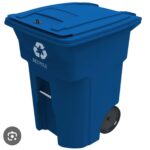
 

Under SB 1383, waste haulers and cities must conduct routine contamination monitoring. In practice, this means Republic Services staff periodically inspect carts to verify correct use and reduce mixing between recyclables, organics, and landfill trash. These inspections have been observed throughout Inglewood neighborhoods and, according to user-generated reports across various social media platforms, have generally been met with a mix of curiosity and adjustment as residents acclimate to the expanded rules.


The processing cycle itself is designed to support a broader circular economy. After green cart materials are collected, trucks transport the waste to facilities where it is turned into compost. The resulting product becomes nutrient-rich fertilizer used by landscapers, golf courses, and private customers. Inglewood residents also benefit from an annual compost giveaway, which has become an opportunity for community engagement around the new recycling practices.


SB 1383 also contains a major food recovery provision aimed at reducing statewide food insecurity. The law requires the recovery of a share of edible food that would otherwise be discarded and supports redistribution networks that serve residents in need. This element of the law has received positive attention online from organizations involved in food assistance programs, who see the mandate as a promising complement to environmental objectives.


In addition to organics collection, Republic Services continues to operate the city’s recycling and trash programs with updated guidance. Accepted recyclable materials include plastics numbered one through seven, metal cans, glass containers, and a wide variety of paper products and cardboard. Trash carts remain reserved for non-recyclable, non-organic items such as polystyrene foam, broken dishware, plastic utensils, diapers, packing materials, pet waste, and other routine household refuse.


The city also provides several ancillary waste services. Residents may request unlimited bulk item pickups each year, and commercial customers may schedule larger removals for a fee. Household batteries are collected separately when placed bagged on top of recycling carts. Inglewood participates in the regional holiday tree recycling program, accepting undecorated trees beginning the first collection day after Christmas. For medication disposal, a designated drop-off is maintained at a local pharmacy, with additional permanent sites listed through federal resources.


As Inglewood residents continue adapting to the evolving regulatory environment, the city and Republic Services remain focused on education, annual tenant training requirements, and consistent program enforcement. The transition marks a significant shift in everyday waste habits, but one aligned with the state’s long-term climate strategy and community-level environmental stewardship.

Some of these changes may come as a surprise to many Inglewood residents. If so the general customer service line for Republic Services, which handles recycling and waste collection, is (800) 299-4898.

​Keep in mind that Republic Services is a large company, and some areas may have a local office with a different number, or a different number for specific services. The search results show this number is used for many California locations like Inglewood, Compton, and Whittier. If you need a more specific contact, you might want to visit the Republic Services “Contact Us” page and enter your address to find the number for your specific service area.


Stay Tuned

The Fight For Food

Congresswoman Maxine Waters, on Friday sharply condemned the federal government’s handling of food-assistance payments as part of the ongoing funding standoff, and directed families in her district to local relief resources while the legal fight over SNAP continues.

 

Ms. Waters — the ranking member of the House Financial Services Committee — issued a statement in early November criticizing the administration’s move to withhold or limit November Supplemental Nutrition Assistance Program (SNAP) benefits during the partial government shutdown and urging residents to seek immediate help from community programs. Her office emphasized that people who rely on SNAP should also look to local food banks, school districts, and municipal services for emergency assistance. 


The dispute over November SNAP funding has been resolved only temporarily by the courts, leaving many households uncertain. The U.S. Supreme Court issued an emergency order earlier this month that briefly paused a lower-court mandate requiring full SNAP disbursements; the administration has continued to press the matter in the appeals courts. At the same time, appeals judges and lower courts have issued competing rulings and injunctions, meaning distribution practices have varied by state and some jurisdictions moved quickly to process full payments while others provided partial benefits or used state funds to fill gaps. These legal developments have affected roughly tens of millions of recipients nationwide. 


Waters’ statement pointed constituents to concrete, actionable resources in Los Angeles County and in the cities that fall within California’s 43rd Congressional District — including Inglewood, Hawthorne, Gardena, Lawndale, Compton and Torrance — where municipal and nonprofit networks are expanding emergency assistance while the federal picture remains unsettled. Her office listed phone and web contacts for food help and programs that serve seniors, families and young children. 
 

Practical options for Angelenos in need right now include dialing 2-1-1 (the county’s social-services directory) or visiting the Los Angeles Regional Food Bank’s online pantry finder to locate nearby partner agencies and pop-up distributions; the food bank’s locator lets users search by ZIP code for up-to-date pantry hours and contact details. City residents can also call 3-1-1 to learn about FamilySource Centers and weekly food distributions for qualifying low-income families. 

Families with infants or young children are reminded that WIC — the Special Supplemental Nutrition Program for Women, Infants, and Children — continues to operate separately from SNAP and may provide immediate nutrition support, breastfeeding assistance and referrals. California’s WIC program maintains a toll-free line (1-800-852-5770) and local WIC clinics where eligibility can be confirmed and enrollment expedited. 


Congresswoman Waters’ release and multiple community partners underscored a final, practical point: while courts and officials litigate funding questions, many relief systems remain active at the county and city level. Residents in need are advised to contact 2-1-1, the LA Regional Food Bank’s pantry finder, their school district or local FamilySource Center, and WIC if they qualify — and to call municipal aging or social-service lines for senior-specific referrals. Waters’ office also encouraged community members to share information about local distributions, so neighbors know where to find food now. 


UPDATE
Supreme Court Justice Ketanji Brown Jackson has given the Trump administration until 4 p.m. ET on Monday to submit an additional brief to support its request for a stay on a lower court’s ruling that it must pay the November Supplemental Nutrition Assistance Program (SNAP) benefits in full by using funds from other Child Nutrition Programs during the federal government shutdown.


Ms. Waters written Statement


Story: Charles Jackson

SNAP No More

Supreme Court Ruling Deepens SNAP  Uncertainty Amid Government Shutdown


As the federal government shutdown drags into its fifth week, the Supreme Court’s decision late Friday to temporarily block a lower court order requiring full Supplemental Nutrition Assistance Program (SNAP) payments has left millions of low-income Americans uncertain about where their next meal will come from. The ruling, issued by Justice Ketanji Brown Jackson, pauses full benefit disbursements while an appeals court considers the Trump administration’s request to limit payouts to available contingency funds.

 

The dispute centers on how far the administration can stretch limited federal reserves during the shutdown. Two district courts had ordered the government to use a $4.6 billion emergency fund — and other resources if necessary — to fully fund the roughly $9 billion monthly SNAP program. The administration pushed back, arguing that spending beyond that reserve would overstep executive authority and violate congressional power over appropriations. Solicitor General D. John Sauer warned that once states drew down federal funds, “there is no ready mechanism for the government to recover those funds.”


Despite the legal limbo, some states acted swiftly to protect residents from hunger. Governors in Oregon, Wisconsin, and Hawaii ordered their agencies to release full November benefits immediately after the lower court’s Thursday ruling. In Wisconsin, $104 million in aid reached more than 300,000 households within hours. Oregon’s governor praised overnight efforts by state employees to ensure families could shop for groceries by Friday morning. Similar actions occurred in California, New Jersey, and Washington state, while others like Colorado, New York, and Massachusetts said full payments could be distributed over the weekend.


But for many families, the relief has been inconsistent. Recipients in states waiting for federal guidance faced empty electronic benefit transfer (EBT) accounts, forcing them to line up at local food pantries. At an emergency food distribution in Philadelphia, volunteers with the Mitzvah Food Program reported surging demand on Friday. In Newark, New Jersey, college student and single mother Jasmen Youngbey said her balance showed “$0” as she waited in line for groceries. Later that day, she finally received her November SNAP benefits — a temporary reprieve amid ongoing confusion.


The stakes are high: SNAP, once known as the food stamp program, serves about one in eight Americans. The program’s beneficiaries include working families, seniors, and children — many of whom rely on consistent monthly support to make ends meet. For a family of four, full SNAP benefits can approach $1,000 per month, though most receive less based on income levels. A 35% reduction, as initially proposed by the administration, would have forced millions to skip meals or depend entirely on charity food banks already stretched thin.


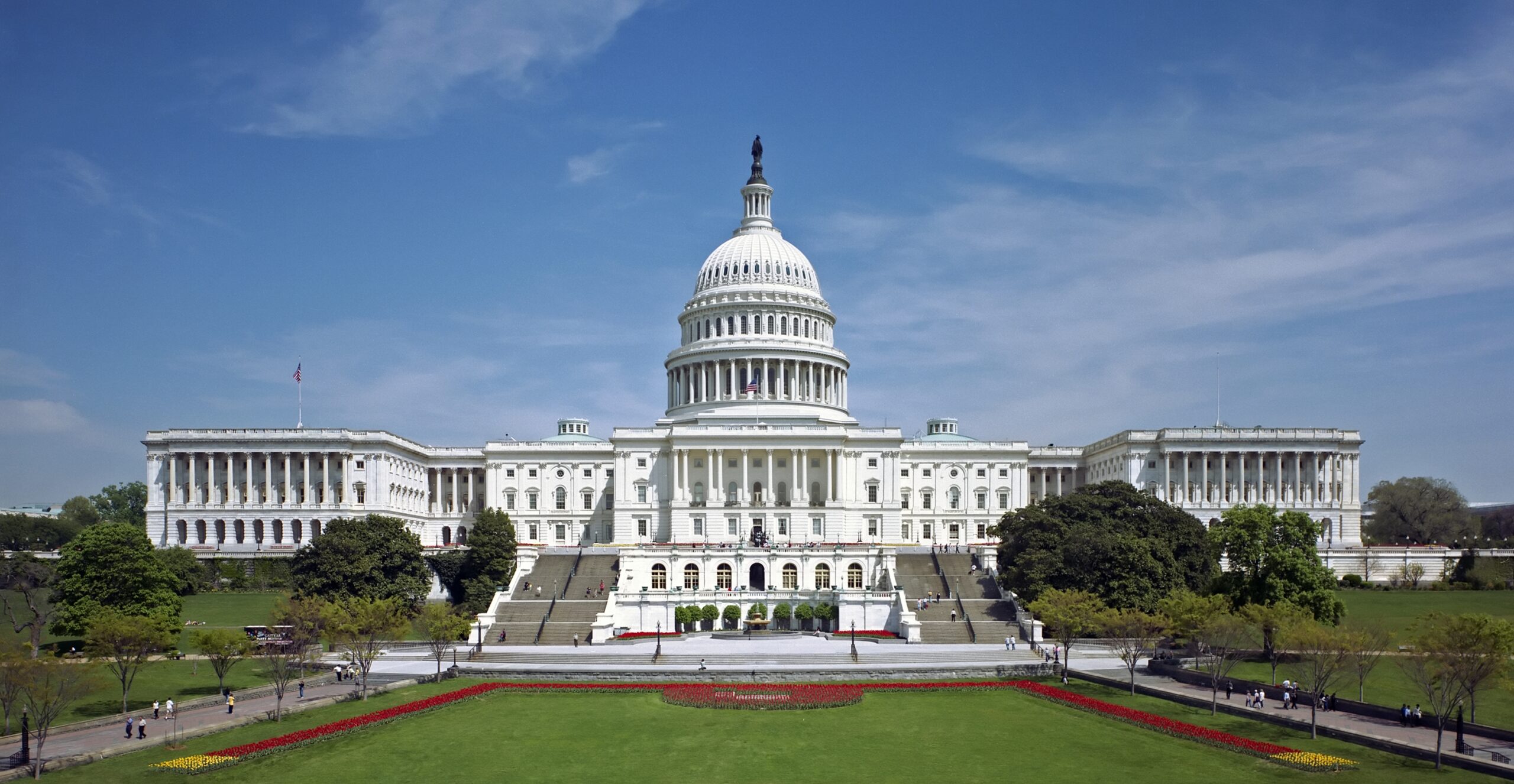
The administration maintains that it cannot legally expand spending without congressional authorization. However, critics argue that the government’s reluctance to use discretionary reserves reflects misplaced priorities. The website 1man1vote.com reported that the construction of a privately funded “White House Ballroom” has continued uninterrupted during the shutdown — an image of opulence that drew criticism as families nationwide faced food insecurity. Lawmakers from both parties questioned the optics of luxury renovations proceeding while essential nutrition programs teetered on the edge.
 

Meanwhile, several states, including Delaware, took independent action to cushion the blow. Delaware Governor Matt Meyer announced the use of state funds to provide emergency food aid, describing it as a stopgap while Washington sorts out the legal battle. Other states, like North Carolina and Louisiana, opted for partial payments while preparing to distribute the remainder if courts reaffirm full funding.


The broader crisis highlights how dependent modern food security has become on the stability of federal governance. As the appeals court weighs its next move, Justice Jackson’s order will remain in effect for at least 48 hours after that ruling, giving the administration an opening to return to the Supreme Court. Until then, SNAP households exist in a holding pattern — their access to food determined not by need, but by the pace of legal procedure and political impasse.


At a time when food inflation remains high and food pantries are overwhelmed, the delay in SNAP funding underscores the human toll of bureaucratic gridlock. Whether full payments resume or partial distributions continue, the episode has already exposed deep vulnerabilities in the nation’s safety net — and the lives that hang in the balance when politics disrupts the most basic necessity of all: food.


The MESSAGE to America

If you live within the boundaries of Los Angeles’ 43rd congressional district that encompasses a significant portion of the South Bay and South Los Angeles.

​Your district includes:

​The entire cities of Hawthorne, Inglewood, Lawndale, Gardena, and Lomita.

​Portions of the cities of Los Angeles (including LAX and the neighborhood of Watts) and Torrance.

​Census-designated places like Lennox, Del Aire, Alondra Park, West Athens, and Westmont.

In light of the longest and most destructive government shutdown in United States history, your United States Congressional representative, Maxine Waters addresses the nation with a message for you.

The Message 

Click Here

https://iqconnect.house.gov/iqextranet/view_newsletter.aspx?id=107266&c=CA43MW