
A Lifeline for South Los Angeles: Kaiser Permanente Invests in MLK Community Hospital
By Charles Jackson
In South Los Angeles, where access to timely medical care can mean the difference between recovery and tragedy, two respected health care institutions are joining forces to strengthen a hospital that has become indispensable to the community.
Kaiser Permanente announced Aug. 11 that it will provide a $25 million grant to Martin Luther King Jr. Community Hospital, along with the use of a modular medical building valued at $7 million. Together, the commitments represent an investment of up to $32 million in expanded emergency care for South Los Angeles.
The partnership is worth celebrating—not simply because of the dollar amount, but because it responds directly to a critical and growing need.
MLK Community Hospital opened in 2015 as a private, nonprofit, 131-bed acute-care facility. Its Hope Emergency Center was designed with as many as 29 treatment bays and an anticipated capacity of approximately 25,000 visits annually. Today, it handles about 125,000 visits a year—five times the number it was originally designed to accommodate.
That extraordinary demand has forced the hospital to triage and sometimes treat patients in temporary tents erected in its parking lot. Kaiser Permanente’s investment will help fund a permanent expansion of the emergency department while providing temporary modular treatment space so patients can continue receiving care during construction.
The numbers tell only part of the story.
As a technician, I have installed and serviced medical equipment at both MLK Community Hospital and Kaiser Permanente facilities. I have seen firsthand that a hospital is much more than a building with beds. It is a complicated, carefully coordinated network of medical professionals, technology, equipment and support systems—all of which must function properly when a patient arrives in distress.
A monitor, imaging system or other medical device may look like another piece of machinery to an outside observer. To a doctor, nurse or patient, however, that equipment can provide the information needed to make an urgent decision. Technology, physical capacity and skilled medical personnel must work together. When any part of that system is stretched too thin, the consequences can affect an entire community.
I am also a longtime Kaiser Permanente member. From that perspective, this partnership demonstrates an important understanding of what community health should mean. Kaiser is investing beyond the walls of its own hospitals and medical offices to reinforce another institution serving people with some of the greatest health care needs in Los Angeles County.
Approximately 80% of MLK Community Hospital’s patients are covered by Medi-Cal. Nearly 95% of its emergency department visits involve people insured through Medi-Cal or Medicare, or patients who have no insurance. The hospital also states that it serves everyone, regardless of immigration status or ability to pay.
Those figures help explain why MLK is more than a neighborhood hospital. It is an essential part of the region’s medical safety net.
Despite its financial and capacity pressures, MLK Community Hospital has maintained strong federal quality ratings. Its work is especially important in communities that continue to experience higher rates of chronic illness and preventable hospitalization, along with longstanding barriers involving transportation, housing, income and access to primary and specialty care.
“This gift—the largest in MLK’s history—strengthens our ability to offer care in the safe, dignified setting our community deserves,” MLK Community Healthcare CEO Dr. Elaine Batchlor said in announcing the partnership.
That emphasis on dignity is important. Patients should not have to receive emergency treatment in an overcrowded setting simply because of their ZIP code, income or insurance status. Families in South Los Angeles deserve the same safe, efficient and technologically capable health care environment available in more affluent communities.
Kaiser Permanente Chairman and CEO Greg A. Adams described the investment as more than an emergency department expansion. He said it is intended to strengthen the health care infrastructure Los Angeles families will depend upon for generations.
The partnership also offers a practical model for how major nonprofit health systems can support independent community hospitals. Instead of viewing institutions such as MLK only as facilities handling overflow or serving patients outside a particular membership system, Kaiser is recognizing that every strong hospital contributes to a healthier and more resilient region.
When one emergency department becomes overwhelmed, the effects do not remain inside that building. Ambulances may be redirected, waiting times may increase elsewhere, and patients may postpone treatment until their conditions become more serious. Expanding MLK’s capacity can therefore benefit South Los Angeles while easing pressure across the broader county health care network.
The $25 million grant will help build permanent capacity. The $7 million modular facility will help preserve access while that work is underway. One addresses the future; the other recognizes that people need care today.
For those of us who have worked inside these institutions, used their services or watched family members depend upon them, this investment carries special meaning. It represents confidence in MLK Community Hospital, respect for its medical professionals and a commitment to the people they serve.
The name Martin Luther King Jr. carries a continuing call for justice, equality and human dignity. By helping this hospital expand emergency care, Kaiser Permanente is supporting those principles in a direct and measurable way.
This is what an effective health care partnership should look like: one institution recognizing another’s essential role, responding to an urgent need and investing in a healthier future for the entire community.
 A couple of days ago two things happened. First, I got into an intense debate with a young man, concerning A.I., SIRI, GALAXY, CLAUDE, CHATGTP, GEMINI, GROK, etc. I flexed on him and accused him of having inferior knowledge on the subject because I have worked in the technology field since the 1980s, and then I fell back on his lack of experience because I have twelve years of age on him.
  What began as a supposedly nonpartisan national celebration appears to have taken a sharp detour into campaign-country.
 This might be worse than I thought. Not only is AI going to take all of our jobs but AI is also going to waste all of our time.
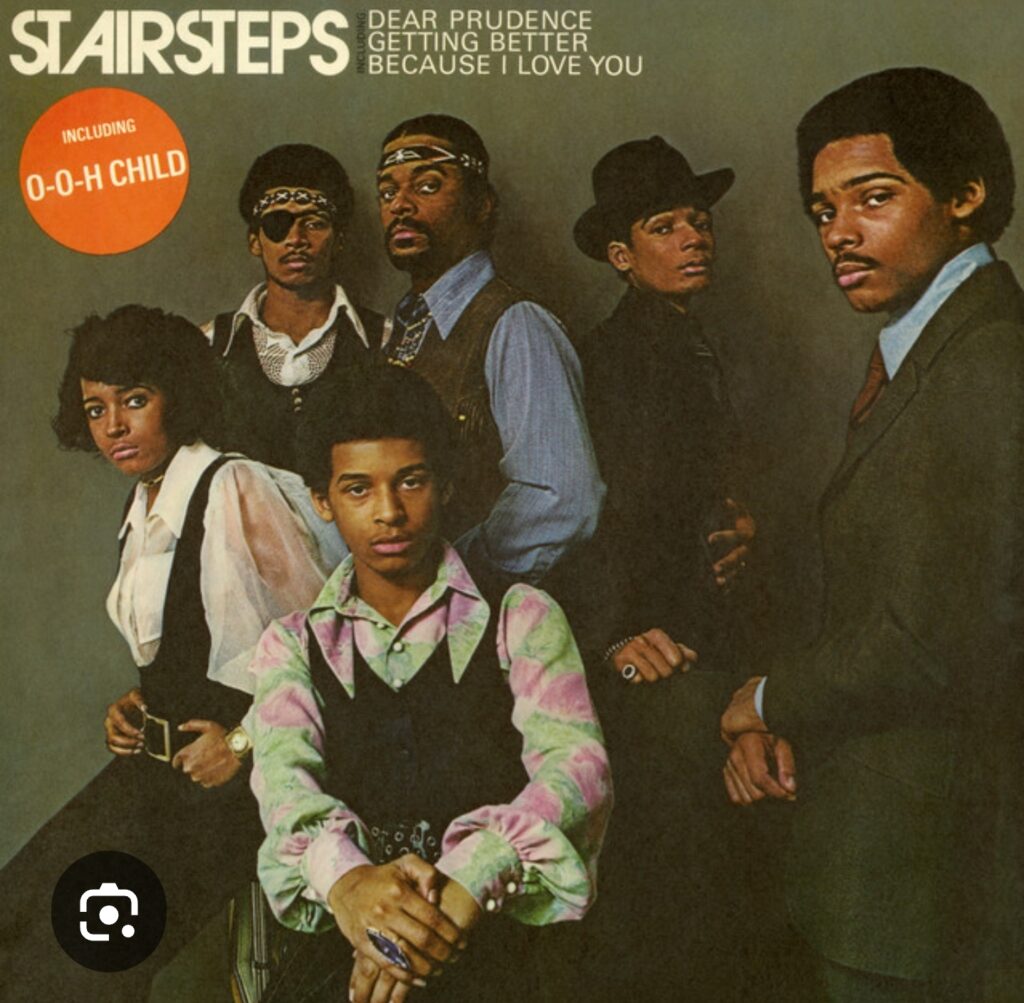
 For decades, the record business treated artificial intelligence the way Dracula treated daylight: avoid at all costs, issue dramatic legal threats, and send expensive lawyers carrying sharpened cease-and-desist letters. Now? The vampires appear to be installing Wi-Fi in the castle.
 studio microphone for it. And honestly, maybe they had no choice.
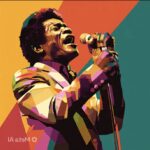 Will listeners care whether a song is sung by a human being anymore?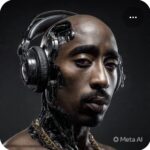

 The latest backlash emerged after Minaj appeared at a Turning Point USA event alongside conservative commentator Erika Kirk. According to reporting by the Latin Times, the appearance prompted online users to revisit a 2018 Instagram post in which Minaj described arriving in the United States as a child without legal immigration status. The resurfaced post, originally shared amid public outrage over family separations at the U.S.–Mexico border, expressed empathy for migrant children affected by enforcement policies.
 “please stop this,” according to excerpts cited by the Daily Mail. The post circulated widely during a period when images of migrant children held in detention facilities dominated news coverage.
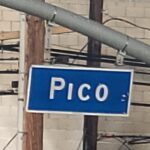 On a recent day at the busy corner of Pico Boulevard and La Brea Avenue in Los Angeles, a spontaneous yet carefully organized community gathering unfolded that reflected the evolving food, art, and cultural landscape of Mid-City. At 4972 W. Pico Blvd., a well-known Black-owned New York–style pizzeria became the setting for a pop-up collaboration that drew neighbors, creatives, and longtime supporters into a shared public moment centered on food, local enterprise, and cultural expression.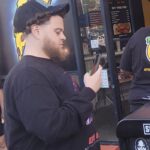
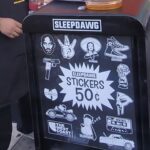 The location itself is already a recognized neighborhood fixture. Founded by Harlem native Esteban Gutierrez, the pizzeria has built its reputation on authentic New York–style pizza, emphasizing thin, crispy crusts and generously sized slices. Gutierrez brings more than 20 years of experience rooted in his father’s New York pizzeria, and that lineage is central to the shop’s appeal. For many patrons—particularly former East Coast residents—the taste and presentation closely match what they remember from New York City. This consistency has helped the business earn a loyal following in Mid-City Los Angeles.
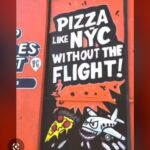 Nutella knots, which are frequently cited by customers as a standout item. Vegan options are a notable part of the menu, with clearly labeled plant-based slices such as vegan Margherita, Veggie, and Pesto Cheese. These pizzas use vegan cheese sourced from local providers like Vromage, reinforcing the business’s emphasis on local partnerships and inclusive dining options.
 In 2025, the business continues to operate as a Black-, Latino-, and woman-owned enterprise, with Gutierrez partnered with entrepreneur Aryn Drake-Lee. The shop is open daily from 11:00 a.m. to 11:00 p.m. and offers dine-in, takeout, and catering services. Popular menu items include Margherita and pepperoni slices, typically priced around six dollars, as well as specialty offerings like white clam pizza finished with fresh lemon. Orders can be placed in person or through online platforms such as Slice and the shop’s official website.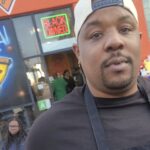

 had been reported missing in April 2024 from Lake Elsinore, California. The medical examiner described the remains as severely decomposed, and determined the death appeared to have occurred some time before the car was impounded. Authorities are investigating the case as a homicide, though no official charges have been announced.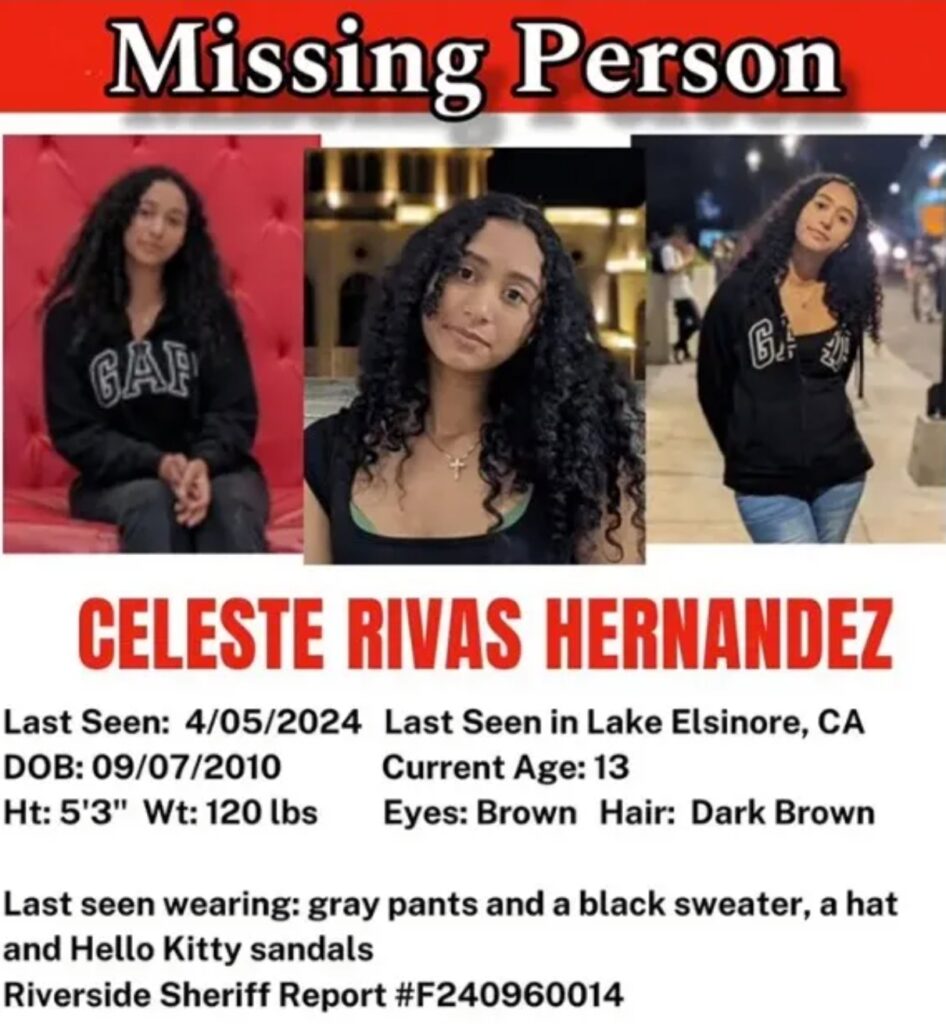



 During a recent meeting of the Carson City Council in the City of Carson, California, a heated discussion emerged around the city’s paratransit service program — specifically the contract for its “Dial-A-Ride” service for seniors and disabled residents. The focal point: the proposed shift in contract from the longtime local provider Yellow Cab of Los Angeles (and its affiliate) to the ride-hailing giant Uber. From the remarks of Councilman Jawane Hilton of
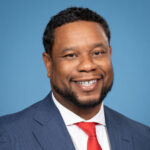 District 1, who anchored much of the discussion, the decision appears to have been shaped by resident testimony, service-quality concerns, and the unique transportation needs of seniors and disabled individuals.
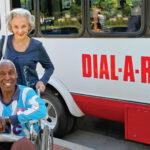 Uber currently lacks handicap-accessible vehicles and has a record of service complaints — risked undermining those relationships.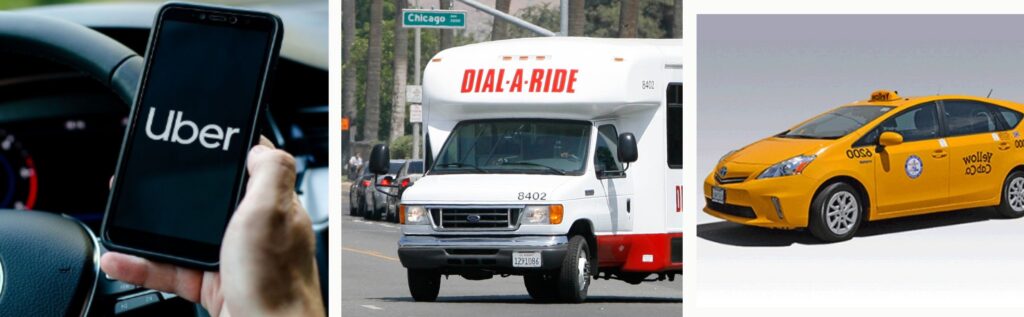
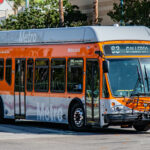 avoid editorialising and conflating personal perspectives into a piece, however I put myself through college, driving a yellow cab, and spent considerable time behind the wheel of a Super Shuttle, or Uber and recently retired as a Metro driver. I was often in the seat, servicing Carson residents on the 246 line down Avalon.