While California has not yet authorized standard, automated traffic cameras, to issue citations for litterbugs.
State-level vehicle code only allows automated traffic enforcement systems for specific violations like running red lights, speeding, or illegally using bus lanes.
. However, there are two related surveillance rollouts causing recent buzz:
Garbage Truck Cameras:
Major waste management companies in California (like Recycling and Waste Management) have recently equipped their residential collection trucks with cameras to photograph and fine customers for overfilled trash bins.
Localized Anti-Dumping Cameras: Cities like San Jose, Oakland, and Vallejo utilize localized, mobile surveillance cameras hidden at known hotspots to catch and prosecute major illegal dumping, rather than tracking casual littering on standard roads.
BUT Here’s a BOLO Alert.
Those discretionary Cameras on the sanitation trucks only look down into the hopper and at the bins to flag overfilled or contaminated dumpsters. They are managed by the waste disposal companies to assess fees, not by traffic enforcement to issue parking tickets on trash pickup days.
. However, if a vehicle blocks a trash pickup zone, the driver can still be cited the traditional way if parking enforcement or a street sweeper with automated cameras passes by.
I’ve been known to participate in – let’s call it, the prediction markets, like Kalshi. I can’t help but wonder about the odds that some wise guy in the tech department might not cross connect the trash sweeper and the parking control folks and turn the trash sweepers into an A.I. snitch.
Ok. I’ll pause here. I’m headed into the twilight zone…
Access, Engagement, and the Modern Town Hall:A Reflection on Congresswoman Maxine Waters’ Forum. This is how we roll.
On April 2, 2026.
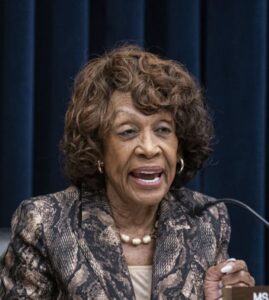
Congresswoman Maxine Waters hosted a telephone town hall for residents of California’s 43rd Congressional District. The event followed a familiar and increasingly important format in modern civic life: structured, accessible, and designed to reach a broad audience across a large and diverse community.

For many constituents, especially those who may not attend in-person events, this format offers something valuable—a practical entry point into civic participation. And that is worth recognizing at the outset.
A Gateway to Participation
Telephone town halls are not meant to replicate the intensity or spontaneity of live, in-person gatherings. Instead, they serve a different purpose: scale and accessibility.
In a district as expansive and complex as the 43rd—encompassing Inglewood, South Los Angeles, and surrounding areas—bringing thousands of voices into even a shared listening space is no small achievement. The ability to dial in, hear directly from a sitting member of Congress, and potentially ask a question lowers the barrier to engagement.
For many residents, especially seniors or those balancing work and family responsibilities, this may be the most realistic way to connect with their representative.
Structure as Stability
The April 2 event was carefully moderated, with a facilitator guiding the flow of the conversation. Callers were introduced, questions were time-limited, and transitions were smooth. While this structure can feel formal, it also ensures that the event remains focused and respectful of participants’ time.
Roughly 15 to 20 constituents were able to speak—sharing concerns about housing affordability, economic opportunity, healthcare access, and public safety. These are not new issues in the district, but they remain urgent, and the town hall provided a platform for them to be voiced directly.

Importantly, the tone of the event appeared measured and constructive. Participants were able to express concerns without the disruptions that sometimes characterize large public meetings. In that sense, the format created a safe and orderly environment for dialogue, even if it was necessarily brief.
Waters’ Approach: Detailed and Direct
Congresswoman Waters brought her characteristic command of policy to the discussion. Her responses reflected decades of legislative experience, particularly in areas tied to economic justice, financial systems, and community development.
She addressed questions with specificity—referencing federal programs, ongoing initiatives, and the broader legislative landscape. For constituents seeking clarity on what is being done at the federal level, this level of detail matters.
At the same time, she encouraged continued civic engagement. Her messaging emphasized that participation does not end with a phone call—it extends into voting, organizing, and staying informed. References to broader civic themes, including calls for vigilance and public involvement, underscored her long-standing belief in active citizenship.
The Sanctuary City Context
The 43rd District operates within the broader framework of Los Angeles County, a region often described as aligned with sanctuary policies. This context shapes many of the conversations around public safety, immigration, and community trust.
In a telephone town hall setting, these issues tend to be approached in a measured way. The format naturally encourages concise questions and equally concise responses, which can make it difficult to fully explore complex or sensitive topics.
However, the value of the forum lies in introducing these issues to a wide audience. Even brief exchanges can raise awareness, clarify positions, and encourage further discussion beyond the call itself.
Rather than serving as the final word on such matters, the town hall functions as a starting point—a place where concerns are surfaced and where constituents can begin to engage more deeply in the issues that affect their communities.
Complementing, Not Replacing, In-Person Dialogue
It is important to view telephone town halls as one piece of a larger civic ecosystem. They are not designed to replace in-person meetings, where longer exchanges, follow-up questions, and more dynamic interaction can take place.
It should be noted that I, as the writer of this article, have attended several of Congresswoman Waters’ live town halls, and that perspective is important. Those settings often allow for a different kind of energy—sometimes more assertive, sometimes more interactive, but always more immediate.
The telephone format, by contrast, offers reach over depth. And in a district of this size, both are necessary.
A Broader Tradition of Engagement
There is also value in remembering that civic participation takes many forms. The legacy of Martin Luther King Jr. reminds us that engagement can be quiet as well as vocal—structured as well as spontaneous.
Nonviolent protest, silent marches, and sit-ins were not just acts of resistance; they were also acts of presence. They created space for voices to be seen and felt, even without extended dialogue.

In a different way, telephone town halls also create space—less visible, perhaps, but still meaningful. They allow people to listen, reflect, and begin to form their own responses.
Finding the Balance
The April 2 town hall illustrates a balance that many public officials are still working to refine:
Accessibility vs. depth
Structure vs. spontaneity
Efficiency vs. extended dialogue
No single format can fully satisfy all of these needs. But when used thoughtfully, each can contribute to a more engaged and informed public.
In this case, the event appears to have succeeded in its core objective: connecting a large number of constituents with their representative in a way that was organized, informative, and approachable.
Conclusion: A Useful Starting Point
Telephone town halls may not capture the full energy of in-person civic life, but they serve an important role. They open the door to participation, especially for those who might otherwise remain on the sidelines.
Congresswoman Maxine Waters’ April 2 forum fits squarely within that purpose. It provided information, invited questions, and encouraged continued engagement—without requiring constituents to leave their homes.
And perhaps that is the most practical way to view it:
Not as the final destination for civic dialogue, but as a welcoming front porch—a place where people can gather, listen, and take the first step toward deeper involvement.
From there, the conversation can—and should—continue.
As a teenager, growing up in, southwestern Ohio, during the late 1960s, civic engagement often turned necessarily or perhaps unnecessarily ugly. We were there, because we were there. Now, we are here, because we are here, again.
The very Reverend Jesse Jackson, presidential candidate and civil rights leader, was not only my close friend and confidant, he was my longtime political ally and mentor. Rev. Jesse Jacskson was my idol and spiritual and political leader. He was a brilliant, gifted and courageous civil rights leader who inspired millions. He registered millions to vote and challenged and changed Democratic Party politics.
Rev. Jackson was one of the youngest followers and supporters of the Rev. Dr. Martin Luther King, Jr. and spent his life continuing to protect and save the gains that were made during the civil rights movement. I became a dedicated and committed follower of Jesse Jackson. I worked with Rev. Jackson in both the 1984 and 1988 presidential campaigns. I was a top advisor on the national campaign and was appointed by Rev. Jackson to Chair and lead the California campaign.
I was a closeup witness to Rev. Jackson’s brilliant campaign strategies and developments. He used his voice and his organizing skills to create the beautiful Rainbow Coalition. Long before there was any understanding or appreciation for diversity, equity, and inclusion, for all intents and purposes, Rev. Jackson created diversity, equity, and inclusion in his campaign. His campaign included Blacks, Latinos, Asians, Native Americans, Whites, women, LGBTQ, organized labor and others. He brought together pastors, preachers, and multi-faith leaders from all over the country. I recall his work and his outreach to small farmers in rural areas and to Native Americans on reservations.
He was responsible for cracking open the doors of America’s corporate community and those in Silicon Valley. Rev. Jackson was also an international ambassador for peace. He used his tremendous influence to champion human rights. I worked with him in the Free South Africa movement where we helped free Nelson Mandela and bring an end to apartheid in South Africa. We had a wonderful experience of attending the inauguration when Nelson Mandela became president of South Africa. And of course, Rev. Jackson helped to secure the release of U.S. hostages around the world, but the one that stands out to me is when he went to Syria and negotiated the release of U.S. Navy Lt. Robert. Goodman Jr.
Rev. Jackson has more than earned his place in history and rightfully so. His work will never be forgotten and will be taught in communities all over the world, in places low and high, in our schools and universities. I will live the rest of my life with the memories I cherish for the time, the effort, and the phenomenal work that I experienced with The Reverend Jesse Jackson, presidential candidate and civil rights leader.
###
I had to jump in for a second with my own message…
Back in 2010, in the aftermath of the Bush administration, I was losing my home. I received an invitation to attend an assistance program hosted by “NACA” (National Assistance Corporation of America) Although I was there seeking assistance, I was also there in my role as a news hound for Inglewood Today. News. At that gathering, Ms. Waters happened to be there. She incidentally introduced me to the Reverend Jesse Jackson. We shared a quick laugh when he quipped that “We may have started on the same plantation.”
That’s the end of my segment of the story – I did manage to receive a loan modification due to that event, and we are still in the home.
Congresswoman Maxine Waters Introduces Resolution Honoring National Black HIV/AIDS Awareness Day
Congresswoman Maxine Waters (D-CA), Ranking Member of the House Financial Services Committee, has introduced a House resolution recognizing National Black HIV/AIDS Awareness Day, observed annually on February 7. The resolution, H.Res. 1039, underscores the continued disproportionate impact of HIV/AIDS on Black Americans and calls for renewed national commitment to prevention, testing, treatment, and the elimination of health disparities.
National Black HIV/AIDS Awareness Day was established to focus attention on the toll HIV/AIDS has taken on African American communities and to promote education, early diagnosis, and access to care. According to the data cited in the resolution, Black Americans represent approximately 12 percent of the U.S. population but account for 39 percent of new HIV diagnoses, 40 percent of people living with HIV, and 43 percent of HIV-related deaths. The rate of new HIV diagnoses among Black Americans is roughly eight times that of white Americans. Black women account for about half of new HIV diagnoses among women, and Black youth ages 13 to 24 similarly account for about half of new diagnoses within their age group.
Waters has been a central figure in congressional HIV/AIDS advocacy for more than four decades. In the late 1990s, she worked with the Clinton administration to establish the Minority AIDS Initiative, a federal program designed to expand prevention and treatment efforts in communities of color. Funding for the initiative has grown from an initial $156 million appropriation in Fiscal Year 1999 to more than $400 million annually today, reflecting its expanded scope and continued relevance.
In recent years, Waters has introduced legislation aimed at strengthening HIV prevention infrastructure nationwide. These efforts include the HIV Prevention Now Act (H.R. 5126), which seeks to bolster federal prevention funding, and the PrEP and PEP are Prevention Act (H.R. 5127), which would require health insurance plans to cover Pre-Exposure Prophylaxis (PrEP) and Post-Exposure Prophylaxis (PEP) as preventive services without cost-sharing.
In a statement accompanying the resolution, Waters emphasized that National Black HIV/AIDS Awareness Day serves both as a commemoration and a call to action. She highlighted the need to reduce new infections, eliminate disparities in access to care, and support individuals and families affected by HIV/AIDS. The resolution urges continued federal, state, and local engagement to ensure equitable prevention and treatment outcomes.
H.Res. 1039 is cosponsored by 29 members of Congress, reflecting broad Democratic caucus support. The resolution is also endorsed by national and local advocacy organizations, including AIDS United, NMAC, the AIDS Foundation Chicago, the AMAAD Institute, LA Pride, NAESM Inc., and PFLAG National. These organizations have long played key roles in education, policy advocacy, and service delivery related to HIV/AIDS.
By introducing this resolution, Waters situates National Black HIV/AIDS Awareness Day within a broader legislative and public health framework, reinforcing the message that ending the HIV/AIDS epidemic requires sustained political will, targeted resources, and continued attention to the communities most affected.
In response, the Trump administration’s FY 2026 budget proposed cutting over $1.5 billion in HIV-related funding and eliminating various domestic prevention programs. However, in early February 2026, President Trump signed a bipartisan spending package that largely rejected those cuts, maintaining funding for domestic HIV programs while shifting some global health priorities under an “America First” strategy
U.S. Military Strike in Venezuela and Maduro’s Detention Sparks Domestic and International Backlash
On January 3, 2026, the United States conducted a large-scale military operation in Venezuela that resulted in the capture of Venezuelan President Nicolás Maduro and his wife, Cilia Flores, and their transfer to the United States to face criminal charges. President Donald Trump publicly announced the success of the operation, which involved coordinated strikes in and around Caracas and culminated in Maduro’s removal from power. U.S. officials characterized the mission as necessary to enforce federal indictments against Maduro related to narcotics trafficking and terrorism-linked allegations. Maduro and Flores were subsequently arraigned in a federal courthouse in Manhattan, entering not guilty pleas to the charges they face.
The operation has provoked a profound political crisis in Washington, across the Western Hemisphere, and within social media networks. The Trump administration did not notify Congress in advance of the military action, citing concerns that prior notice could jeopardize the mission. This decision has intensified an ongoing debate over executive war powers and congressional authority under the U.S. Constitution and the 1973 War Powers Resolution. According to multiple sources, lawmakers from both parties have expressed significant concern about the unilateral nature of the strike.
Democratic leaders, including long-serving California Representative Maxine Waters, have strongly condemned the strike as an unlawful use of military force without congressional authorization. Waters and other critics likened the operation to previous controversial U.S. interventions and argued that bypassing Congress undermines constitutional checks and balances. Discussions of possible legislative or impeachment responses have gained traction among congressional Democrats, reflecting profound unease within the party over executive overreach.
According to Congresswoman Waters,
“Just last month, Congress repealed two separate authorizations of military force in Iraq, but Donald Trump once again chose to unilaterally attack, and ignore Congress’ Constitutional role. It is Congress that authorizes such force, and Trump’s abuse of power demands a serious and immediate response from Congressional members of both parties. Donald Trump has now gone so far as to publicly boast about his detention of Nicolás Maduro and his wife and to suggest that he can unilaterally determine who governs Venezuela or even claim authority to run the country himself. That is not strength. It is reckless, delusional, and extremely dangerous.”
“During Donald Trump’s first term, I called for his impeachment under then Speaker Nancy Pelosi. He was impeached twice, yet escaped accountability due to a lack of Republican support. Today, many Democrats have understandably questioned whether impeachment is possible again under the current political reality. I am reconsidering that view. Even if Republicans refuse to act, Democrats cannot remain silent or passive in the face of actions this extreme from this Administration.”
Several Republican lawmakers have also voiced reservations, though fewer in number. Some expressed discomfort with the lack of prior consultation, even as others hailed the operation as decisive action against a regime accused of human rights abuses and criminal conduct. A bipartisan war powers resolution intended to restrict further military action in Venezuela was brought before the Senate but was ultimately blocked, underscoring the narrow and contentious nature of congressional responses.
International reactions have mirrored this polarization. Many governments, especially in Latin America, Africa, and Asia, condemned the intervention as a violation of international law and of Venezuela’s sovereignty. Observers highlighted that capturing a sitting head of state through military force sets a contentious precedent and could undermine longstanding principles of non-intervention enshrined in the United Nations Charter. A U.N. emergency session underscored these concerns, with representatives from major world powers sharply divided over the legality and implications of the U.S. action.

Public discourse on social media has amplified these debates. Posts widely circulated on platforms such as Reddit described conflicting narratives about the operation’s motives, legality, and aftermath. Some users reiterated the official U.S. government position that Maduro’s capture was a lawful enforcement action tied to criminal indictments, while others emphasized that independent verification of details has been limited and contested by Venezuelan officials. There is also content reflecting concerns about a broader expansion of U.S. military interventions in the region, including speculation about additional strikes if foreign governments fail to cooperate.
Domestically, the operation has sharpened the longstanding debate over presidential war powers. Legal analysis indicates that while presidents have broad authority as commander in chief, longstanding legal frameworks—such as the War Powers Resolution—require consultation or reporting to Congress within specified time frames when hostilities occur. The absence of prior notification in this case has drawn pointed criticism from lawmakers who argue that the constitutional balance of power has been sidelined.
The Venezuelan political landscape remains unstable in the operation’s aftermath. Venezuelan leaders loyal to Maduro’s government have challenged the U.S. narrative of his capture and legitimacy, resulting in competing assertions of authority within the country. This persistent ambiguity has fueled ongoing international concern about the risk of further conflict and humanitarian consequences for Venezuelan civilians.

In summary, the January 3 military operation and Maduro’s detention mark a critical juncture in U.S. foreign policy, intensifying domestic constitutional debates and triggering widespread international criticism. The long-term legal, diplomatic, and geopolitical ramifications of this unprecedented intervention in Venezuela are likely to unfold over the coming months.
Traffic Laws Taking Effect in January 2026 Reflect a Broader National Push for Accountability
As 2026 begins, drivers across the United States are facing a sweeping set of new traffic regulations that signal a coordinated shift toward stricter enforcement, expanded use of monitoring technology, and tougher penalties for high-risk behavior. While traffic laws remain primarily state-governed, the scale and similarity of changes taking effect this January point to a nationwide recalibration of road safety policy.
One of the most consequential changes is Louisiana’s “touch” law, which becomes fully enforceable on January 1 following a public education grace period. Unlike earlier hands-free statutes that focused on texting or phone calls, the new rule prohibits drivers from physically touching a mobile device while operating a vehicle. Limited exceptions apply only when vehicles are safely parked or when contacting emergency services. Penalties escalate quickly, starting at $100 for a first offense and rising to $300 for repeat violations, with possible license suspension in aggravated cases. Crowdsourced discussions on regional social platforms have highlighted confusion during the grace period, but state officials have emphasized that enforcement will be consistent once the law is active.
Red-light enforcement is also expanding through automated systems. In Maryland, red-light cameras at nine intersections completed a warning-only phase in December, with fines beginning January 5. Violations now trigger $75 citations mailed directly to registered vehicle owners. California municipalities are moving in a similar direction, with local governments authorized to deploy red-light cameras that capture detailed images of vehicles and drivers. Online community forums have raised privacy concerns, while traffic safety advocates continue to share collision data supporting camera deployment at high-risk intersections.
License plate misuse has emerged as another major enforcement target. In California, a new statute effective January 1 explicitly bans license plate “flippers,” tinted covers, and other devices designed to obscure or manipulate plate visibility. While such devices were technically restricted under earlier laws, enforcement gaps allowed widespread retail and online sales. Under the updated rules, drivers using prohibited equipment face $250 fines, while manufacturers and sellers can be penalized up to $1,000 per item. Social media videos showing toll evasion tactics and altered plates have played a notable role in drawing public attention to the issue.
California has also enacted new penalties targeting high-tech tools associated with vehicle theft. Possession of key-programming devices and signal extenders with intent to commit burglary now carries potential fines of up to $1,000 and possible jail time. Automotive professionals and locksmiths have used industry forums to emphasize the importance of carrying documentation to demonstrate legitimate use.
Additional California measures include expanded “slow down and move over” requirements that now apply to any stationary vehicle using hazard lights or safety equipment, authorization of work-zone speed enforcement pilots using radar and laser systems, and locally adjustable school-zone speed limits. These updates have been widely discussed in community safety groups, particularly in areas experiencing frequent work-zone collisions.
Beyond California and Louisiana, other states are tightening regulations tied to emerging risk trends. Colorado lawmakers are advancing legislation targeting street racing events increasingly organized through social media platforms. Proposed penalties include vehicle immobilization, daily storage fees, and expanded use of livestream footage as evidence. Viral videos of large racing gatherings have been repeatedly cited by residents and local officials as justification for tougher laws.
Driver education requirements are also evolving. Connecticut now requires cameras to remain on during online driver education courses, and new teen permit holders must complete specialized safety training focused on roadside and highway work zones. In Oklahoma, aggravated DUI offenses were elevated to felony status in November, while North Carolina implemented late-2025 changes reinforcing enforcement of high-risk driving behaviors.
Taken together, these measures reflect a broader national shift away from leniency and toward proactive enforcement supported by technology, data, and digital evidence. As January 2026 unfolds, drivers are encountering a new regulatory environment that places greater emphasis on accountability, compliance, and the prevention of behaviors that have increasingly been amplified through online platforms. The message from lawmakers and transportation agencies is clear: routine habits that once drew warnings are now far more likely to result in significant penalties.
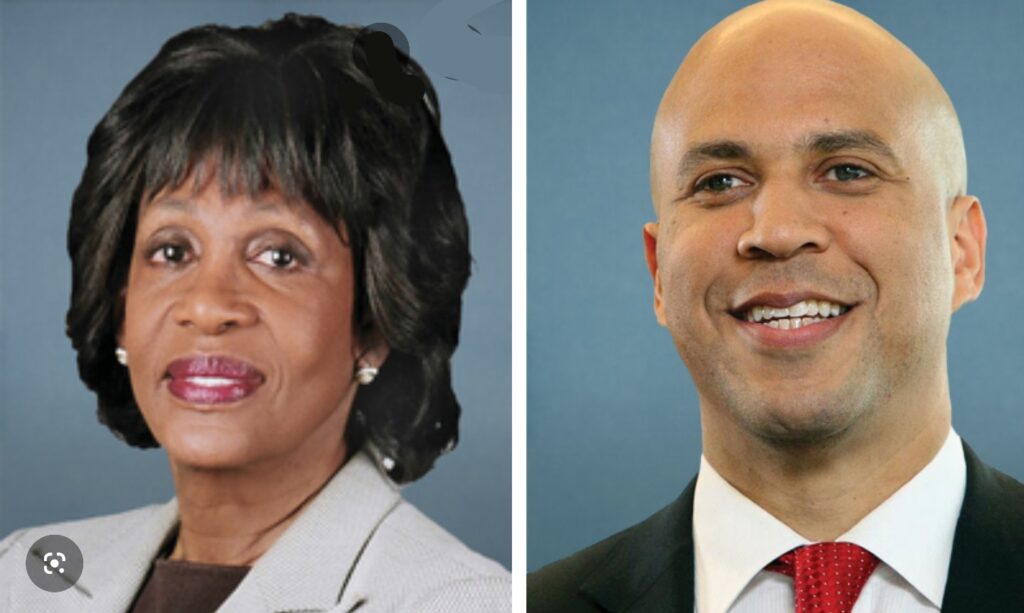
Congresswoman Maxine Waters and Senator Cory Booker Introduce Fair Competition for Small Business Act to Bolster Antitrust Enforcement and Protect Independent Retailers
WASHINGTON, D.C. — On December 19, 2025, Representative Maxine Waters of California and Senator Cory Booker of New Jersey formally introduced the Fair Competition for Small Business Act of 2025, bicameral legislation aimed at strengthening antitrust enforcement and addressing long-standing disparities that disadvantage small and independent businesses. The House and Senate bills focus on reviving and reinforcing enforcement of the Robinson-Patman Act, a federal law intended to prevent price discrimination that harms competition.
Independent grocers and other small retailers occupy a critical role in the U.S. economy. They provide employment, sustain local tax bases, and ensure access to essential goods in communities that large chains may overlook. Industry data frequently cited in policy discussions show that independent grocers alone support more than one million jobs nationwide and generate tens of billions of dollars in wages annually. Despite their economic and social importance, these businesses continue to face structural disadvantages when competing against national and multinational retail chains.
At the center of the problem addressed by the legislation is the imbalance of market power between large retailers and smaller buyers. Large chains are often able to leverage their scale to obtain lower wholesale prices, rebates, and more favorable payment terms from suppliers. Smaller retailers, lacking comparable bargaining power, frequently pay higher prices for identical products. These higher costs are either absorbed, narrowing already-thin margins, or passed on to consumers, making small businesses appear less competitive on price.
The Robinson-Patman Act was enacted to curb precisely this type of discriminatory pricing. However, enforcement of the statute has been limited for decades. While federal agencies retain primary authority, enforcement actions have been rare, and the burden of pursuing cases has often fallen on private litigants with limited resources. State attorneys general are permitted to enforce the law, but under current statutes their remedies are largely confined to injunctive relief, preventing future conduct without addressing past financial harm.
The Fair Competition for Small Business Act seeks to close this enforcement gap by amending the Clayton Act to explicitly authorize state attorneys general to bring civil actions for monetary damages when violations of the Robinson-Patman Act occur. This change would place Robinson-Patman enforcement on similar footing with other federal antitrust laws, giving states the ability not only to stop unlawful practices but also to recover damages on behalf of affected businesses.
Supporters argue that this expanded authority would have both remedial and deterrent effects. Allowing states to pursue damages could help small businesses recover losses linked to discriminatory pricing, while also discouraging suppliers and dominant retailers from engaging in practices that undermine fair competition. Proponents emphasize that the legislation does not create new antitrust standards but instead strengthens enforcement of existing law.
Public reaction reflected in local, national, and industry-focused social media discussions has highlighted several recurring themes. Small business owners and advocacy groups have shared firsthand accounts of struggling to compete with larger rivals due to unequal pricing and contractual terms. Community organizations have emphasized the connection between independent retailers and neighborhood stability, noting that store closures can exacerbate food access challenges and economic decline, particularly in underserved areas. At the same time, policy analysts and legal commentators have pointed to recent regulatory actions and court filings as signs of renewed attention to antitrust enforcement more broadly, framing the legislation as part of a larger shift in competition policy.
The bill has drawn support from a wide range of stakeholders, including grocers’ associations, farm advocates, antitrust researchers, and small business coalitions. Advocates for agricultural producers have noted that discriminatory pricing practices can affect not only retailers but also farmers, who may find themselves squeezed by powerful buyers in concentrated markets. Research organizations focused on local economies have argued that under-enforcement of antitrust laws has contributed to consolidation, higher consumer prices, and reduced choice.
Critics and skeptics, as reflected in some policy discussions, have raised questions about litigation burdens and the potential for inconsistent enforcement across states. However, supporters counter that state attorneys general already play a central role in enforcing federal antitrust laws and that expanding their authority under the Robinson-Patman Act would enhance coordination rather than create fragmentation.
Representative Waters and Senator Booker have framed the legislation as a practical step toward restoring fairness in the marketplace. They argue that meaningful competition depends not only on innovation and efficiency but also on rules that prevent dominant firms from using their size to exclude smaller rivals. By equipping state enforcers with stronger tools, the Fair Competition for Small Business Act aims to rebalance competitive conditions without imposing new regulatory frameworks.
As Congress considers the proposal, attention is likely to remain focused on the broader implications for antitrust policy, market concentration, and the survival of Main Street businesses. For independent retailers and the communities they serve, the legislation represents a potential shift toward more robust enforcement of long-standing protections designed to ensure that size and scale do not become insurmountable barriers to fair competition.
The Fair Competition for Small Business Act of 2025 is cosponsored by U.S. Representatives Jerry Nadler (NY-10), Eleanor Holmes Norton (DC), Bennie G. Thompson (MS-2), Jake Auchincloss (MA-4), Pramila Jayapal (WA-7), Cleo Fields (LA-6), Hank Johnson (GA-4), Alexandria Ocasio-Cortez (NY-14), Rebecca Balint (VT), Andre Carson (IN-7), Dwight Evans (PA-3).
1man1vote:The resident, Donald Trump appears open to the concept of utilizing tax legislation to create a more equitable competitive environment. Given that churches benefit from 501(c)(3) charitable tax-exempt status, small businesses that struggle to compete with large corporations could potentially benefit from receiving a 501(c)(4) social welfare status.
Community Engagement Weekend: Congresswoman Maxine Waters’ Multi-Event Outreach Across the South Bay
Over the course of a packed two-day schedule, Congresswoman Maxine Waters engaged with thousands of residents across Los Angeles County’s 43rd District, participating in seven major community events centered on public health, small business development, food security, veterans’ support, LGBTQ+ history, and youth-focused service initiatives. Across social media platforms, attendees documented an active weekend marked by large turnouts, community partnerships, and—in several cases—high levels of volunteer engagement.

What follows is an event-by-event account of Congresswoman Waters’ activities, organized chronologically.
**Saturday, November 22
Walk to End Alzheimer’s – Los Angeles**
Congresswoman Waters began her weekend at the Los Angeles Walk to End Alzheimer’s, joining more than 1,000 participants. As Co-Chair of the Congressional Task Force on Alzheimer’s Disease, she addressed the crowd with an emphasis on federal investment and caregiver support. She noted her longstanding collaboration with national Alzheimer’s organizations and highlighted the substantial growth in federal research funding achieved over the past decade.

Social media posts from volunteers and participants throughout the morning emphasized the walk’s high turnout and the significance of having a senior federal representative present, especially one closely aligned with national Alzheimer’s policy efforts.
**Saturday, November 22
Sports Basement South Bay/Hawthorne Grand Opening & SnowFest**
Immediately after the walk, the Congresswoman traveled to Hawthorne for the grand opening of Sports Basement’s newest South Bay location and its accompanying SnowFest celebration. The event drew families, outdoor recreation groups, and local officials.

Congresswoman Waters’ remarks centered on the store’s investment in local hiring, recreational accessibility, and community partnerships. Online posts from attendees highlighted the festive atmosphere—particularly the outdoor activity demonstrations—and the novelty of the cooperative’s expansion into the region.
**Saturday, November 22
“Wobble Before You Gobble” Zumba Community Event, Gardena**
Later that morning, the Congresswoman joined the City of Gardena and the Inka Lions for a community Zumba event focused on fitness and seasonal giving. In addition to taking part in the physical activities, she assisted volunteers handing out canned goods to families.
Crowd-sourced media from participants showed a notably high level of resident engagement, including multigenerational families and youth groups. Commenters cited the event as an example of Gardena’s coordinated health-and-wellness outreach leading into the holiday season. In her remarks, Congresswoman Waters emphasized that shared moments of joy, exercise, and fellowship reinforce the resilience and unity of South Bay communities.
**Saturday, November 22
Morris Kight Memorial Ceremony – Hollywood Forever Cemetery**
In the afternoon, Congresswoman Waters participated in a memorial ceremony honoring the interment of LGBTQ+ civil rights leader Morris Kight’s ashes atop the Chapel of the Gower Mausoleum. Kight, a pioneering activist whose influence shaped both Los Angeles and the national movement, was commemorated by advocates, historians, and community partners.

Congresswoman Waters delivered reflections recognizing Kight’s lifelong pursuit of dignity and equity, underscoring the continuing relevance of his advocacy. Observers who shared the ceremony online noted the deeply respectful nature of the gathering and the broad representation of community organizations present.
Congresswoman Waters began her second day at the longstanding Kinecta holiday food distribution, one of the region’s most enduring charitable traditions. Volunteers, nonprofit partners, and local families participated in the drive-up operation, which provided support to households facing economic strain.
In her remarks, Congresswoman Waters pointed to rising costs of living and recognized the role of local institutions in meeting essential needs. Posts circulating on social media showed long lines of vehicles and a robust volunteer corps operating an efficient distribution process. Many commenters highlighted the food drive’s decades-long reputation for reliability and community focus.
**Sunday, November 23
Hawthorne VFW Post 2075 – 52nd Annual Thanksgiving Dinner for Veterans**
From Jesse Owens Park, the Congresswoman moved to Hawthorne VFW Post 2075 to assist with its annual Thanksgiving dinner for veterans. Established in 1943, the post is one of the oldest in the South Bay and continues to serve as a center of support, connection, and service.
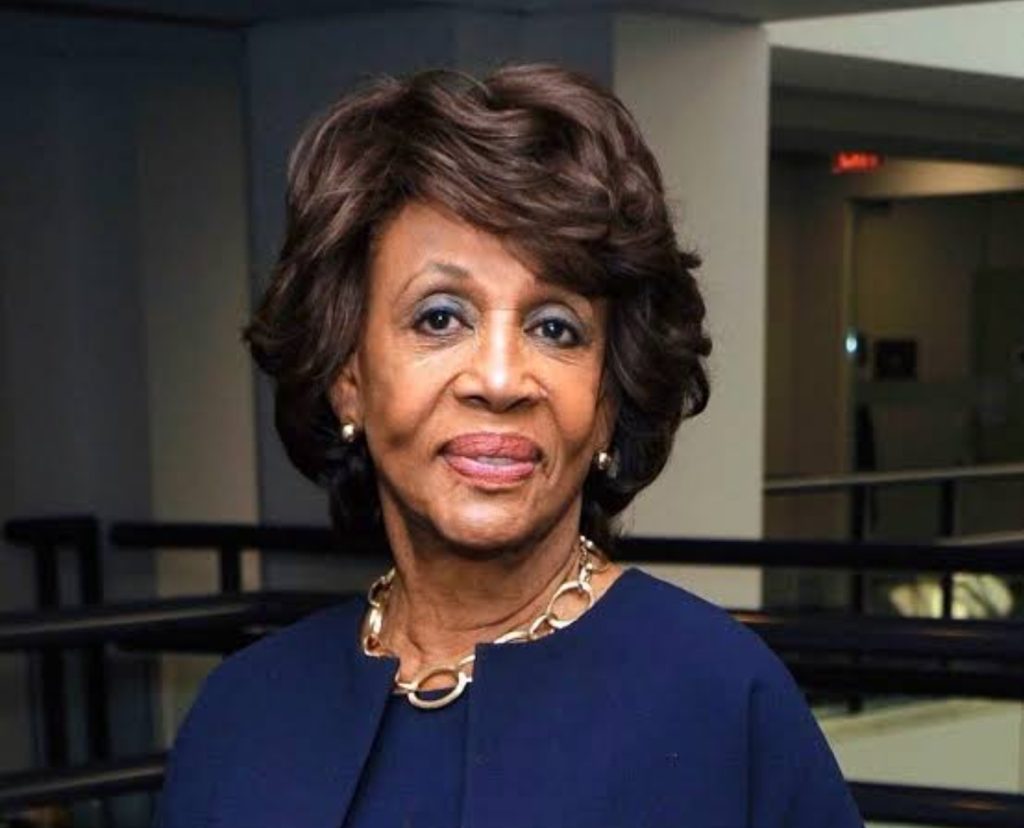
Congresswoman Waters helped prepare and serve meals and took time to greet veterans and their families individually. Attendees shared images online of the Congresswoman working alongside volunteers, with many expressing appreciation for the visibility of federal leadership at a local veterans’ event. In her remarks, she recognized the enduring sacrifices of military families and praised the post for its consistency in upholding traditions of honor and service.
**Sunday, November 23
Jr. Dixon Annual Gospel Musical Fundraiser & Toy Drive**
The Congresswoman concluded her weekend at the Jr. Dixon Annual Gospel Musical Fundraiser and Toy Drive at the Church of the Living God on Western Avenue. The event—now more than three and a half decades strong—combined musical performances with charitable giving for families facing hardship during the holiday season.
She honored Jr. Dixon’s long record of community service affirmed the importance of faith-based initiatives in expanding youth opportunities. Social media reports from attendees highlighted strong musical performances, a warm communal atmosphere, and generous toy donations filling collection areas throughout the event space.
A Weekend Defined by Presence, Partnership, and Public Service
Over two days, Congresswoman Waters participated in seven major public events—each reflecting a different dimension of community need. Her schedule ranged from health advocacy to LGBTQ+ historical recognition, and from family assistance efforts to fitness-based community gatherings.

Across social media, local observers consistently noted the breadth of her presence throughout the district. Many described the weekend as emblematic of her longstanding practice of remaining physically present and publicly accountable within CA-43, even while maintaining a demanding legislative role in Washington.
In closing remarks delivered at the final event of the weekend, Congresswoman Waters reflected that this work remains deeply meaningful to her. Framed in third-person narrative, she emphasized that whether she is advancing federal initiatives in Washington or assisting residents in neighborhood-level efforts at home, she remains committed to showing up, listening, and working directly alongside the people she serves.
One of the mantras that we often hear parroted up and down the right side of the political spectrum, focuses “on promises made – promises kept.” Once spewed, those words take on little meaning beyond the self-serving significance of a pretentious mandate. The words provide cover for the entire team. When questioned, they mention their constituents, but only to use them as the cover story that dwells beside their failed policies . Usually when they take or re-affirm their oath, they might mumble a promise to be the leader of all the people – even the ones that did not vote for them. But it is unlikely that those words are meant to include the idea of “service”.
Congresswoman Maxine Waters also took the oath and ever so often, when she is not away, fighting the war of words in DC, she is here in the south bay area of Los Angeles’s 43rd district, meeting and greeting the constituents that she serves. It is that idea of “service” that is so sorely lacking in the authoritarian push for enforced, single minded subordination, over and above the idea of community, brotherhood, and society that Congresswoman Waters fights to serve.
Congresswoman Maxine Waters, on Friday sharply condemned the federal government’s handling of food-assistance payments as part of the ongoing funding standoff, and directed families in her district to local relief resources while the legal fight over SNAP continues.
Ms. Waters — the ranking member of the House Financial Services Committee — issued a statement in early November criticizing the administration’s move to withhold or limit November Supplemental Nutrition Assistance Program (SNAP) benefits during the partial government shutdown and urging residents to seek immediate help from community programs. Her office emphasized that people who rely on SNAP should also look to local food banks, school districts, and municipal services for emergency assistance.
The dispute over November SNAP funding has been resolved only temporarily by the courts, leaving many households uncertain. The U.S. Supreme Court issued an emergency order earlier this month that briefly paused a lower-court mandate requiring full SNAP disbursements; the administration has continued to press the matter in the appeals courts. At the same time, appeals judges and lower courts have issued competing rulings and injunctions, meaning distribution practices have varied by state and some jurisdictions moved quickly to process full payments while others provided partial benefits or used state funds to fill gaps. These legal developments have affected roughly tens of millions of recipients nationwide.
Waters’ statement pointed constituents to concrete, actionable resources in Los Angeles County and in the cities that fall within California’s 43rd Congressional District — including Inglewood, Hawthorne, Gardena, Lawndale, Compton and Torrance — where municipal and nonprofit networks are expanding emergency assistance while the federal picture remains unsettled. Her office listed phone and web contacts for food help and programs that serve seniors, families and young children.
Practical options for Angelenos in need right now include dialing 2-1-1 (the county’s social-services directory) or visiting the Los Angeles Regional Food Bank’s online pantry finder to locate nearby partner agencies and pop-up distributions; the food bank’s locator lets users search by ZIP code for up-to-date pantry hours and contact details. City residents can also call 3-1-1 to learn about FamilySource Centers and weekly food distributions for qualifying low-income families.
Families with infants or young children are reminded that WIC — the Special Supplemental Nutrition Program for Women, Infants, and Children — continues to operate separately from SNAP and may provide immediate nutrition support, breastfeeding assistance and referrals. California’s WIC program maintains a toll-free line (1-800-852-5770)and local WIC clinics where eligibility can be confirmed and enrollment expedited.
Congresswoman Waters’ release and multiple community partners underscored a final, practical point: while courts and officials litigate funding questions, many relief systems remain active at the county and city level. Residents in need are advised to contact 2-1-1, the LA Regional Food Bank’s pantry finder, their school district or local FamilySource Center, and WIC if they qualify — and to call municipal aging or social-service lines for senior-specific referrals. Waters’ office also encouraged community members to share information about local distributions, so neighbors know where to find food now.
UPDATE Supreme Court Justice Ketanji Brown Jackson has given the Trump administration until 4 p.m. ET on Monday to submit an additional brief to support its request for a stay on a lower court’s ruling that it must pay the November Supplemental Nutrition Assistance Program (SNAP) benefits in full by using funds from other Child Nutrition Programs during the federal government shutdown.
If you live within the boundaries of Los Angeles’ 43rd congressional district that encompasses a significant portion of the South Bay and South Los Angeles.
Your district includes:
The entire cities of Hawthorne, Inglewood, Lawndale, Gardena, and Lomita.
Portions of the cities of Los Angeles (including LAX and the neighborhood of Watts) and Torrance.
Census-designated places like Lennox, Del Aire, Alondra Park, West Athens, and Westmont.
In light of the longest and most destructive government shutdown in United States history, your United States Congressional representative, Maxine Waters addresses the nation with a message for you.