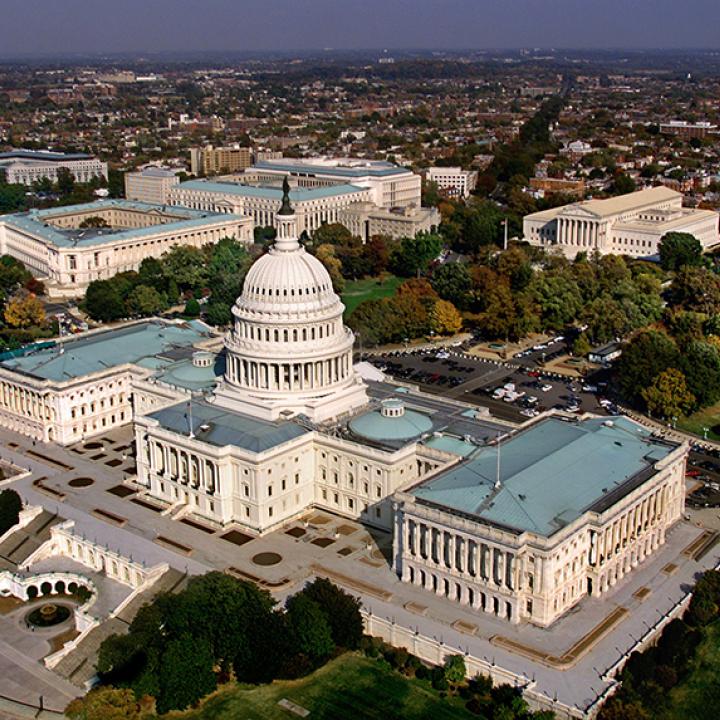
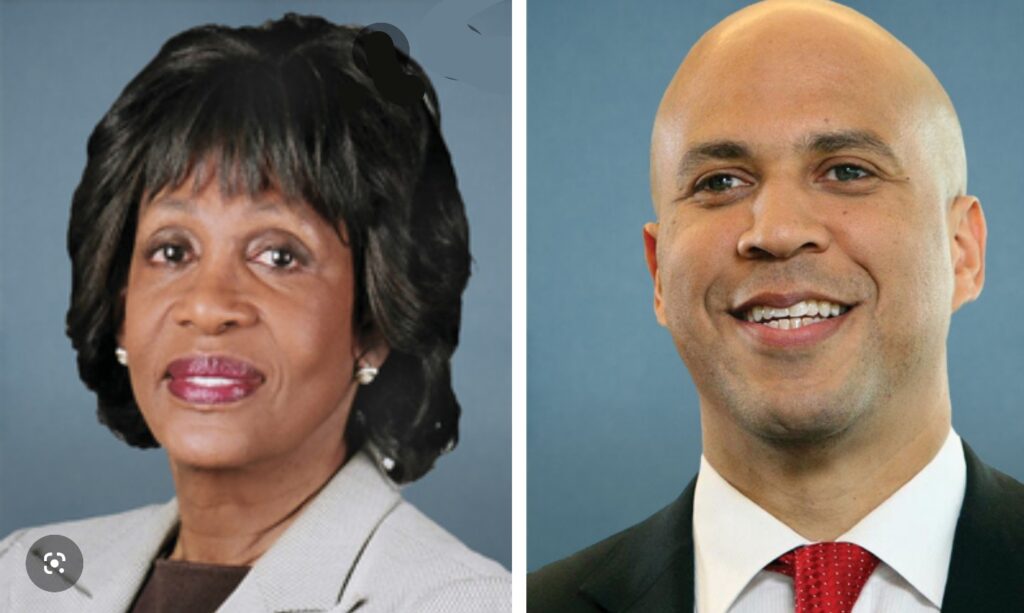
Congresswoman Maxine Waters and Senator Cory Booker Introduce Fair Competition for Small Business Act to Bolster Antitrust Enforcement and Protect Independent Retailers
WASHINGTON, D.C. — On December 19, 2025, Representative Maxine Waters of California and Senator Cory Booker of New Jersey formally introduced the Fair Competition for Small Business Act of 2025, bicameral legislation aimed at strengthening antitrust enforcement and addressing long-standing disparities that disadvantage small and independent businesses. The House and Senate bills focus on reviving and reinforcing enforcement of the Robinson-Patman Act, a federal law intended to prevent price discrimination that harms competition.
Independent grocers and other small retailers occupy a critical role in the U.S. economy. They provide employment, sustain local tax bases, and ensure access to essential goods in communities that large chains may overlook. Industry data frequently cited in policy discussions show that independent grocers alone support more than one million jobs nationwide and generate tens of billions of dollars in wages annually. Despite their economic and social importance, these businesses continue to face structural disadvantages when competing against national and multinational retail chains.
At the center of the problem addressed by the legislation is the imbalance of market power between large retailers and smaller buyers. Large chains are often able to leverage their scale to obtain lower wholesale prices, rebates, and more favorable payment terms from suppliers. Smaller retailers, lacking comparable bargaining power, frequently pay higher prices for identical products. These higher costs are either absorbed, narrowing already-thin margins, or passed on to consumers, making small businesses appear less competitive on price.
The Robinson-Patman Act was enacted to curb precisely this type of discriminatory pricing. However, enforcement of the statute has been limited for decades. While federal agencies retain primary authority, enforcement actions have been rare, and the burden of pursuing cases has often fallen on private litigants with limited resources. State attorneys general are permitted to enforce the law, but under current statutes their remedies are largely confined to injunctive relief, preventing future conduct without addressing past financial harm.
 The Fair Competition for Small Business Act seeks to close this enforcement gap by amending the Clayton Act to explicitly authorize state attorneys general to bring civil actions for monetary damages when violations of the Robinson-Patman Act occur. This change would place Robinson-Patman enforcement on similar footing with other federal antitrust laws, giving states the ability not only to stop unlawful practices but also to recover damages on behalf of affected businesses.
Supporters argue that this expanded authority would have both remedial and deterrent effects. Allowing states to pursue damages could help small businesses recover losses linked to discriminatory pricing, while also discouraging suppliers and dominant retailers from engaging in practices that undermine fair competition. Proponents emphasize that the legislation does not create new antitrust standards but instead strengthens enforcement of existing law.
 Public reaction reflected in local, national, and industry-focused social media discussions has highlighted several recurring themes. Small business owners and advocacy groups have shared firsthand accounts of struggling to compete with larger rivals due to unequal pricing and contractual terms. Community organizations have emphasized the connection between independent retailers and neighborhood stability, noting that store closures can exacerbate food access challenges and economic decline, particularly in underserved areas. At the same time, policy analysts and legal commentators have pointed to recent regulatory actions and court filings as signs of renewed attention to antitrust enforcement more broadly, framing the legislation as part of a larger shift in competition policy.
The bill has drawn support from a wide range of stakeholders, including grocers’ associations, farm advocates, antitrust researchers, and small business coalitions. Advocates for agricultural producers have noted that discriminatory pricing practices can affect not only retailers but also farmers, who may find themselves squeezed by powerful buyers in concentrated markets. Research organizations focused on local economies have argued that under-enforcement of antitrust laws has contributed to consolidation, higher consumer prices, and reduced choice.
Critics and skeptics, as reflected in some policy discussions, have raised questions about litigation burdens and the potential for inconsistent enforcement across states. However, supporters counter that state attorneys general already play a central role in enforcing federal antitrust laws and that expanding their authority under the Robinson-Patman Act would enhance coordination rather than create fragmentation.
Representative Waters and Senator Booker have framed the legislation as a practical step toward restoring fairness in the marketplace. They argue that meaningful competition depends not only on innovation and efficiency but also on rules that prevent dominant firms from using their size to exclude smaller rivals. By equipping state enforcers with stronger tools, the Fair Competition for Small Business Act aims to rebalance competitive conditions without imposing new regulatory frameworks.
As Congress considers the proposal, attention is likely to remain focused on the broader implications for antitrust policy, market concentration, and the survival of Main Street businesses. For independent retailers and the communities they serve, the legislation represents a potential shift toward more robust enforcement of long-standing protections designed to ensure that size and scale do not become insurmountable barriers to fair competition.
The Fair Competition for Small Business Act of 2025 is cosponsored by U.S. Representatives Jerry Nadler (NY-10), Eleanor Holmes Norton (DC), Bennie G. Thompson (MS-2), Jake Auchincloss (MA-4), Pramila Jayapal (WA-7), Cleo Fields (LA-6), Hank Johnson (GA-4), Alexandria Ocasio-Cortez (NY-14), Rebecca Balint (VT), Andre Carson (IN-7), Dwight Evans (PA-3).
To read the full text of the bill, click here.
 1man1vote: The resident, Donald Trump appears open to the concept of utilizing tax legislation to create a more equitable competitive environment. Given that churches benefit from 501(c)(3) charitable tax-exempt status, small businesses that struggle to compete with large corporations could potentially benefit from receiving a 501(c)(4) social welfare status.
 Over the course of a packed two-day schedule, Congresswoman Maxine Waters engaged with thousands of residents across Los Angeles County’s 43rd District, participating in seven major community events centered on public health, small business development, food security, veterans’ support, LGBTQ+ history, and youth-focused service initiatives. Across social media platforms, attendees documented an active weekend marked by large turnouts, community partnerships, and—in several cases—high levels of volunteer engagement.
 than 1,000 participants. As Co-Chair of the Congressional Task Force on Alzheimer’s Disease, she addressed the crowd with an emphasis on federal investment and caregiver support. She noted her longstanding collaboration with national Alzheimer’s organizations and highlighted the substantial growth in federal research funding achieved over the past decade.
 Basement’s newest South Bay location and its accompanying SnowFest celebration. The event drew families, outdoor recreation groups, and local officials.
 of LGBTQ+ civil rights leader Morris Kight’s ashes atop the Chapel of the Gower Mausoleum. Kight, a pioneering activist whose influence shaped both Los Angeles and the national movement, was commemorated by advocates, historians, and community partners.
 From Jesse Owens Park, the Congresswoman moved to Hawthorne VFW Post 2075 to assist with its annual Thanksgiving dinner for veterans. Established in 1943, the post is one of the oldest in the South Bay and continues to serve as a center of support, connection, and service.
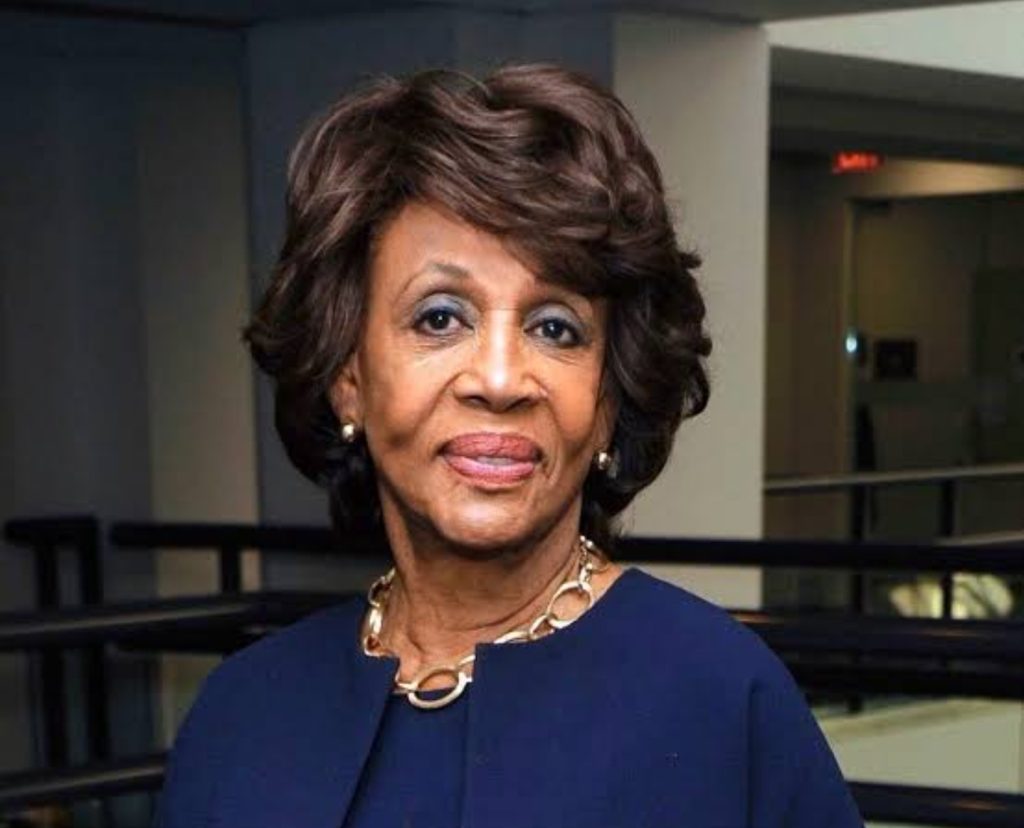 different dimension of community need. Her schedule ranged from health advocacy to LGBTQ+ historical recognition, and from family assistance efforts to fitness-based community gatherings.
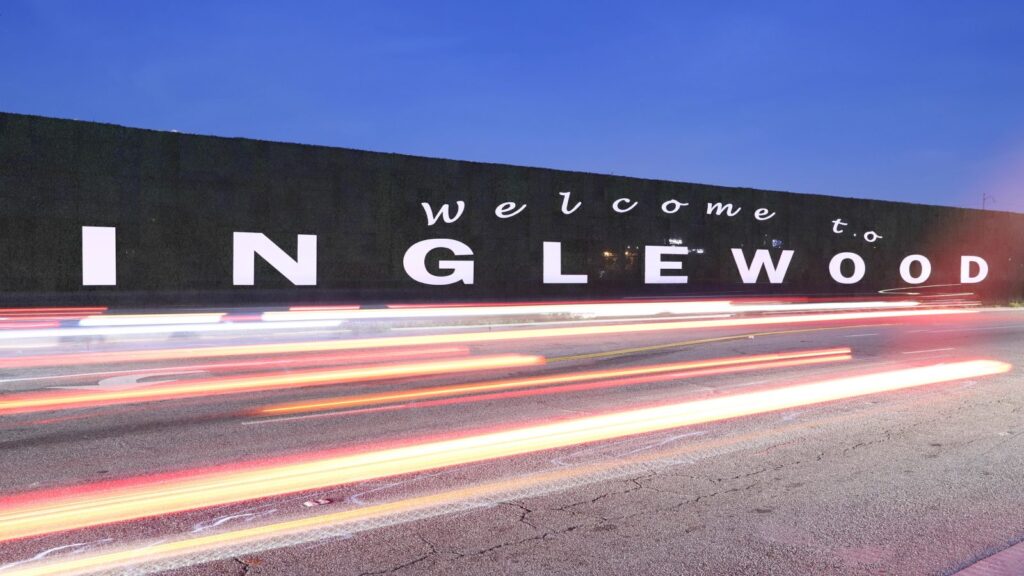
 Waters’ statement pointed constituents to concrete, actionable resources in Los Angeles County and in the cities that fall within California’s 43rd Congressional District — including Inglewood, Hawthorne, Gardena, Lawndale, Compton and Torrance — where municipal and nonprofit networks are expanding emergency assistance while the federal picture remains unsettled. Her office listed phone and web contacts for food help and programs that serve seniors, families and young children.
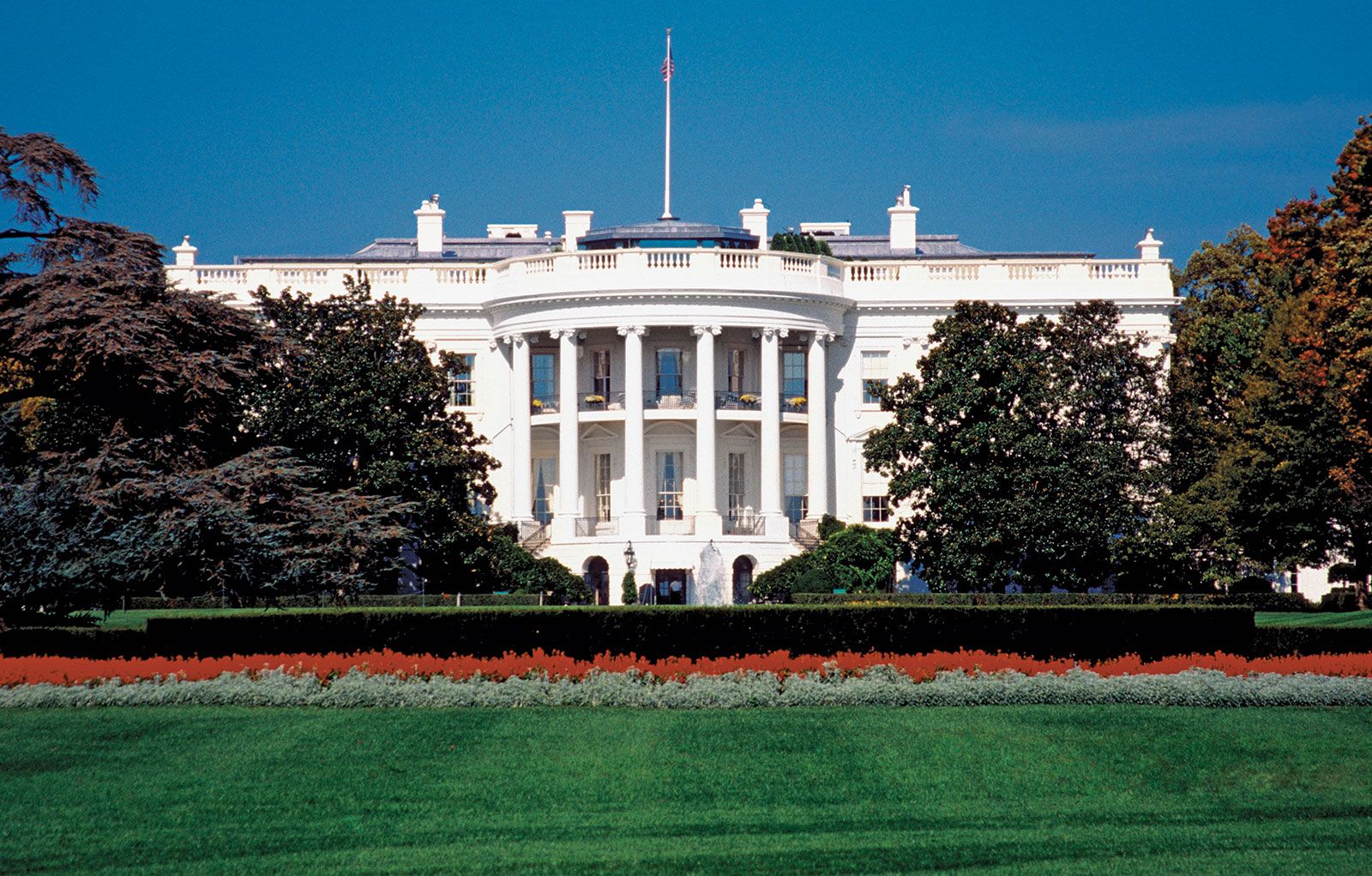

 v- Wade, the ACA has been on the resident’s seek and destroy list every since President Obama “clowned” Donald Trump was at the 2011 White House Correspondents’ Dinner, where he heavily mocked trumplethinskin over the “birther” conspiracy theory.
 As the federal government shutdown drags into its fifth week, the Supreme Court’s decision late Friday to temporarily block a lower court order requiring full Supplemental Nutrition Assistance Program (SNAP) payments has left millions of low-income Americans uncertain about where their next meal will come from. The ruling, issued by Justice Ketanji Brown Jackson, pauses full benefit disbursements while an appeals court considers the Trump administration’s request to limit payouts to available contingency funds.
 authorization. However, critics argue that the government’s reluctance to use discretionary reserves reflects misplaced priorities. The website

 On the seventeenth day of the government shutdown, Maxine Waters introduced the Head Start Shutdown Protection Act of 2025 (H.R. 5790) in the House of Representatives. The proposed legislation seeks to shield the nation’s early-childhood education programs from disruption when federal funding lapses.
 funds they expend to maintain Head Start or Early Head Start operations during a shutdown. The mechanism requires entities to front the cost and seek federal reimbursement after funding is restored.
 From a policy-perspective, the bill raises questions about the role of federal contingency mechanisms in essential services. If local entities bear the upfront cost of continuity, states and districts with fewer resources may be disadvantaged—raising equity concerns. And while reimbursement after the fact provides relief, it does not necessarily mitigate the risk of short-term service interruption or cash-flow stress.

 Urgent Communication
 The office of Maxine Waters (D-CA) has issued a strong condemnation of what it describes as a “mass firing” at the U.S. Department of Housing and Urban Development (HUD) during the current federal government shutdown. On October 14, 2025, Waters — ranking Democrat on the House Financial Services Committee — released a statement asserting that roughly 442 HUD employees have been terminated, citing figures from the Office of Management and Budget (OMB).
 allegations that the agency under Scott Turner may be planning to shutter a significant portion of its regional presence. In April 2025 she sent a letter to the Government Accountability Office (GAO) and HUD’s Office of Inspector General seeking inquiry into whether HUD was meeting its legal obligations to maintain regional offices.
 to forgo pay as shutdown’s human toll deepens