“He” moves forward with his “MY WAY OR THE HIGHWAY, AMERICA” threat. In the middle of a war, he threatens to do nothing for the next nine months, forcing the Constitution to bend to his will, changing voting laws in the middle of the stream, ahead of existing law, hoping to end the established practice of mail-in voting, amidst any other changes that he can institute as a means of complicating the upcoming midterm elections. That “he is certain”, will spell the end of his reign of terror.
For more than seven decades, U.S. policy in the Middle East has oscillated between direct intervention, strategic patronage, and coercive containment. Iran sits at the center of that arc. The bilateral relationship can be understood as two sharply distinct phases: a Cold War security partnership anchored in monarchical rule, and a post-revolutionary rivalry defined by ideological hostility, sanctions, and proxy competition.
I. Strategic Alignment Under the Shah (1953–1979)
The modern U.S.–Iran relationship was fundamentally shaped by the 1953 coup that removed Prime Minister Mohammad Mossadegh and consolidated authority under Mohammad Reza Pahlavi. Orchestrated with American and British intelligence support, the operation secured Western access to Iranian oil and repositioned Tehran firmly within the anti-Soviet bloc during the Cold War.
From the administrations of Dwight D. Eisenhower through Richard Nixon, Iran was elevated as a regional security pillar. Washington transferred advanced weaponry, intelligence cooperation, and civilian nuclear assistance through programs such as “Atoms for Peace.” In exchange, Tehran guaranteed oil stability and served as a counterweight to Soviet penetration in the Persian Gulf.
By the late 1970s, however, the Shah’s centralized rule, aggressive modernization campaigns, and the repression carried out by SAVAK generated broad domestic opposition. Under Jimmy Carter, U.S. messaging on human rights created diplomatic ambiguity at a moment of escalating unrest. The 1979 Islamic Revolution dismantled the monarchy and replaced it with a theocratic republic led by Ruhollah Khomeini, permanently altering the bilateral equation.
II. Revolutionary Rupture and Enduring Hostility (1979–Present)
The seizure of the U.S. Embassy in Tehran in 1979 and the ensuing hostage crisis severed diplomatic ties—a rupture that has never been formally repaired. Throughout the 1980s, the United States tilted toward Iraq during the Iran–Iraq War, deepening mutual distrust. Maritime confrontations during the “Tanker War” further militarized the Gulf.
In the decades that followed, tensions centered on two primary axes: Iran’s support for regional armed movements and its nuclear program. Washington designated Tehran a state sponsor of terrorism, while Tehran framed U.S. military presence in the region as encirclement. This dynamic hardened during successive administrations on both sides.
A significant, though temporary, de-escalation occurred in 2015 with the Joint Comprehensive Plan of Action (JCPOA), negotiated under President Barack Obama and Iranian President Hassan Rouhani. The agreement constrained Iran’s uranium enrichment in exchange for phased sanctions relief. However, in 2018 President Donald Trump withdrew the United States from the accord and reinstated sweeping economic sanctions under a “maximum pressure” framework. Tehran gradually reduced compliance with nuclear limitations in response.
III. Current Strategic Posture (2025–2026)
the relationship remains adversarial and structurally unstable. U.S. policy continues to rely heavily on financial sanctions, export controls, and diplomatic isolation aimed at curbing Iran’s nuclear expansion and regional projection. Iranian authorities have incrementally limited international inspection access while expanding enrichment capacity and maintaining influence through aligned actors across the Levant and Gulf.
The standoff is characterized less by direct warfare than by calibrated brinkmanship: cyber operations, proxy engagements, maritime seizures, and intermittent strikes attributed to shadow actors. Neither side has demonstrated sustained political willingness to restore full diplomatic normalization.
IV. Structural Drivers of Friction
Three enduring factors explain the durability of conflict:
Ideological Divergence – The Islamic Republic’s foundational narrative centers on resistance to Western dominance, while U.S. policy emphasizes nonproliferation and regional security guarantees.
Security Architecture – The United States maintains defense partnerships with Gulf states and Israel; Iran views this network as containment.
Sovereignty and Power Consolidation – Historically, states that expand economically or militarily prioritize autonomy. Even absent revolutionary ideology, a stronger Iran would likely seek independent regional influence rather than subordinate alignment.
Conclusion
The U.S.–Iran relationship is not cyclical in a simple sense; it reflects a structural shift from patron-client alignment to systemic rivalry. The pre-1979 partnership was built on shared strategic necessity during bipolar superpower competition. The post-1979 era is defined by mistrust embedded in institutional memory, domestic politics, and regional competition.
Absent a fundamental redefinition of threat perception on both sides, the relationship is likely to remain a managed confrontation—periodically volatile, occasionally negotiable, but strategically adversarial.
And I submit the peace will never hold in an international Society because in order for peace to hold there will always be a triad. A parent, a child and an impatiently, suffering subordinate. That whimpering, hermit crab faction will
ultimately boil over and spoil the peace.
What of…
Camp David Accords (1978): A historic basis for the 1979 Egypt–Israel Peace Treaty.
Oslo Accords (1993/1995): A set of agreements between Israel and the PLO aimed at achieving a peace treaty based on UN resolutions.
Wadi Araba Agreement (1994): The formal peace treaty signed between Israel and Jordan.
Abraham Accords (2020): A series of normalization agreements between Israel and several Arab nations, including the UAE, Bahrain, and Morocco.
Based on the rampage of recent naming conventions, when the smoke clears, history books will surely bear the name; “the big beautiful, Donald J Trump Peace Forge.”
The Other Side of the American Dream: Tracking the Rise in Americans Moving Abroad
For generations, the United States symbolized upward mobility and global opportunity. In recent years, however, a quieter countercurrent has emerged: a measurable increase in Americans choosing to live elsewhere. Although the federal government does not maintain a precise count of citizens residing overseas, independent estimates place the expatriate population between 5 million and 9 million.
A Notable Shift in Migration Patterns
Recent demographic analyses indicate that 2025 marked a significant inflection point. Approximately 180,000 Americans relocated abroad during the year, contributing to what researchers describe as the first instance of negative net migration—more people leaving the country than arriving—since the Great Depression. Projections for 2026 vary widely, but some models suggest that outbound migration could exceed inbound migration by anywhere from 150,000 to 900,000 individuals.
Formal expatriation is also increasing. Data released in early 2025 show that quarterly renunciations of U.S. citizenship doubled compared to late 2024 levels. While renunciation figures remain a small fraction of total outbound movers, the upward trend is noteworthy because it reflects a more permanent break rather than temporary relocation.
Where Americans Are Going
Mexico remains the leading destination for American emigrants. Proximity, lower living costs, established expatriate communities, and simplified residency pathways make it attractive for retirees and remote workers alike.
Canada follows, offering geographic familiarity and a social welfare system often cited by migrants concerned about healthcare affordability. The United Kingdom and Germany also rank among the top destinations, drawing professionals and dual nationals seeking economic stability and robust public services.
Southern European nations—particularly Portugal and Spain—have gained visibility in social media forums and relocation networks due to digital nomad visas and comparatively affordable urban centers. These programs enable Americans to maintain U.S.-based employment while residing in lower-cost economies.
Drivers Behind the Movement
Crowd-sourced discussions across relocation forums, expatriate groups, and international lifestyle networks consistently point to three core motivations: economic pressure, political climate, and work flexibility.
Economic Pressure. Rising housing costs in major U.S. metropolitan areas, coupled with healthcare expenses that remain high relative to other developed nations, are frequently cited as primary push factors. Middle-income professionals report difficulty building savings while managing rent, insurance premiums, and childcare. By contrast, many European and Latin American cities offer lower housing costs and more predictable healthcare systems.
Political and Social Climate. Online discussions reveal heightened concern over domestic polarization, public safety debates, and broader cultural tensions. While political dissatisfaction has long influenced migration patterns, the scale and intensity of discourse since 2024 appear to have amplified relocation considerations for some households.
Remote Work Expansion. The normalization of remote employment has significantly reduced geographic constraints. Professionals in technology, consulting, media, and finance increasingly leverage U.S.-based salaries while residing abroad. This arbitrage—earning in dollars while spending in euros or pesos—reshapes traditional cost-of-living calculations.
Contextualizing the “Exodus”
It is important to maintain scale. Even at the higher end of projections, outbound migration represents a small fraction of the nation’s 330+ million population. The United States continues to attract substantial inbound immigration and remains a dominant economic and cultural center.
Nonetheless, the shift toward negative net migration carries symbolic weight. Historically, the U.S. has been defined by net inflows of people seeking opportunity. A reversal—even modest—invites scrutiny about domestic affordability, institutional trust, and quality-of-life metrics.
Social media has amplified visibility around relocation logistics, tax strategies, residency permits, and cost comparisons. Communities that once operated quietly are now algorithmically surfaced, normalizing the idea that international relocation is both attainable and pragmatic rather than exceptional.
The Broader Question
The phrase “American Dream” traditionally implied that prosperity required arrival within U.S. borders. The current migration trend suggests a reframing: for some citizens, that aspiration now includes geographic mobility beyond them.
Whether this movement represents a temporary recalibration or a durable demographic shift remains uncertain. What is clear is that a measurable subset of Americans is re-evaluating where opportunity, stability, and quality of life intersect.
The equation, ultimately, is individual. In a world where borders are increasingly navigable for skilled workers and retirees, the concept of home has become more fluid—and the American Dream, for some, more portable than ever.
Without pointing the finger at anyone in particular it does seem like perhaps he might want America all to himself.
Mounting Scrutiny Over Oil Consumption in Hyundai and Kia Vehicles as Owner Complaints Persist
Hyundai and Kia continue to face regulatory scrutiny, class-action litigation, and consumer complaints tied to excessive oil consumption in a range of gasoline direct injection (GDI) engines produced primarily between 2011 and 2021. The issue—frequently traced to carbon-stuck piston oil rings—has been widely documented in legal filings, federal safety investigations, service bulletins, and social media forums.
Engines and Models Under Review
The most commonly cited engines include the Theta II (2.0L and 2.4L), Nu (2.0L), and Gamma (1.6L) GDI platforms. Affected models span much of both automakers’ lineups, including the Hyundai Sonata, Santa Fe, and Tucson, as well as the Kia Optima, Sorento, Soul, and Sportage.
When piston rings fail to properly scrape oil from the cylinder walls, oil enters the combustion chamber and burns. Owners report symptoms including frequent low-oil warnings, engine knocking, stalling, loss of power, excessive exhaust smoke, and in some cases, vehicle fires. Manufacturer service bulletins typically define “excessive consumption” as more than one quart of oil per 1,000 miles—a threshold that can trigger diagnostic procedures or engine replacement under certain warranty programs.
Recalls and Legal Settlements
In 2025, Kia recalled more than 137,000 2021–2023 Seltos and Soul vehicles due to defective piston oil rings that could increase oil consumption and pose a fire risk. The recall followed years of engine-related campaigns and settlements involving earlier GDI engines.
In 2024, a major settlement expanded coverage to approximately 2.1 million additional vehicles equipped with the 1.6L Gamma GDI engine. Under the agreement, qualifying owners received an extended powertrain warranty of 15 years or 150,000 miles, covering inspections and repairs related to connecting rod bearing failure—a condition that can follow prolonged oil starvation.
To qualify for this extended coverage, owners must complete a free Knock Sensor Detection System (KSDS) software update at an authorized dealership. The KSDS is designed to detect early signs of bearing wear and protect the engine from catastrophic failure. Failure to obtain the update can void eligibility for certain warranty claims.
Owners are typically required to undergo a formal oil consumption test and maintain documented oil change records. Missing oil changes for extended intervals—often defined as 15,000 miles or one year—may disqualify claims under manufacturer policy.
Owner Experience Raises Additional Concerns
Beyond the broader litigation landscape, some owners report additional challenges at the dealership level.
In one case, a lessee attempted to return a Hyundai vehicle at the end of a three-year lease at South Bay Hyundai in Torrance after the originating dealership closed. Despite being within the mileage terms, the dealer allegedly refused to accept the return without a $1,000 payment. The lessee ultimately purchased the vehicle.
In 2024, the vehicle’s check engine light illuminated. South Bay Hyundai reportedly cleared the diagnostic code without performing substantive repairs. Weeks later, the issue returned. A second dealership, Hyundai of Carson, also cleared the light. On a subsequent visit, a service advisor attributed the problem to a “damaged canister,” quoting approximately $1,500 for replacement. The owner, who had an active warranty, reports that the warranty company denied the claim because the dealer characterized the part as physically damaged rather than defective.
The owner then sought independent repair. The canister was replaced, and the removed component reportedly showed no physical damage beyond normal wear. However, replacing the part did not resolve the underlying issue. The check engine light returned, and the vehicle began exhibiting more severe symptoms: engine shutdowns, excessive oil burning, and fumes entering the cabin.
Broader Implications
Consumer complaints filed with federal regulators and posted across automotive forums frequently describe similar patterns: repeated check engine light resets, oil consumption monitoring procedures, and disputed warranty claims. Legal settlements have provided engine replacements and extended warranties for millions of vehicles, yet some owners continue to report difficulty obtaining definitive repairs.
As Hyundai and Kia implement recalls, software updates, and settlement remedies, affected drivers are advised to check their VIN on the manufacturer’s recall website, confirm completion of the KSDS update where applicable, document oil consumption carefully, and retain all maintenance records.
With millions of vehicles covered under extended warranty programs, the issue remains one of the most significant engine-related consumer controversies in the modern automotive sector.
Congresswoman Maxine Waters Introduces Resolution Honoring National Black HIV/AIDS Awareness Day
Congresswoman Maxine Waters (D-CA), Ranking Member of the House Financial Services Committee, has introduced a House resolution recognizing National Black HIV/AIDS Awareness Day, observed annually on February 7. The resolution, H.Res. 1039, underscores the continued disproportionate impact of HIV/AIDS on Black Americans and calls for renewed national commitment to prevention, testing, treatment, and the elimination of health disparities.
National Black HIV/AIDS Awareness Day was established to focus attention on the toll HIV/AIDS has taken on African American communities and to promote education, early diagnosis, and access to care. According to the data cited in the resolution, Black Americans represent approximately 12 percent of the U.S. population but account for 39 percent of new HIV diagnoses, 40 percent of people living with HIV, and 43 percent of HIV-related deaths. The rate of new HIV diagnoses among Black Americans is roughly eight times that of white Americans. Black women account for about half of new HIV diagnoses among women, and Black youth ages 13 to 24 similarly account for about half of new diagnoses within their age group.
Waters has been a central figure in congressional HIV/AIDS advocacy for more than four decades. In the late 1990s, she worked with the Clinton administration to establish the Minority AIDS Initiative, a federal program designed to expand prevention and treatment efforts in communities of color. Funding for the initiative has grown from an initial $156 million appropriation in Fiscal Year 1999 to more than $400 million annually today, reflecting its expanded scope and continued relevance.
In recent years, Waters has introduced legislation aimed at strengthening HIV prevention infrastructure nationwide. These efforts include the HIV Prevention Now Act (H.R. 5126), which seeks to bolster federal prevention funding, and the PrEP and PEP are Prevention Act (H.R. 5127), which would require health insurance plans to cover Pre-Exposure Prophylaxis (PrEP) and Post-Exposure Prophylaxis (PEP) as preventive services without cost-sharing.
In a statement accompanying the resolution, Waters emphasized that National Black HIV/AIDS Awareness Day serves both as a commemoration and a call to action. She highlighted the need to reduce new infections, eliminate disparities in access to care, and support individuals and families affected by HIV/AIDS. The resolution urges continued federal, state, and local engagement to ensure equitable prevention and treatment outcomes.
H.Res. 1039 is cosponsored by 29 members of Congress, reflecting broad Democratic caucus support. The resolution is also endorsed by national and local advocacy organizations, including AIDS United, NMAC, the AIDS Foundation Chicago, the AMAAD Institute, LA Pride, NAESM Inc., and PFLAG National. These organizations have long played key roles in education, policy advocacy, and service delivery related to HIV/AIDS.
By introducing this resolution, Waters situates National Black HIV/AIDS Awareness Day within a broader legislative and public health framework, reinforcing the message that ending the HIV/AIDS epidemic requires sustained political will, targeted resources, and continued attention to the communities most affected.
In response, the Trump administration’s FY 2026 budget proposed cutting over $1.5 billion in HIV-related funding and eliminating various domestic prevention programs. However, in early February 2026, President Trump signed a bipartisan spending package that largely rejected those cuts, maintaining funding for domestic HIV programs while shifting some global health priorities under an “America First” strategy
Why the United States Remains an Outlier on Universal Health Care
Roughly 70 percent of the world’s nations provide some form of universal health coverage to their citizens, according to data compiled by the World Health Organization and the World Bank. These systems vary widely in structure — ranging from single-payer models like Canada’s to regulated multi-payer systems like Germany’s — but they share a core principle: access to essential medical services is treated as a public good rather than a market luxury.
The United States stands apart0 mfroml most other high-income nations by not guaranteeing universal health coverage at the national level. While programs such as Medicare, Medicaid, the Children’s Health Insurance Program (CHIP), and Affordable Care Act marketplaces have expanded access, coverage remains fragmented and conditional. As of recent estimates, tens of millions of Americans remain uninsured or underinsured, often delaying care because of cost concerns.
What makes the U.S. case particularly unusual is not only the absence of universal coverage, but the cultural and political framing that often accompanies it. Unlike many peer nations that treat public healthcare as foundational infrastructure — similar to roads, public schools, or emergency services — healthcare in the U.S. is frequently debated through the lens of individual responsibility, market competition, and ideological resistance to government involvement.
This resistance has deep historical roots. Employer-based insurance expanded during World War II due to wage controls, entrenching private insurance as the dominant access pathway. Subsequent reform efforts, from President Truman’s proposals in the 1940s to the Affordable Care Act in 2010, faced strong opposition from insurance industry groups, political coalitions, and segments of the electorate wary of government expansion.
Ironically, despite rejecting universal coverage, the United States spends more on healthcare per capita than any other country in the world. Yet this spending does not consistently translate into superior health outcomes. Metrics such as life expectancy, maternal mortality, and preventable hospitalizations often lag behind those of nations with universal systems. Administrative complexity, profit-driven pricing structures, and fragmented billing systems contribute to inefficiencies that inflate costs without proportional public benefit.
Public opinion also reflects contradiction. Polling consistently shows that large majorities of Americans support protections for pre-existing conditions, Medicare for seniors, and expanded public health programs. However, support drops when proposals are framed as “government-run” or labeled with politically charged terminology, illustrating how messaging shapes perception more than policy substance.
Ultimately, the U.S. healthcare debate is not simply about economics or logistics — it is about national priorities. Countries that implement universal coverage make a collective decision to pool risk and guarantee baseline care for all residents. The United States, by contrast, continues to operate within a hybrid model that blends public programs with private profit, leaving coverage uneven and access dependent on income, employment, and geography.
As global health systems evolve and demographic pressures increase, the American outlier status becomes harder to justify. Whether the country chooses reform through expansion of public options or structural overhaul, the fundamental question remains unchanged: should healthcare function primarily as a marketplace commodity, or as a shared public necessity?
Charles Jackson Thought provoker
FINAL WORD: Without a doubt, every human being needs some form of medical guidance and care, while the conservative party of the United States is proud of the pain that they inflict.
Years ago, I worked with a young man from the Arab world. I never asked which country he was from, but he once explained something that stayed with me. He said that in his country, if a government commits harm against its own people or others, and citizens openly support that government’s actions, then those citizens share responsibility. In his view, there was no meaningful separation between “civilian” and “state actor” when civilians actively endorsed injustice. Supporting wrongdoing made you complicit in it.
I think about that conversation often, especially now. Because what we are seeing today should concern everyone. This current administration is taking actions against people who do not fit the stereotypes many expect. These are not only people of color. They are not only immigrants or foreigners. In many cases, they are ordinary citizens — people who look like you, live like you, and work like you — but who simply do not agree or fall in line politically.
That is why awareness matters. Silence matters. Support matters. When harmful policies are normalized or excused, history shows that the impact rarely stops with the original targets. It expands. So as we move forward, it is important to consider not only what is happening, but who we choose to stand with, and what our support — or lack of resistance — ultimately represents.
Believe what you want to believe but. You Is What You Eat.
U.S. Military Strike in Venezuela and Maduro’s Detention Sparks Domestic and International Backlash
On January 3, 2026, the United States conducted a large-scale military operation in Venezuela that resulted in the capture of Venezuelan President Nicolás Maduro and his wife, Cilia Flores, and their transfer to the United States to face criminal charges. President Donald Trump publicly announced the success of the operation, which involved coordinated strikes in and around Caracas and culminated in Maduro’s removal from power. U.S. officials characterized the mission as necessary to enforce federal indictments against Maduro related to narcotics trafficking and terrorism-linked allegations. Maduro and Flores were subsequently arraigned in a federal courthouse in Manhattan, entering not guilty pleas to the charges they face.
The operation has provoked a profound political crisis in Washington, across the Western Hemisphere, and within social media networks. The Trump administration did not notify Congress in advance of the military action, citing concerns that prior notice could jeopardize the mission. This decision has intensified an ongoing debate over executive war powers and congressional authority under the U.S. Constitution and the 1973 War Powers Resolution. According to multiple sources, lawmakers from both parties have expressed significant concern about the unilateral nature of the strike.
Democratic leaders, including long-serving California Representative Maxine Waters, have strongly condemned the strike as an unlawful use of military force without congressional authorization. Waters and other critics likened the operation to previous controversial U.S. interventions and argued that bypassing Congress undermines constitutional checks and balances. Discussions of possible legislative or impeachment responses have gained traction among congressional Democrats, reflecting profound unease within the party over executive overreach.
According to Congresswoman Waters,
“Just last month, Congress repealed two separate authorizations of military force in Iraq, but Donald Trump once again chose to unilaterally attack, and ignore Congress’ Constitutional role. It is Congress that authorizes such force, and Trump’s abuse of power demands a serious and immediate response from Congressional members of both parties. Donald Trump has now gone so far as to publicly boast about his detention of Nicolás Maduro and his wife and to suggest that he can unilaterally determine who governs Venezuela or even claim authority to run the country himself. That is not strength. It is reckless, delusional, and extremely dangerous.”
“During Donald Trump’s first term, I called for his impeachment under then Speaker Nancy Pelosi. He was impeached twice, yet escaped accountability due to a lack of Republican support. Today, many Democrats have understandably questioned whether impeachment is possible again under the current political reality. I am reconsidering that view. Even if Republicans refuse to act, Democrats cannot remain silent or passive in the face of actions this extreme from this Administration.”
Several Republican lawmakers have also voiced reservations, though fewer in number. Some expressed discomfort with the lack of prior consultation, even as others hailed the operation as decisive action against a regime accused of human rights abuses and criminal conduct. A bipartisan war powers resolution intended to restrict further military action in Venezuela was brought before the Senate but was ultimately blocked, underscoring the narrow and contentious nature of congressional responses.
International reactions have mirrored this polarization. Many governments, especially in Latin America, Africa, and Asia, condemned the intervention as a violation of international law and of Venezuela’s sovereignty. Observers highlighted that capturing a sitting head of state through military force sets a contentious precedent and could undermine longstanding principles of non-intervention enshrined in the United Nations Charter. A U.N. emergency session underscored these concerns, with representatives from major world powers sharply divided over the legality and implications of the U.S. action.
Public discourse on social media has amplified these debates. Posts widely circulated on platforms such as Reddit described conflicting narratives about the operation’s motives, legality, and aftermath. Some users reiterated the official U.S. government position that Maduro’s capture was a lawful enforcement action tied to criminal indictments, while others emphasized that independent verification of details has been limited and contested by Venezuelan officials. There is also content reflecting concerns about a broader expansion of U.S. military interventions in the region, including speculation about additional strikes if foreign governments fail to cooperate.
Domestically, the operation has sharpened the longstanding debate over presidential war powers. Legal analysis indicates that while presidents have broad authority as commander in chief, longstanding legal frameworks—such as the War Powers Resolution—require consultation or reporting to Congress within specified time frames when hostilities occur. The absence of prior notification in this case has drawn pointed criticism from lawmakers who argue that the constitutional balance of power has been sidelined.
The Venezuelan political landscape remains unstable in the operation’s aftermath. Venezuelan leaders loyal to Maduro’s government have challenged the U.S. narrative of his capture and legitimacy, resulting in competing assertions of authority within the country. This persistent ambiguity has fueled ongoing international concern about the risk of further conflict and humanitarian consequences for Venezuelan civilians.
In summary, the January 3 military operation and Maduro’s detention mark a critical juncture in U.S. foreign policy, intensifying domestic constitutional debates and triggering widespread international criticism. The long-term legal, diplomatic, and geopolitical ramifications of this unprecedented intervention in Venezuela are likely to unfold over the coming months.
Congresswoman Maxine Waters and Senator Cory Booker Introduce Fair Competition for Small Business Act to Bolster Antitrust Enforcement and Protect Independent Retailers
WASHINGTON, D.C. — On December 19, 2025, Representative Maxine Waters of California and Senator Cory Booker of New Jersey formally introduced the Fair Competition for Small Business Act of 2025, bicameral legislation aimed at strengthening antitrust enforcement and addressing long-standing disparities that disadvantage small and independent businesses. The House and Senate bills focus on reviving and reinforcing enforcement of the Robinson-Patman Act, a federal law intended to prevent price discrimination that harms competition.
Independent grocers and other small retailers occupy a critical role in the U.S. economy. They provide employment, sustain local tax bases, and ensure access to essential goods in communities that large chains may overlook. Industry data frequently cited in policy discussions show that independent grocers alone support more than one million jobs nationwide and generate tens of billions of dollars in wages annually. Despite their economic and social importance, these businesses continue to face structural disadvantages when competing against national and multinational retail chains.
At the center of the problem addressed by the legislation is the imbalance of market power between large retailers and smaller buyers. Large chains are often able to leverage their scale to obtain lower wholesale prices, rebates, and more favorable payment terms from suppliers. Smaller retailers, lacking comparable bargaining power, frequently pay higher prices for identical products. These higher costs are either absorbed, narrowing already-thin margins, or passed on to consumers, making small businesses appear less competitive on price.
The Robinson-Patman Act was enacted to curb precisely this type of discriminatory pricing. However, enforcement of the statute has been limited for decades. While federal agencies retain primary authority, enforcement actions have been rare, and the burden of pursuing cases has often fallen on private litigants with limited resources. State attorneys general are permitted to enforce the law, but under current statutes their remedies are largely confined to injunctive relief, preventing future conduct without addressing past financial harm.
The Fair Competition for Small Business Act seeks to close this enforcement gap by amending the Clayton Act to explicitly authorize state attorneys general to bring civil actions for monetary damages when violations of the Robinson-Patman Act occur. This change would place Robinson-Patman enforcement on similar footing with other federal antitrust laws, giving states the ability not only to stop unlawful practices but also to recover damages on behalf of affected businesses.
Supporters argue that this expanded authority would have both remedial and deterrent effects. Allowing states to pursue damages could help small businesses recover losses linked to discriminatory pricing, while also discouraging suppliers and dominant retailers from engaging in practices that undermine fair competition. Proponents emphasize that the legislation does not create new antitrust standards but instead strengthens enforcement of existing law.
Public reaction reflected in local, national, and industry-focused social media discussions has highlighted several recurring themes. Small business owners and advocacy groups have shared firsthand accounts of struggling to compete with larger rivals due to unequal pricing and contractual terms. Community organizations have emphasized the connection between independent retailers and neighborhood stability, noting that store closures can exacerbate food access challenges and economic decline, particularly in underserved areas. At the same time, policy analysts and legal commentators have pointed to recent regulatory actions and court filings as signs of renewed attention to antitrust enforcement more broadly, framing the legislation as part of a larger shift in competition policy.
The bill has drawn support from a wide range of stakeholders, including grocers’ associations, farm advocates, antitrust researchers, and small business coalitions. Advocates for agricultural producers have noted that discriminatory pricing practices can affect not only retailers but also farmers, who may find themselves squeezed by powerful buyers in concentrated markets. Research organizations focused on local economies have argued that under-enforcement of antitrust laws has contributed to consolidation, higher consumer prices, and reduced choice.
Critics and skeptics, as reflected in some policy discussions, have raised questions about litigation burdens and the potential for inconsistent enforcement across states. However, supporters counter that state attorneys general already play a central role in enforcing federal antitrust laws and that expanding their authority under the Robinson-Patman Act would enhance coordination rather than create fragmentation.
Representative Waters and Senator Booker have framed the legislation as a practical step toward restoring fairness in the marketplace. They argue that meaningful competition depends not only on innovation and efficiency but also on rules that prevent dominant firms from using their size to exclude smaller rivals. By equipping state enforcers with stronger tools, the Fair Competition for Small Business Act aims to rebalance competitive conditions without imposing new regulatory frameworks.
As Congress considers the proposal, attention is likely to remain focused on the broader implications for antitrust policy, market concentration, and the survival of Main Street businesses. For independent retailers and the communities they serve, the legislation represents a potential shift toward more robust enforcement of long-standing protections designed to ensure that size and scale do not become insurmountable barriers to fair competition.
The Fair Competition for Small Business Act of 2025 is cosponsored by U.S. Representatives Jerry Nadler (NY-10), Eleanor Holmes Norton (DC), Bennie G. Thompson (MS-2), Jake Auchincloss (MA-4), Pramila Jayapal (WA-7), Cleo Fields (LA-6), Hank Johnson (GA-4), Alexandria Ocasio-Cortez (NY-14), Rebecca Balint (VT), Andre Carson (IN-7), Dwight Evans (PA-3).
1man1vote:The resident, Donald Trump appears open to the concept of utilizing tax legislation to create a more equitable competitive environment. Given that churches benefit from 501(c)(3) charitable tax-exempt status, small businesses that struggle to compete with large corporations could potentially benefit from receiving a 501(c)(4) social welfare status.
Community Engagement Weekend: Congresswoman Maxine Waters’ Multi-Event Outreach Across the South Bay
Over the course of a packed two-day schedule, Congresswoman Maxine Waters engaged with thousands of residents across Los Angeles County’s 43rd District, participating in seven major community events centered on public health, small business development, food security, veterans’ support, LGBTQ+ history, and youth-focused service initiatives. Across social media platforms, attendees documented an active weekend marked by large turnouts, community partnerships, and—in several cases—high levels of volunteer engagement.
What follows is an event-by-event account of Congresswoman Waters’ activities, organized chronologically.
**Saturday, November 22
Walk to End Alzheimer’s – Los Angeles**
Congresswoman Waters began her weekend at the Los Angeles Walk to End Alzheimer’s, joining more than 1,000 participants. As Co-Chair of the Congressional Task Force on Alzheimer’s Disease, she addressed the crowd with an emphasis on federal investment and caregiver support. She noted her longstanding collaboration with national Alzheimer’s organizations and highlighted the substantial growth in federal research funding achieved over the past decade.
Social media posts from volunteers and participants throughout the morning emphasized the walk’s high turnout and the significance of having a senior federal representative present, especially one closely aligned with national Alzheimer’s policy efforts.
**Saturday, November 22
Sports Basement South Bay/Hawthorne Grand Opening & SnowFest**
Immediately after the walk, the Congresswoman traveled to Hawthorne for the grand opening of Sports Basement’s newest South Bay location and its accompanying SnowFest celebration. The event drew families, outdoor recreation groups, and local officials.
Congresswoman Waters’ remarks centered on the store’s investment in local hiring, recreational accessibility, and community partnerships. Online posts from attendees highlighted the festive atmosphere—particularly the outdoor activity demonstrations—and the novelty of the cooperative’s expansion into the region.
**Saturday, November 22
“Wobble Before You Gobble” Zumba Community Event, Gardena**
Later that morning, the Congresswoman joined the City of Gardena and the Inka Lions for a community Zumba event focused on fitness and seasonal giving. In addition to taking part in the physical activities, she assisted volunteers handing out canned goods to families.
Crowd-sourced media from participants showed a notably high level of resident engagement, including multigenerational families and youth groups. Commenters cited the event as an example of Gardena’s coordinated health-and-wellness outreach leading into the holiday season. In her remarks, Congresswoman Waters emphasized that shared moments of joy, exercise, and fellowship reinforce the resilience and unity of South Bay communities.
**Saturday, November 22
Morris Kight Memorial Ceremony – Hollywood Forever Cemetery**
In the afternoon, Congresswoman Waters participated in a memorial ceremony honoring the interment of LGBTQ+ civil rights leader Morris Kight’s ashes atop the Chapel of the Gower Mausoleum. Kight, a pioneering activist whose influence shaped both Los Angeles and the national movement, was commemorated by advocates, historians, and community partners.
Congresswoman Waters delivered reflections recognizing Kight’s lifelong pursuit of dignity and equity, underscoring the continuing relevance of his advocacy. Observers who shared the ceremony online noted the deeply respectful nature of the gathering and the broad representation of community organizations present.
Congresswoman Waters began her second day at the longstanding Kinecta holiday food distribution, one of the region’s most enduring charitable traditions. Volunteers, nonprofit partners, and local families participated in the drive-up operation, which provided support to households facing economic strain.
In her remarks, Congresswoman Waters pointed to rising costs of living and recognized the role of local institutions in meeting essential needs. Posts circulating on social media showed long lines of vehicles and a robust volunteer corps operating an efficient distribution process. Many commenters highlighted the food drive’s decades-long reputation for reliability and community focus.
**Sunday, November 23
Hawthorne VFW Post 2075 – 52nd Annual Thanksgiving Dinner for Veterans**
From Jesse Owens Park, the Congresswoman moved to Hawthorne VFW Post 2075 to assist with its annual Thanksgiving dinner for veterans. Established in 1943, the post is one of the oldest in the South Bay and continues to serve as a center of support, connection, and service.
Congresswoman Waters helped prepare and serve meals and took time to greet veterans and their families individually. Attendees shared images online of the Congresswoman working alongside volunteers, with many expressing appreciation for the visibility of federal leadership at a local veterans’ event. In her remarks, she recognized the enduring sacrifices of military families and praised the post for its consistency in upholding traditions of honor and service.
**Sunday, November 23
Jr. Dixon Annual Gospel Musical Fundraiser & Toy Drive**
The Congresswoman concluded her weekend at the Jr. Dixon Annual Gospel Musical Fundraiser and Toy Drive at the Church of the Living God on Western Avenue. The event—now more than three and a half decades strong—combined musical performances with charitable giving for families facing hardship during the holiday season.
She honored Jr. Dixon’s long record of community service affirmed the importance of faith-based initiatives in expanding youth opportunities. Social media reports from attendees highlighted strong musical performances, a warm communal atmosphere, and generous toy donations filling collection areas throughout the event space.
A Weekend Defined by Presence, Partnership, and Public Service
Over two days, Congresswoman Waters participated in seven major public events—each reflecting a different dimension of community need. Her schedule ranged from health advocacy to LGBTQ+ historical recognition, and from family assistance efforts to fitness-based community gatherings.
Across social media, local observers consistently noted the breadth of her presence throughout the district. Many described the weekend as emblematic of her longstanding practice of remaining physically present and publicly accountable within CA-43, even while maintaining a demanding legislative role in Washington.
In closing remarks delivered at the final event of the weekend, Congresswoman Waters reflected that this work remains deeply meaningful to her. Framed in third-person narrative, she emphasized that whether she is advancing federal initiatives in Washington or assisting residents in neighborhood-level efforts at home, she remains committed to showing up, listening, and working directly alongside the people she serves.
One of the mantras that we often hear parroted up and down the right side of the political spectrum, focuses “on promises made – promises kept.” Once spewed, those words take on little meaning beyond the self-serving significance of a pretentious mandate. The words provide cover for the entire team. When questioned, they mention their constituents, but only to use them as the cover story that dwells beside their failed policies . Usually when they take or re-affirm their oath, they might mumble a promise to be the leader of all the people – even the ones that did not vote for them. But it is unlikely that those words are meant to include the idea of “service”.
Congresswoman Maxine Waters also took the oath and ever so often, when she is not away, fighting the war of words in DC, she is here in the south bay area of Los Angeles’s 43rd district, meeting and greeting the constituents that she serves. It is that idea of “service” that is so sorely lacking in the authoritarian push for enforced, single minded subordination, over and above the idea of community, brotherhood, and society that Congresswoman Waters fights to serve.

 “He” moves forward with his “MY WAY OR THE HIGHWAY, AMERICA” threat. In the middle of a war, he threatens to do nothing for the next nine months, forcing the Constitution to bend to his will, changing voting laws in the middle of the stream, ahead of existing law, hoping to end the established practice of mail-in voting, amidst any other changes that he can institute as a means of complicating the upcoming midterm elections. That “he is certain”, will spell the end of his reign of terror.
 For more than seven decades, U.S. policy in the Middle East has oscillated between direct intervention, strategic patronage, and coercive containment. Iran sits at the center of that arc. The bilateral relationship can be understood as two sharply distinct phases: a Cold War security partnership anchored in monarchical rule, and a post-revolutionary rivalry defined by ideological hostility, sanctions, and proxy competition.
 the relationship remains adversarial and structurally unstable. U.S. policy continues to rely heavily on financial sanctions, export controls, and diplomatic isolation aimed at curbing Iran’s nuclear expansion and regional projection. Iranian authorities have incrementally limited international inspection access while expanding enrichment capacity and maintaining influence through aligned actors across the Levant and Gulf.
 increasing. Data released in early 2025 show that quarterly renunciations of U.S. citizenship doubled compared to late 2024 levels. While renunciation figures remain a small fraction of total outbound movers, the upward trend is noteworthy because it reflects a more permanent break rather than temporary relocation.
 Without pointing the finger at anyone in particular it does seem like perhaps he might want America all to himself.
 Hyundai and Kia continue to face regulatory scrutiny, class-action litigation, and consumer complaints tied to excessive oil consumption in a range of gasoline direct injection (GDI) engines produced primarily between 2011 and 2021. The issue—frequently traced to carbon-stuck piston oil rings—has been widely documented in legal filings, federal safety investigations, service bulletins, and social media forums.
 annually on February 7. The resolution, H.Res. 1039, underscores the continued disproportionate impact of HIV/AIDS on Black Americans and calls for renewed national commitment to prevention, testing, treatment, and the elimination of health disparities.
 Why the United States Remains an Outlier on Universal Health Care
 Children’s Health Insurance Program (CHIP), and Affordable Care Act marketplaces have expanded access, coverage remains fragmented and conditional. As of recent estimates, tens of millions of Americans remain uninsured or underinsured, often delaying care because of cost concerns.
 infrastructure — similar to roads, public schools, or emergency services — healthcare in the U.S. is frequently debated through the lens of individual responsibility, market competition, and ideological resistance to government involvement.
 universal coverage, the United States spends more on healthcare per capita than any other country in the world. Yet this spending does not consistently translate into superior health outcomes. Metrics such as life expectancy, maternal mortality, and preventable hospitalizations often lag behind those of nations with universal systems. Administrative complexity, profit-driven pricing structures, and fragmented billing systems contribute to inefficiencies that inflate costs without proportional public benefit.
 Public opinion also reflects contradiction. Polling consistently shows that large majorities of Americans support protections for pre-existing conditions, Medicare for seniors, and expanded public health programs. However, support drops when proposals are framed as “government-run” or labeled with politically charged terminology, illustrating how messaging shapes perception more than policy substance.
 risk and guarantee baseline care for all residents. The United States, by contrast, continues to operate within a hybrid model that blends public programs with private profit, leaving coverage uneven and access dependent on income, employment, and geography.
 injustice. Supporting wrongdoing made you complicit in it.
 shows that the impact rarely stops with the original targets. It expands. So as we move forward, it is important to consider not only what is happening, but who we choose to stand with, and what our support — or lack of resistance — ultimately represents.
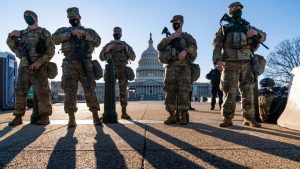 On January 3, 2026, the United States conducted a large-scale military operation in Venezuela that resulted in the capture of Venezuelan President Nicolás Maduro and his wife, Cilia Flores, and their transfer to the United States to face criminal charges. President Donald Trump publicly announced the success of the operation, which involved coordinated strikes in and around Caracas and culminated in Maduro’s removal from power. U.S. officials characterized the mission as necessary to enforce federal indictments against Maduro related to narcotics trafficking and terrorism-linked allegations. Maduro and Flores were subsequently arraigned in a federal courthouse in Manhattan, entering not guilty pleas to the charges they face.
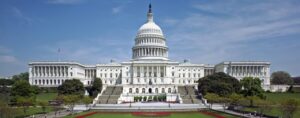 International reactions have mirrored this polarization. Many governments, especially in Latin America, Africa, and Asia, condemned the intervention as a violation of international law and of Venezuela’s sovereignty. Observers highlighted that capturing a sitting head of state through military force sets a contentious precedent and could undermine longstanding principles of non-intervention enshrined in the United Nations Charter. A U.N. emergency session underscored these concerns, with representatives from major world powers sharply divided over the legality and implications of the U.S. action.
 leaders loyal to Maduro’s government have challenged the U.S. narrative of his capture and legitimacy, resulting in competing assertions of authority within the country. This persistent ambiguity has fueled ongoing international concern about the risk of further conflict and humanitarian consequences for Venezuelan civilians.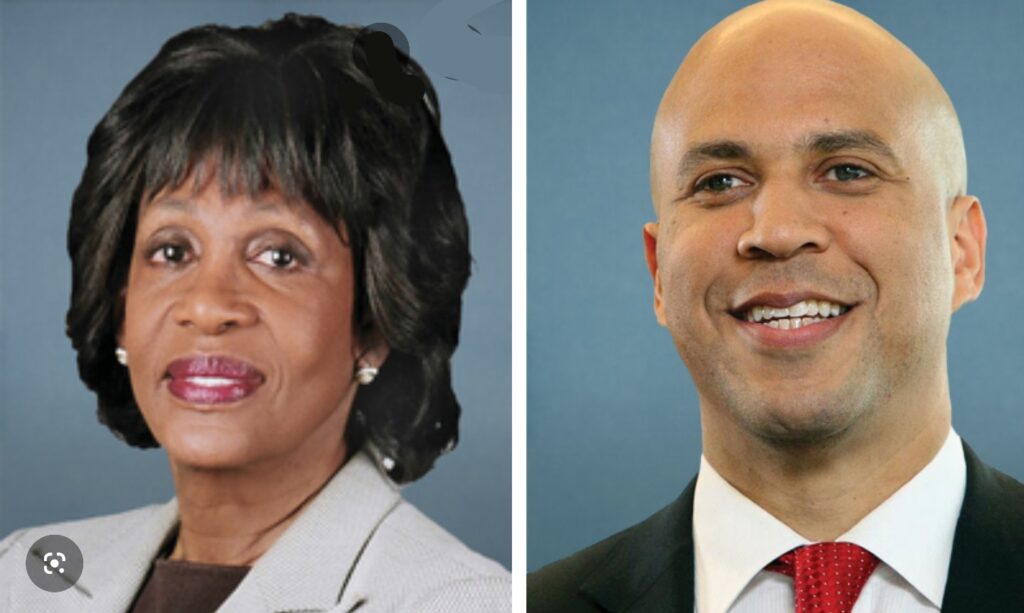
 The Fair Competition for Small Business Act seeks to close this enforcement gap by amending the Clayton Act to explicitly authorize state attorneys general to bring civil actions for monetary damages when violations of the Robinson-Patman Act occur. This change would place Robinson-Patman enforcement on similar footing with other federal antitrust laws, giving states the ability not only to stop unlawful practices but also to recover damages on behalf of affected businesses.
 Public reaction reflected in local, national, and industry-focused social media discussions has highlighted several recurring themes. Small business owners and advocacy groups have shared firsthand accounts of struggling to compete with larger rivals due to unequal pricing and contractual terms. Community organizations have emphasized the connection between independent retailers and neighborhood stability, noting that store closures can exacerbate food access challenges and economic decline, particularly in underserved areas. At the same time, policy analysts and legal commentators have pointed to recent regulatory actions and court filings as signs of renewed attention to antitrust enforcement more broadly, framing the legislation as part of a larger shift in competition policy.
 marketplace. They argue that meaningful competition depends not only on innovation and efficiency but also on rules that prevent dominant firms from using their size to exclude smaller rivals. By equipping state enforcers with stronger tools, the Fair Competition for Small Business Act aims to rebalance competitive conditions without imposing new regulatory frameworks.
 1man1vote:
  Over the course of a packed two-day schedule, Congresswoman Maxine Waters engaged with thousands of residents across Los Angeles County’s 43rd District, participating in seven major community events centered on public health, small business development, food security, veterans’ support, LGBTQ+ history, and youth-focused service initiatives. Across social media platforms, attendees documented an active weekend marked by large turnouts, community partnerships, and—in several cases—high levels of volunteer engagement.
 than 1,000 participants. As Co-Chair of the Congressional Task Force on Alzheimer’s Disease, she addressed the crowd with an emphasis on federal investment and caregiver support. She noted her longstanding collaboration with national Alzheimer’s organizations and highlighted the substantial growth in federal research funding achieved over the past decade.
 Basement’s newest South Bay location and its accompanying SnowFest celebration. The event drew families, outdoor recreation groups, and local officials.
 of LGBTQ+ civil rights leader Morris Kight’s ashes atop the Chapel of the Gower Mausoleum. Kight, a pioneering activist whose influence shaped both Los Angeles and the national movement, was commemorated by advocates, historians, and community partners.
 From Jesse Owens Park, the Congresswoman moved to Hawthorne VFW Post 2075 to assist with its annual Thanksgiving dinner for veterans. Established in 1943, the post is one of the oldest in the South Bay and continues to serve as a center of support, connection, and service.
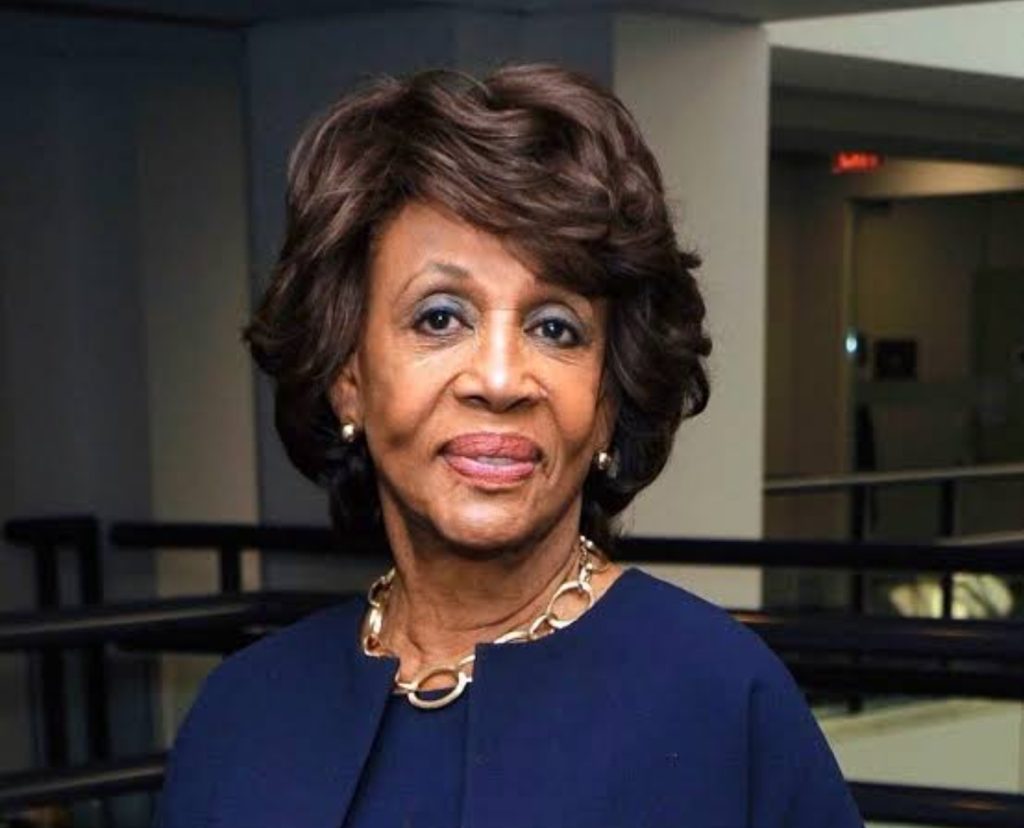 different dimension of community need. Her schedule ranged from health advocacy to LGBTQ+ historical recognition, and from family assistance efforts to fitness-based community gatherings.