Community Engagement Weekend: Congresswoman Maxine Waters’ Multi-Event Outreach Across the South Bay
 Over the course of a packed two-day schedule, Congresswoman Maxine Waters engaged with thousands of residents across Los Angeles County’s 43rd District, participating in seven major community events centered on public health, small business development, food security, veterans’ support, LGBTQ+ history, and youth-focused service initiatives. Across social media platforms, attendees documented an active weekend marked by large turnouts, community partnerships, and—in several cases—high levels of volunteer engagement.
What follows is an event-by-event account of Congresswoman Waters’ activities, organized chronologically.
**Saturday, November 22
Walk to End Alzheimer’s – Los Angeles**
Congresswoman Waters began her weekend at the Los Angeles Walk to End Alzheimer’s, joining more than 1,000 participants. As Co-Chair of the Congressional Task Force on Alzheimer’s Disease, she addressed the crowd with an emphasis on federal investment and caregiver support. She noted her longstanding collaboration with national Alzheimer’s organizations and highlighted the substantial growth in federal research funding achieved over the past decade.
Social media posts from volunteers and participants throughout the morning emphasized the walk’s high turnout and the significance of having a senior federal representative present, especially one closely aligned with national Alzheimer’s policy efforts.
**Saturday, November 22
Sports Basement South Bay/Hawthorne Grand Opening & SnowFest**
Immediately after the walk, the Congresswoman traveled to Hawthorne for the grand opening of Sports  Basement’s newest South Bay location and its accompanying SnowFest celebration. The event drew families, outdoor recreation groups, and local officials.
Congresswoman Waters’ remarks centered on the store’s investment in local hiring, recreational accessibility, and community partnerships. Online posts from attendees highlighted the festive atmosphere—particularly the outdoor activity demonstrations—and the novelty of the cooperative’s expansion into the region.
**Saturday, November 22
“Wobble Before You Gobble” Zumba Community Event, Gardena**
Later that morning, the Congresswoman joined the City of Gardena and the Inka Lions for a community Zumba event focused on fitness and seasonal giving. In addition to taking part in the physical activities, she assisted volunteers handing out canned goods to families.
Crowd-sourced media from participants showed a notably high level of resident engagement, including multigenerational families and youth groups. Commenters cited the event as an example of Gardena’s coordinated health-and-wellness outreach leading into the holiday season. In her remarks, Congresswoman Waters emphasized that shared moments of joy, exercise, and fellowship reinforce the resilience and unity of South Bay communities.
**Saturday, November 22
Morris Kight Memorial Ceremony – Hollywood Forever Cemetery**
In the afternoon, Congresswoman Waters participated in a memorial ceremony honoring the interment of LGBTQ+ civil rights leader Morris Kight’s ashes atop the Chapel of the Gower Mausoleum. Kight, a pioneering activist whose influence shaped both Los Angeles and the national movement, was commemorated by advocates, historians, and community partners.
Congresswoman Waters delivered reflections recognizing Kight’s lifelong pursuit of dignity and equity, underscoring the continuing relevance of his advocacy. Observers who shared the ceremony online noted the deeply respectful nature of the gathering and the broad representation of community organizations present.
**Sunday, November 23
Kinecta’s 52nd Annual Food Drive – Jesse Owens Park**
Congresswoman Waters began her second day at the longstanding Kinecta holiday food distribution, one of the region’s most enduring charitable traditions. Volunteers, nonprofit partners, and local families participated in the drive-up operation, which provided support to households facing economic strain. 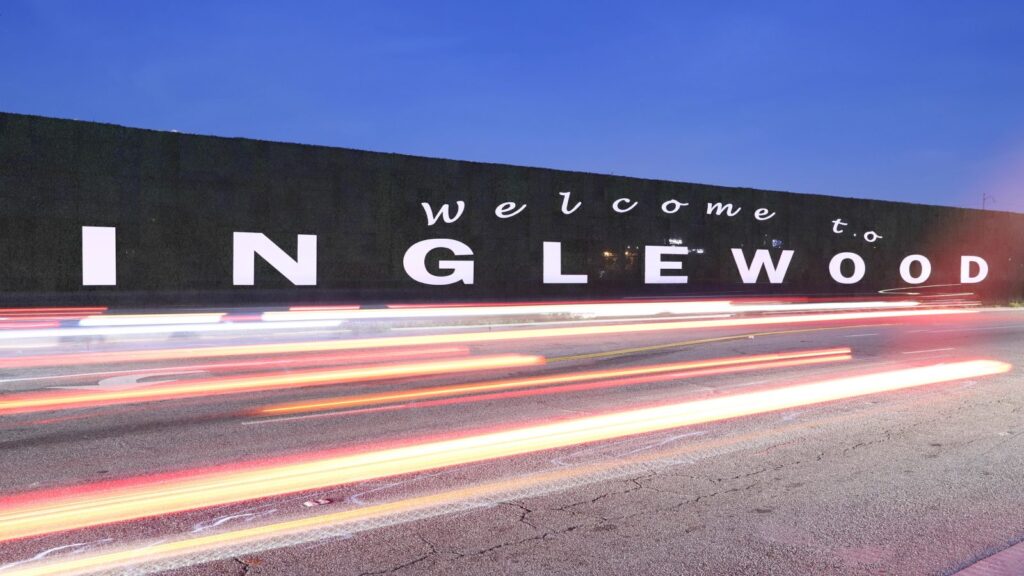
In her remarks, Congresswoman Waters pointed to rising costs of living and recognized the role of local institutions in meeting essential needs. Posts circulating on social media showed long lines of vehicles and a robust volunteer corps operating an efficient distribution process. Many commenters highlighted the food drive’s decades-long reputation for reliability and community focus.
**Sunday, November 23
Hawthorne VFW Post 2075 – 52nd Annual Thanksgiving Dinner for Veterans**
 From Jesse Owens Park, the Congresswoman moved to Hawthorne VFW Post 2075 to assist with its annual Thanksgiving dinner for veterans. Established in 1943, the post is one of the oldest in the South Bay and continues to serve as a center of support, connection, and service.
Congresswoman Waters helped prepare and serve meals and took time to greet veterans and their families individually. Attendees shared images online of the Congresswoman working alongside volunteers, with many expressing appreciation for the visibility of federal leadership at a local veterans’ event. In her remarks, she recognized the enduring sacrifices of military families and praised the post for its consistency in upholding traditions of honor and service.
**Sunday, November 23
Jr. Dixon Annual Gospel Musical Fundraiser & Toy Drive**
The Congresswoman concluded her weekend at the Jr. Dixon Annual Gospel Musical Fundraiser and Toy Drive at the Church of the Living God on Western Avenue. The event—now more than three and a half decades strong—combined musical performances with charitable giving for families facing hardship during the holiday season.
She honored Jr. Dixon’s long record of community service affirmed the importance of faith-based initiatives in expanding youth opportunities. Social media reports from attendees highlighted strong musical performances, a warm communal atmosphere, and generous toy donations filling collection areas throughout the event space.
A Weekend Defined by Presence, Partnership, and Public Service
Over two days, Congresswoman Waters participated in seven major public events—each reflecting a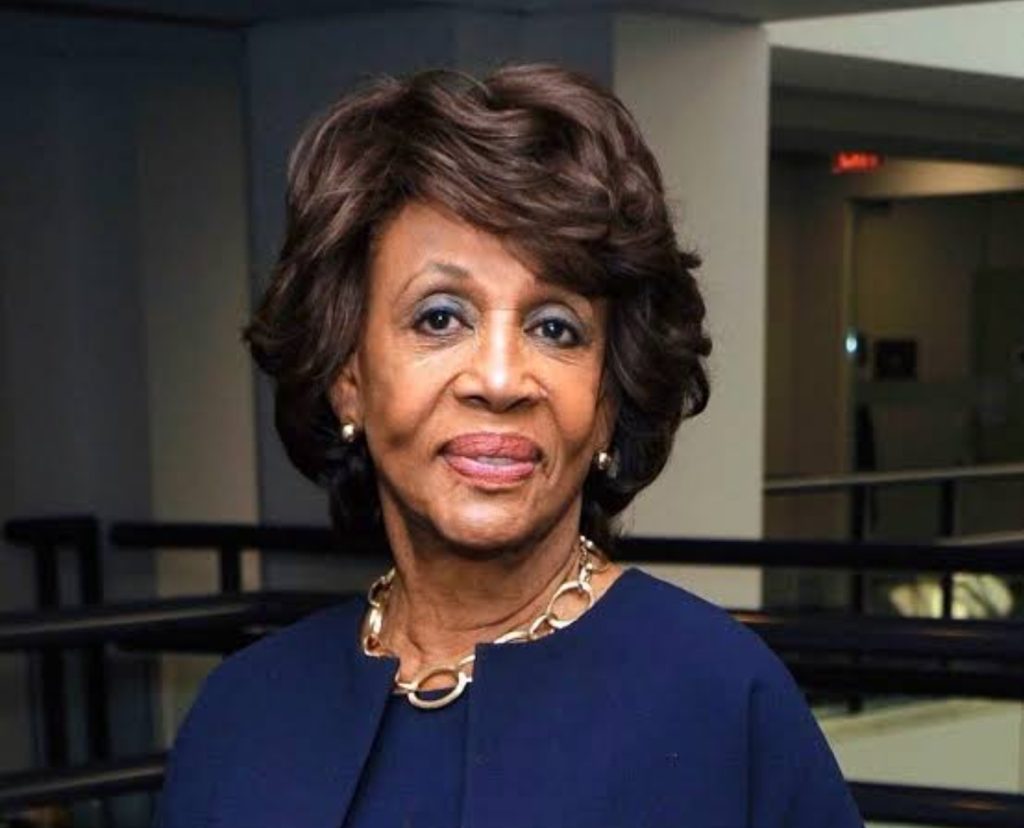 different dimension of community need. Her schedule ranged from health advocacy to LGBTQ+ historical recognition, and from family assistance efforts to fitness-based community gatherings.
Across social media, local observers consistently noted the breadth of her presence throughout the district. Many described the weekend as emblematic of her longstanding practice of remaining physically present and publicly accountable within CA-43, even while maintaining a demanding legislative role in Washington.
In closing remarks delivered at the final event of the weekend, Congresswoman Waters reflected that this work remains deeply meaningful to her. Framed in third-person narrative, she emphasized that whether she is advancing federal initiatives in Washington or assisting residents in neighborhood-level efforts at home, she remains committed to showing up, listening, and working directly alongside the people she serves.
One of the mantras that we often hear parroted up and down the right side of the political spectrum, focuses “on promises made – promises kept.” Once spewed, those words take on little meaning beyond the self-serving significance of a pretentious mandate. The words provide cover for the entire team. When questioned, they mention their constituents, but only to use them as the cover story that dwells beside their failed policies . Usually when they take or re-affirm their oath, they might mumble a promise to be the leader of all the people – even the ones that did not vote for them. But it is unlikely that those words are meant to include the idea of “service”.
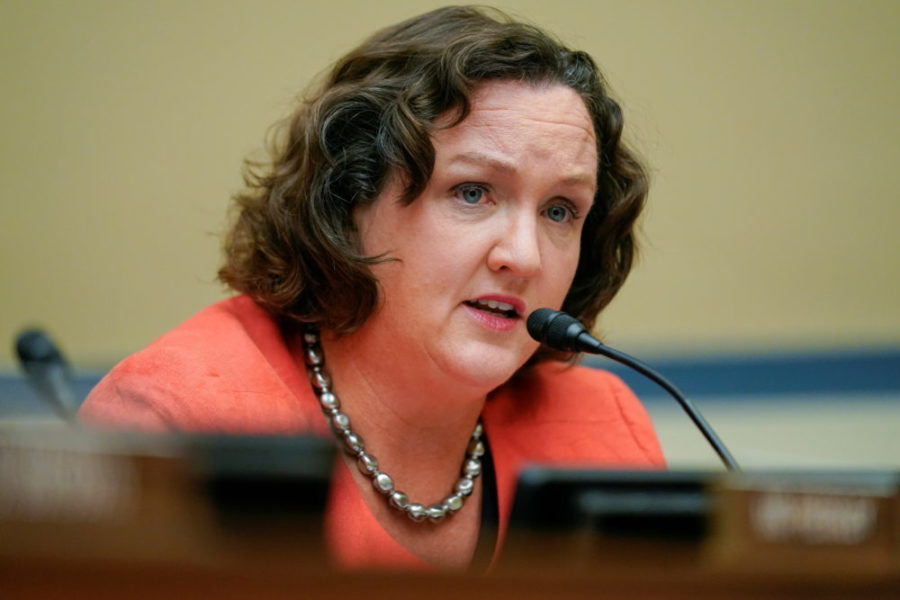
Congresswoman Maxine Waters also took the oath and ever so often, when she is not away, fighting the war of words in DC, she is here in the south bay area of Los Angeles’s 43rd district, meeting and greeting the constituents that she serves. It is that idea of “service” that is so sorely lacking in the authoritarian push for enforced, single minded subordination, over and above the idea of community, brotherhood, and society that Congresswoman Waters fights to serve.

 The City of Inglewood is entering a new phase of waste management as Republic Services continues implementing organic recycling requirements mandated under California Senate Bill 1383. The statewide law, designed to reduce short-lived climate pollutants, directs all jurisdictions to remove organic materials from landfills to help decrease methane emissions. Methane produced from decomposing food and yard waste has long been recognized as a significant contributor to greenhouse gas levels, prompting California to adopt some of the nation’s most aggressive organics diversion goals.
 Inglewood residents, these materials now belong in the green organics cart, which was rolled out citywide
  SB 1383 also contains a major food recovery provision aimed at reducing statewide food insecurity. The law requires the recovery of a share of edible food that would otherwise be discarded and supports redistribution networks that serve residents in need. This element of the law has received positive attention online from organizations involved in food assistance programs, who see the mandate as a promising complement to environmental objectives.
 had been reported missing in April 2024 from Lake Elsinore, California. The medical examiner described the remains as severely decomposed, and determined the death appeared to have occurred some time before the car was impounded. Authorities are investigating the case as a homicide, though no official charges have been announced.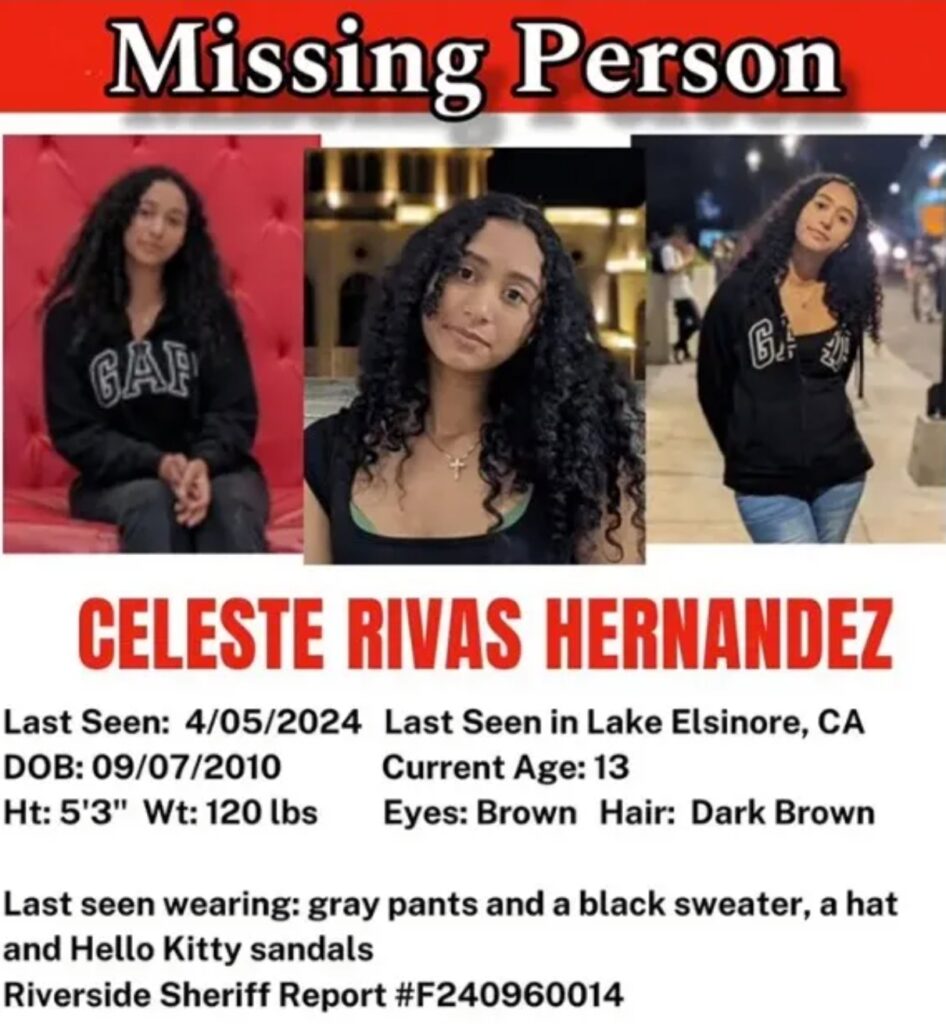



 Congresswoman Maxine Waters, on Friday sharply condemned the federal government’s handling of food-assistance payments as part of the ongoing funding standoff, and directed families in her district to local relief resources while the legal fight over SNAP continues.
 Waters’ statement pointed constituents to concrete, actionable resources in Los Angeles County and in the cities that fall within California’s 43rd Congressional District — including Inglewood, Hawthorne, Gardena, Lawndale, Compton and Torrance — where municipal and nonprofit networks are expanding emergency assistance while the federal picture remains unsettled. Her office listed phone and web contacts for food help and programs that serve seniors, families and young children.

 During a recent meeting of the Carson City Council in the City of Carson, California, a heated discussion emerged around the city’s paratransit service program — specifically the contract for its “Dial-A-Ride” service for seniors and disabled residents. The focal point: the proposed shift in contract from the longtime local provider Yellow Cab of Los Angeles (and its affiliate) to the ride-hailing giant Uber. From the remarks of Councilman Jawane Hilton of
 District 1, who anchored much of the discussion, the decision appears to have been shaped by resident testimony, service-quality concerns, and the unique transportation needs of seniors and disabled individuals.
 Uber currently lacks handicap-accessible vehicles and has a record of service complaints — risked undermining those relationships.
 avoid editorialising and conflating personal perspectives into a piece, however I put myself through college, driving a yellow cab, and spent considerable time behind the wheel of a Super Shuttle, or Uber and recently retired as a Metro driver. I was often in the seat, servicing Carson residents on the 246 line down Avalon.
 Urgent Communication
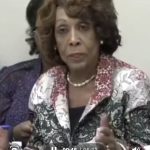 The office of Maxine Waters (D-CA) has issued a strong condemnation of what it describes as a “mass firing” at the U.S. Department of Housing and Urban Development (HUD) during the current federal government shutdown. On October 14, 2025, Waters — ranking Democrat on the House Financial Services Committee — released a statement asserting that roughly 442 HUD employees have been terminated, citing figures from the Office of Management and Budget (OMB).
 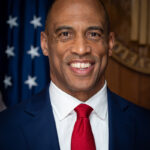 allegations that the agency under Scott Turner may be planning to shutter a significant portion of its regional presence. In April 2025 she sent a letter to the Government Accountability Office (GAO) and HUD’s Office of Inspector General seeking inquiry into whether HUD was meeting its legal obligations to maintain regional offices.