Nikki Minaj had to know that she would never truly be welcomed under the MEGA tent, and that her evolution would end in disaster. How could she expect to go from peddling “Ho” to pimping “Holy”.
Turning Point itself is in the midst of turning on itself, in what’s being called a civil war, with hoards of MEGA mooches scratching and clawing for control of that Charlie Kirk brand, money, and Christian/political messaging. Poor Erika Kirk has already stepped in it, trying to broaden the base by inviting a bunch of hip hopping social media ner-do-wells to join a pretentious cult. Nobody likes or trusts a benidict arnold, or a turn coat snitch. That is what Nikki represents to her liberal fan base, and it’s what she represents to far right stalwarts. In today’s identity politics, nthanothing is worse than identity “code switching.”
Nikki was hoping to get a pardon for her criminal boyfriend, and has now messed up her own money, as the fan base that she was trying to bring to market has kicked her to the curb, and MAGA does not trust Erika’s introduction of those people into their fold and will surely not accept their inclusion. Baby y’all chicks got to stay in ‘yo lane, and leave the manipulative, underhanded shenanigans to the true sharks, snakes, and charlatans on both sides.
On a recent day at the busy corner of Pico Boulevard and La Brea Avenue in Los Angeles, a spontaneous yet carefully organized community gathering unfolded that reflected the evolving food, art, and cultural landscape of Mid-City. At 4972 W. Pico Blvd., a well-known Black-owned New York–style pizzeria became the setting for a pop-up collaboration that drew neighbors, creatives, and longtime supporters into a shared public moment centered on food, local enterprise, and cultural expression.
The event was anchored by a partnership between Nehemiah Anderson, also known as Westside Five, and the shop’s proprietor, Esteban “Esco” Gutierrez. Together, they introduced a limited pop-up menu under the banner of Modder’s Kitchen, blending traditional New York pizza with Jamaican-inspired flavors. Two specialty offerings defined the collaboration: jerk chicken pizza and oxtail pizza. These items combined the familiar format of oversized New York slices with seasoning profiles more commonly associated with Caribbean cooking, creating a fusion that resonated with attendees without departing from the pizzeria’s core identity.
The location itself is already a recognized neighborhood fixture. Founded by Harlem native Esteban Gutierrez, the pizzeria has built its reputation on authentic New York–style pizza, emphasizing thin, crispy crusts and generously sized slices. Gutierrez brings more than 20 years of experience rooted in his father’s New York pizzeria, and that lineage is central to the shop’s appeal. For many patrons—particularly former East Coast residents—the taste and presentation closely match what they remember from New York City. This consistency has helped the business earn a loyal following in Mid-City Los Angeles.
Beyond pizza, the shop offers a broad menu that includes wings, salads, customizable calzones, and desserts such as Nutella knots, which are frequently cited by customers as a standout item. Vegan options are a notable part of the menu, with clearly labeled plant-based slices such as vegan Margherita, Veggie, and Pesto Cheese. These pizzas use vegan cheese sourced from local providers like Vromage, reinforcing the business’s emphasis on local partnerships and inclusive dining options.
The Pico and La Brea location is known not only for its food but also for its atmosphere. The interior features New York–inspired decor, including a Knicks-themed logo and design elements that reference subway cars in some areas. While there is limited indoor and outdoor seating, the shop is widely regarded as a takeout-friendly spot where customers often interact directly with Gutierrez himself. His visible presence and engagement with patrons are frequently mentioned in local and social media posts as part of what makes the establishment feel personal and community oriented.
That sense of community was amplified during the pop-up event. Alongside the food collaboration, the gathering featured on-the-spot apparel printing by Taylor’s Tees, producing shirts and caps for attendees in real time. Sleep Dawg’s classic artistic designs were also present, adding a visual and cultural layer to the event. Together, these elements transformed the corner of Pico and La Brea into more than a food stop; it became a temporary outdoor showcase for local creativity and small business collaboration.
According to posts and images shared on social media, the turnout included a broad cross-section of the neighborhood, with people stopping by for slices, conversation, and merchandise. The event unfolded without formal staging or ticketing, reinforcing its open, accessible nature. Music, casual conversation, and foot traffic contributed to an atmosphere that resembled a block-level celebration rather than a conventional promotional event.
In 2025, the business continues to operate as a Black-, Latino-, and woman-owned enterprise, with Gutierrez partnered with entrepreneur Aryn Drake-Lee. The shop is open daily from 11:00 a.m. to 11:00 p.m. and offers dine-in, takeout, and catering services. Popular menu items include Margherita and pepperoni slices, typically priced around six dollars, as well as specialty offerings like white clam pizza finished with fresh lemon. Orders can be placed in person or through online platforms such as Slice and the shop’s official website.
Events like the Modder’s Kitchen pop-up reflect how the pizzeria positions itself beyond a standard food business. By hosting local collaborations and welcoming artists, designers, and chefs into the space, the shop reinforces its role as a neighborhood hub. Social media reactions to the Pico and La Brea gathering highlighted appreciation for both the food and the sense of collective presence, with particular attention given to the jerk chicken and oxtail pizzas as well as the opportunity to support multiple local brands at once.
At its core, the gathering demonstrated how a single corner in Mid-City Los Angeles can serve as a meeting point for culinary tradition, cultural fusion, and community engagement. Without speculation or exaggeration, the event reflected what the pizzeria has consistently aimed to provide: authentic food, open doors, and a space where local partnerships are not an exception but part of the everyday rhythm of the neighborhood.
BTW. In the spirit of Stevie Wonder’s Bus Full of Toys, the brothers placed a cap on the spirit of Christmas. These young entrepreneurs stepped up their game, one more leg up, sponsoring a walk-up toy giveaway, dubbed “Table Full of Toys.” These young fellas thought of every little thing. Keep up the good work.
Congresswoman Maxine Waters and Senator Cory Booker Introduce Fair Competition for Small Business Act to Bolster Antitrust Enforcement and Protect Independent Retailers
WASHINGTON, D.C. — On December 19, 2025, Representative Maxine Waters of California and Senator Cory Booker of New Jersey formally introduced the Fair Competition for Small Business Act of 2025, bicameral legislation aimed at strengthening antitrust enforcement and addressing long-standing disparities that disadvantage small and independent businesses. The House and Senate bills focus on reviving and reinforcing enforcement of the Robinson-Patman Act, a federal law intended to prevent price discrimination that harms competition.
Independent grocers and other small retailers occupy a critical role in the U.S. economy. They provide employment, sustain local tax bases, and ensure access to essential goods in communities that large chains may overlook. Industry data frequently cited in policy discussions show that independent grocers alone support more than one million jobs nationwide and generate tens of billions of dollars in wages annually. Despite their economic and social importance, these businesses continue to face structural disadvantages when competing against national and multinational retail chains.
At the center of the problem addressed by the legislation is the imbalance of market power between large retailers and smaller buyers. Large chains are often able to leverage their scale to obtain lower wholesale prices, rebates, and more favorable payment terms from suppliers. Smaller retailers, lacking comparable bargaining power, frequently pay higher prices for identical products. These higher costs are either absorbed, narrowing already-thin margins, or passed on to consumers, making small businesses appear less competitive on price.
The Robinson-Patman Act was enacted to curb precisely this type of discriminatory pricing. However, enforcement of the statute has been limited for decades. While federal agencies retain primary authority, enforcement actions have been rare, and the burden of pursuing cases has often fallen on private litigants with limited resources. State attorneys general are permitted to enforce the law, but under current statutes their remedies are largely confined to injunctive relief, preventing future conduct without addressing past financial harm.
The Fair Competition for Small Business Act seeks to close this enforcement gap by amending the Clayton Act to explicitly authorize state attorneys general to bring civil actions for monetary damages when violations of the Robinson-Patman Act occur. This change would place Robinson-Patman enforcement on similar footing with other federal antitrust laws, giving states the ability not only to stop unlawful practices but also to recover damages on behalf of affected businesses.
Supporters argue that this expanded authority would have both remedial and deterrent effects. Allowing states to pursue damages could help small businesses recover losses linked to discriminatory pricing, while also discouraging suppliers and dominant retailers from engaging in practices that undermine fair competition. Proponents emphasize that the legislation does not create new antitrust standards but instead strengthens enforcement of existing law.
Public reaction reflected in local, national, and industry-focused social media discussions has highlighted several recurring themes. Small business owners and advocacy groups have shared firsthand accounts of struggling to compete with larger rivals due to unequal pricing and contractual terms. Community organizations have emphasized the connection between independent retailers and neighborhood stability, noting that store closures can exacerbate food access challenges and economic decline, particularly in underserved areas. At the same time, policy analysts and legal commentators have pointed to recent regulatory actions and court filings as signs of renewed attention to antitrust enforcement more broadly, framing the legislation as part of a larger shift in competition policy.
The bill has drawn support from a wide range of stakeholders, including grocers’ associations, farm advocates, antitrust researchers, and small business coalitions. Advocates for agricultural producers have noted that discriminatory pricing practices can affect not only retailers but also farmers, who may find themselves squeezed by powerful buyers in concentrated markets. Research organizations focused on local economies have argued that under-enforcement of antitrust laws has contributed to consolidation, higher consumer prices, and reduced choice.
Critics and skeptics, as reflected in some policy discussions, have raised questions about litigation burdens and the potential for inconsistent enforcement across states. However, supporters counter that state attorneys general already play a central role in enforcing federal antitrust laws and that expanding their authority under the Robinson-Patman Act would enhance coordination rather than create fragmentation.
Representative Waters and Senator Booker have framed the legislation as a practical step toward restoring fairness in the marketplace. They argue that meaningful competition depends not only on innovation and efficiency but also on rules that prevent dominant firms from using their size to exclude smaller rivals. By equipping state enforcers with stronger tools, the Fair Competition for Small Business Act aims to rebalance competitive conditions without imposing new regulatory frameworks.
As Congress considers the proposal, attention is likely to remain focused on the broader implications for antitrust policy, market concentration, and the survival of Main Street businesses. For independent retailers and the communities they serve, the legislation represents a potential shift toward more robust enforcement of long-standing protections designed to ensure that size and scale do not become insurmountable barriers to fair competition.
The Fair Competition for Small Business Act of 2025 is cosponsored by U.S. Representatives Jerry Nadler (NY-10), Eleanor Holmes Norton (DC), Bennie G. Thompson (MS-2), Jake Auchincloss (MA-4), Pramila Jayapal (WA-7), Cleo Fields (LA-6), Hank Johnson (GA-4), Alexandria Ocasio-Cortez (NY-14), Rebecca Balint (VT), Andre Carson (IN-7), Dwight Evans (PA-3).
1man1vote:The resident, Donald Trump appears open to the concept of utilizing tax legislation to create a more equitable competitive environment. Given that churches benefit from 501(c)(3) charitable tax-exempt status, small businesses that struggle to compete with large corporations could potentially benefit from receiving a 501(c)(4) social welfare status.
Inglewood’s 2025 Holiday Tree Lighting Ceremony Marked a Successful Start to the Season
Inglewood’s annual Holiday Tree Lighting Ceremony took place on Wednesday, December 3, 2025, and stood out as one of the city’s most well-attended community traditions of the year. The event, held at the Kia Forum near the EV6 Gate off Kareem Court, ran from 5:00 p.m. to 8:00 p.m. and brought together families, neighborhood groups, and local stakeholders in a celebration that emphasized unity, generosity, and seasonal tradition.
The evening began with a parade along Prairie Avenue, which concluded shortly before the formal tree lighting at 6:30 p.m. Residents and visitors lined the route, and social-media posts across local community channels consistently noted the parade’s strong turnout and the enthusiasm of participants representing youth programs, civic organizations, and volunteer groups. Attendees captured images of decorated vehicles, coordinated dance groups, and marching units that highlighted the city’s cultural diversity.
Activity at the Forum grew steadily as crowds transitioned from the parade route to the EV6 Gate area. Families circulated through Santa’s Village, which had been arranged with craft stations, holiday décor, and a designated photo area for visits with Santa. According to posts shared on neighborhood platforms, parents reported short wait times and efficient coordination by event staff, which allowed children to move easily between craft tables, game booths, and the popular hot-chocolate stand. Multiple accounts also referenced the availability of seasonal treats, which were distributed throughout the evening by volunteers and city staff.
One of the most frequently mentioned features was the snow zone, a recurring attraction that offered children an opportunity to play in manufactured snow. Social-media imagery showed consistent crowd engagement, with families remarking that the snow area remained active from the beginning of the event until closing. For many younger attendees, this component served as the highlight of the night.
The city’s annual toy giveaway, conducted in partnership with local organizations and Forum-based facilitators, remained a central draw. Community posts reported long but orderly lines, and photos showed volunteers organizing distributions efficiently. Families described the process as well structured, and comments across various platforms emphasized the value of the giveaway for households preparing for the holiday season. As in prior years, the distribution prioritized children from families experiencing economic hardship, which reinforced the event’s emphasis on community support.
Musical performances and holiday-themed entertainment filled the space throughout the evening. Observers noted that the sound system carried clearly across the Forum plaza, contributing to the overall festive atmosphere. Several neighborhood accounts referenced the inclusion of local youth groups and choirs that performed brief sets leading up to the tree-lighting moment.
At 6:30 p.m., city officials initiated the lighting of the holiday tree. Crowd videos showed a collective countdown, followed by applause as the display illuminated the plaza. The lighting served as the symbolic start of the holiday season in the “City of Champions,” and participants shared images of the tree across multiple platforms well into the night.
Crowd-sourced reporting from local, national, and international observers who monitor major public gatherings identified no major disruptions. Feedback across public channels characterized the event as well managed, with efficient crowd flow and positive interactions among attendees. Consistently noted features included accessible entry points, visible security coordination, and the availability of staff to guide families through the various activity zones.
The city’s partnership with the Kia Forum again demonstrated Inglewood’s capacity to host large-scale civic events. Many commenters from the region emphasized that the collaboration allowed for adequate space, structured programming, and a central location that was familiar to residents. By maintaining long-standing civic traditions while incorporating activities tailored for families, the 2025 ceremony reflected the city’s approach to building community identity during the holiday season.
By the time the event concluded at 8:00 p.m., the sentiment expressed across community networks reflected the same message: the 2025 Holiday Tree Lighting Ceremony had delivered a successful, well-organized, and inclusive celebration. For Inglewood residents, it marked the beginning of the holiday period with a renewed focus on togetherness, neighborhood pride, and the collective spirit that continues to define the city’s signature festivities.
Community Engagement Weekend: Congresswoman Maxine Waters’ Multi-Event Outreach Across the South Bay
Over the course of a packed two-day schedule, Congresswoman Maxine Waters engaged with thousands of residents across Los Angeles County’s 43rd District, participating in seven major community events centered on public health, small business development, food security, veterans’ support, LGBTQ+ history, and youth-focused service initiatives. Across social media platforms, attendees documented an active weekend marked by large turnouts, community partnerships, and—in several cases—high levels of volunteer engagement.
What follows is an event-by-event account of Congresswoman Waters’ activities, organized chronologically.
**Saturday, November 22
Walk to End Alzheimer’s – Los Angeles**
Congresswoman Waters began her weekend at the Los Angeles Walk to End Alzheimer’s, joining more than 1,000 participants. As Co-Chair of the Congressional Task Force on Alzheimer’s Disease, she addressed the crowd with an emphasis on federal investment and caregiver support. She noted her longstanding collaboration with national Alzheimer’s organizations and highlighted the substantial growth in federal research funding achieved over the past decade.
Social media posts from volunteers and participants throughout the morning emphasized the walk’s high turnout and the significance of having a senior federal representative present, especially one closely aligned with national Alzheimer’s policy efforts.
**Saturday, November 22
Sports Basement South Bay/Hawthorne Grand Opening & SnowFest**
Immediately after the walk, the Congresswoman traveled to Hawthorne for the grand opening of Sports Basement’s newest South Bay location and its accompanying SnowFest celebration. The event drew families, outdoor recreation groups, and local officials.
Congresswoman Waters’ remarks centered on the store’s investment in local hiring, recreational accessibility, and community partnerships. Online posts from attendees highlighted the festive atmosphere—particularly the outdoor activity demonstrations—and the novelty of the cooperative’s expansion into the region.
**Saturday, November 22
“Wobble Before You Gobble” Zumba Community Event, Gardena**
Later that morning, the Congresswoman joined the City of Gardena and the Inka Lions for a community Zumba event focused on fitness and seasonal giving. In addition to taking part in the physical activities, she assisted volunteers handing out canned goods to families.
Crowd-sourced media from participants showed a notably high level of resident engagement, including multigenerational families and youth groups. Commenters cited the event as an example of Gardena’s coordinated health-and-wellness outreach leading into the holiday season. In her remarks, Congresswoman Waters emphasized that shared moments of joy, exercise, and fellowship reinforce the resilience and unity of South Bay communities.
**Saturday, November 22
Morris Kight Memorial Ceremony – Hollywood Forever Cemetery**
In the afternoon, Congresswoman Waters participated in a memorial ceremony honoring the interment of LGBTQ+ civil rights leader Morris Kight’s ashes atop the Chapel of the Gower Mausoleum. Kight, a pioneering activist whose influence shaped both Los Angeles and the national movement, was commemorated by advocates, historians, and community partners.
Congresswoman Waters delivered reflections recognizing Kight’s lifelong pursuit of dignity and equity, underscoring the continuing relevance of his advocacy. Observers who shared the ceremony online noted the deeply respectful nature of the gathering and the broad representation of community organizations present.
Congresswoman Waters began her second day at the longstanding Kinecta holiday food distribution, one of the region’s most enduring charitable traditions. Volunteers, nonprofit partners, and local families participated in the drive-up operation, which provided support to households facing economic strain.
In her remarks, Congresswoman Waters pointed to rising costs of living and recognized the role of local institutions in meeting essential needs. Posts circulating on social media showed long lines of vehicles and a robust volunteer corps operating an efficient distribution process. Many commenters highlighted the food drive’s decades-long reputation for reliability and community focus.
**Sunday, November 23
Hawthorne VFW Post 2075 – 52nd Annual Thanksgiving Dinner for Veterans**
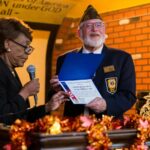
From Jesse Owens Park, the Congresswoman moved to Hawthorne VFW Post 2075 to assist with its annual Thanksgiving dinner for veterans. Established in 1943, the post is one of the oldest in the South Bay and continues to serve as a center of support, connection, and service.
Congresswoman Waters helped prepare and serve meals and took time to greet veterans and their families individually. Attendees shared images online of the Congresswoman working alongside volunteers, with many expressing appreciation for the visibility of federal leadership at a local veterans’ event. In her remarks, she recognized the enduring sacrifices of military families and praised the post for its consistency in upholding traditions of honor and service.
**Sunday, November 23
Jr. Dixon Annual Gospel Musical Fundraiser & Toy Drive**
The Congresswoman concluded her weekend at the Jr. Dixon Annual Gospel Musical Fundraiser and Toy Drive at the Church of the Living God on Western Avenue. The event—now more than three and a half decades strong—combined musical performances with charitable giving for families facing hardship during the holiday season.
She honored Jr. Dixon’s long record of community service affirmed the importance of faith-based initiatives in expanding youth opportunities. Social media reports from attendees highlighted strong musical performances, a warm communal atmosphere, and generous toy donations filling collection areas throughout the event space.
A Weekend Defined by Presence, Partnership, and Public Service
Over two days, Congresswoman Waters participated in seven major public events—each reflecting a different dimension of community need. Her schedule ranged from health advocacy to LGBTQ+ historical recognition, and from family assistance efforts to fitness-based community gatherings.
Across social media, local observers consistently noted the breadth of her presence throughout the district. Many described the weekend as emblematic of her longstanding practice of remaining physically present and publicly accountable within CA-43, even while maintaining a demanding legislative role in Washington.
In closing remarks delivered at the final event of the weekend, Congresswoman Waters reflected that this work remains deeply meaningful to her. Framed in third-person narrative, she emphasized that whether she is advancing federal initiatives in Washington or assisting residents in neighborhood-level efforts at home, she remains committed to showing up, listening, and working directly alongside the people she serves.
One of the mantras that we often hear parroted up and down the right side of the political spectrum, focuses “on promises made – promises kept.” Once spewed, those words take on little meaning beyond the self-serving significance of a pretentious mandate. The words provide cover for the entire team. When questioned, they mention their constituents, but only to use them as the cover story that dwells beside their failed policies . Usually when they take or re-affirm their oath, they might mumble a promise to be the leader of all the people – even the ones that did not vote for them. But it is unlikely that those words are meant to include the idea of “service”.
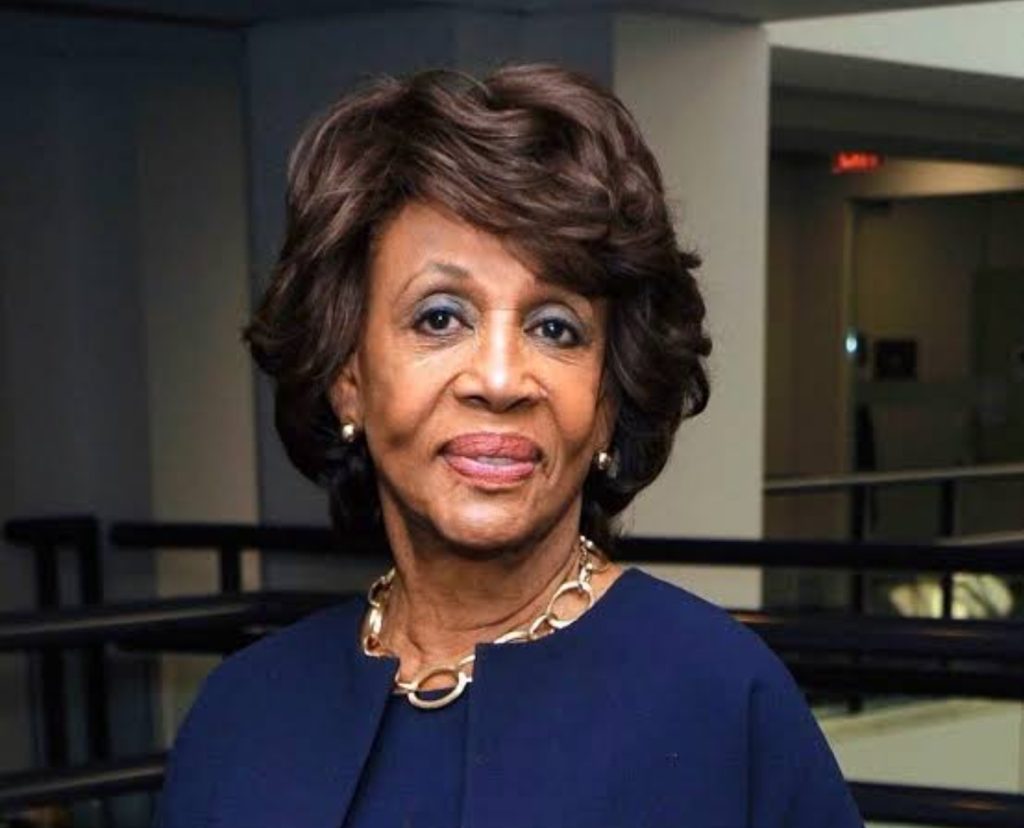
Congresswoman Maxine Waters also took the oath and ever so often, when she is not away, fighting the war of words in DC, she is here in the south bay area of Los Angeles’s 43rd district, meeting and greeting the constituents that she serves. It is that idea of “service” that is so sorely lacking in the authoritarian push for enforced, single minded subordination, over and above the idea of community, brotherhood, and society that Congresswoman Waters fights to serve.

 Nikki Minaj had to know that she would never truly be welcomed under the MEGA tent, and that her evolution would end in disaster. How could she expect to go from peddling “Ho” to pimping “Holy”.
 stepped in it, trying to broaden the base by inviting a bunch of hip hopping social media ner-do-wells to join a pretentious cult. Nobody likes or trusts a benidict arnold, or a turn coat snitch. That is what Nikki represents to her liberal fan base, and it’s what she represents to far right stalwarts. In today’s identity politics, nthanothing is worse than identity “code switching.”
 Baby y’all chicks got to stay in ‘yo lane, and leave the manipulative, underhanded shenanigans to the true sharks, snakes, and charlatans on both sides.
 On a recent day at the busy corner of Pico Boulevard and La Brea Avenue in Los Angeles, a spontaneous yet carefully organized community gathering unfolded that reflected the evolving food, art, and cultural landscape of Mid-City. At 4972 W. Pico Blvd., a well-known Black-owned New York–style pizzeria became the setting for a pop-up collaboration that drew neighbors, creatives, and longtime supporters into a shared public moment centered on food, local enterprise, and cultural expression.
 The location itself is already a recognized neighborhood fixture. Founded by Harlem native Esteban Gutierrez, the pizzeria has built its reputation on authentic New York–style pizza, emphasizing thin, crispy crusts and generously sized slices. Gutierrez brings more than 20 years of experience rooted in his father’s New York pizzeria, and that lineage is central to the shop’s appeal. For many patrons—particularly former East Coast residents—the taste and presentation closely match what they remember from New York City. This consistency has helped the business earn a loyal following in Mid-City Los Angeles.
 Nutella knots, which are frequently cited by customers as a standout item. Vegan options are a notable part of the menu, with clearly labeled plant-based slices such as vegan Margherita, Veggie, and Pesto Cheese. These pizzas use vegan cheese sourced from local providers like Vromage, reinforcing the business’s emphasis on local partnerships and inclusive dining options.
 In 2025, the business continues to operate as a Black-, Latino-, and woman-owned enterprise, with Gutierrez partnered with entrepreneur Aryn Drake-Lee. The shop is open daily from 11:00 a.m. to 11:00 p.m. and offers dine-in, takeout, and catering services. Popular menu items include Margherita and pepperoni slices, typically priced around six dollars, as well as specialty offerings like white clam pizza finished with fresh lemon. Orders can be placed in person or through online platforms such as Slice and the shop’s official website.
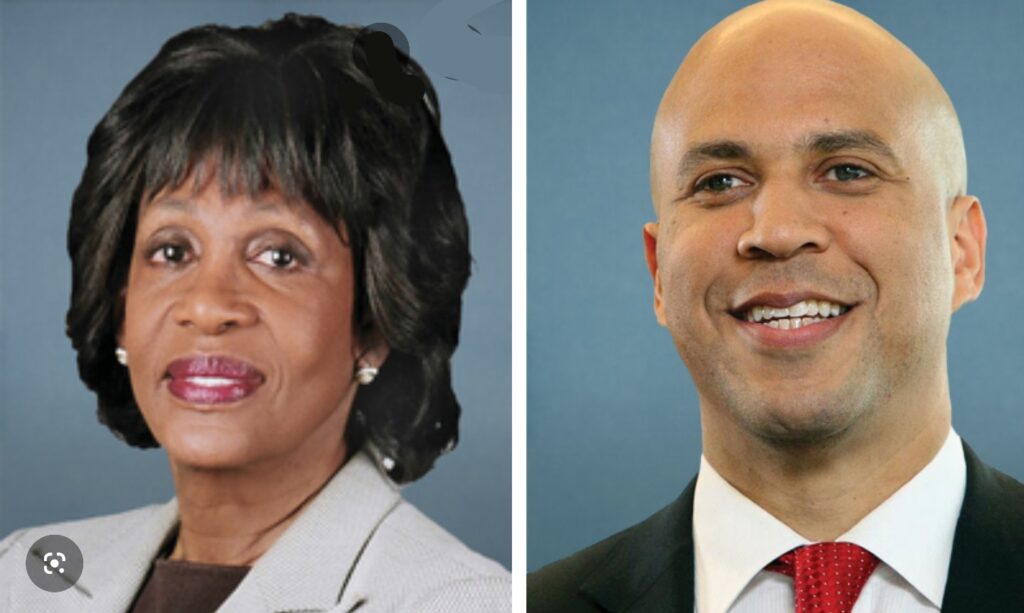
 The Fair Competition for Small Business Act seeks to close this enforcement gap by amending the Clayton Act to explicitly authorize state attorneys general to bring civil actions for monetary damages when violations of the Robinson-Patman Act occur. This change would place Robinson-Patman enforcement on similar footing with other federal antitrust laws, giving states the ability not only to stop unlawful practices but also to recover damages on behalf of affected businesses.
 Public reaction reflected in local, national, and industry-focused social media discussions has highlighted several recurring themes. Small business owners and advocacy groups have shared firsthand accounts of struggling to compete with larger rivals due to unequal pricing and contractual terms. Community organizations have emphasized the connection between independent retailers and neighborhood stability, noting that store closures can exacerbate food access challenges and economic decline, particularly in underserved areas. At the same time, policy analysts and legal commentators have pointed to recent regulatory actions and court filings as signs of renewed attention to antitrust enforcement more broadly, framing the legislation as part of a larger shift in competition policy.
 marketplace. They argue that meaningful competition depends not only on innovation and efficiency but also on rules that prevent dominant firms from using their size to exclude smaller rivals. By equipping state enforcers with stronger tools, the Fair Competition for Small Business Act aims to rebalance competitive conditions without imposing new regulatory frameworks.
 1man1vote: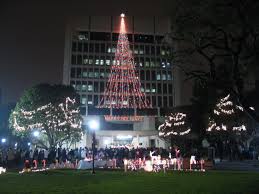
 Over the course of a packed two-day schedule, Congresswoman Maxine Waters engaged with thousands of residents across Los Angeles County’s 43rd District, participating in seven major community events centered on public health, small business development, food security, veterans’ support, LGBTQ+ history, and youth-focused service initiatives. Across social media platforms, attendees documented an active weekend marked by large turnouts, community partnerships, and—in several cases—high levels of volunteer engagement.
 than 1,000 participants. As Co-Chair of the Congressional Task Force on Alzheimer’s Disease, she addressed the crowd with an emphasis on federal investment and caregiver support. She noted her longstanding collaboration with national Alzheimer’s organizations and highlighted the substantial growth in federal research funding achieved over the past decade.
 Basement’s newest South Bay location and its accompanying SnowFest celebration. The event drew families, outdoor recreation groups, and local officials.
 of LGBTQ+ civil rights leader Morris Kight’s ashes atop the Chapel of the Gower Mausoleum. Kight, a pioneering activist whose influence shaped both Los Angeles and the national movement, was commemorated by advocates, historians, and community partners.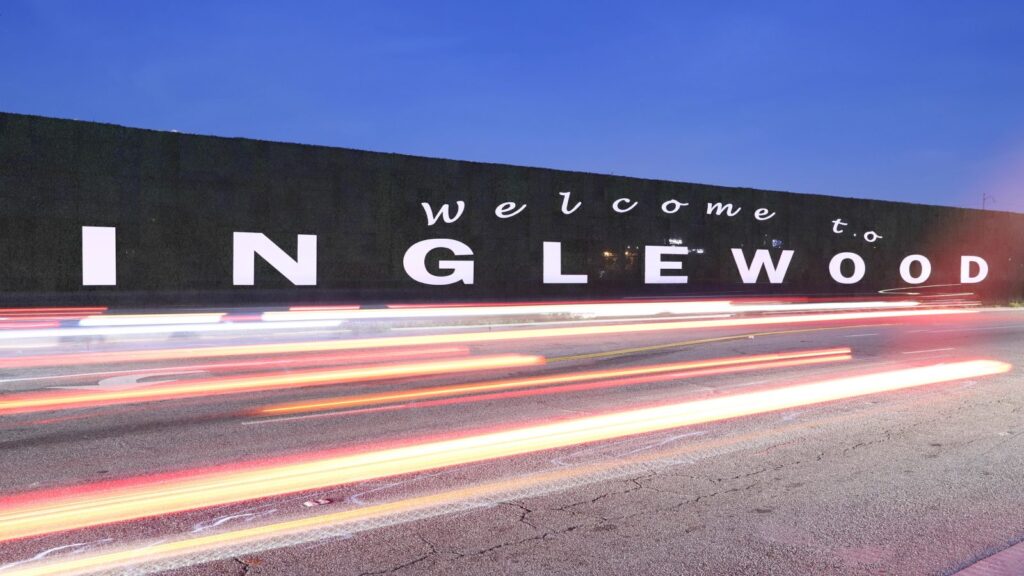
 From Jesse Owens Park, the Congresswoman moved to Hawthorne VFW Post 2075 to assist with its annual Thanksgiving dinner for veterans. Established in 1943, the post is one of the oldest in the South Bay and continues to serve as a center of support, connection, and service.
 different dimension of community need. Her schedule ranged from health advocacy to LGBTQ+ historical recognition, and from family assistance efforts to fitness-based community gatherings.