A New Phase in Inglewood Waste Management as Organics Recycling Requirements Expand
 The City of Inglewood is entering a new phase of waste management as Republic Services continues implementing organic recycling requirements mandated under California Senate Bill 1383. The statewide law, designed to reduce short-lived climate pollutants, directs all jurisdictions to remove organic materials from landfills to help decrease methane emissions. Methane produced from decomposing food and yard waste has long been recognized as a significant contributor to greenhouse gas levels, prompting California to adopt some of the nation’s most aggressive organics diversion goals.
Organic waste encompasses a broad array of everyday materials: fruit and vegetable scraps, meat and dairy remnants, grains, bones, eggshells, coffee grounds, tea leaves, food-soiled paper, and a full range of yard trimmings. For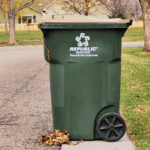 Inglewood residents, these materials now belong in the green organics cart, which was rolled out citywide beginning in 2022. While many residents were accustomed to placing only lawn debris in green bins, the new program requires adding household food waste and eligible paper to the same container. Republic Services has emphasized that proper separation is essential for efficient processing and compliance.
Under SB 1383, waste haulers and cities must conduct routine contamination monitoring. In practice, this means Republic Services staff periodically inspect carts to verify correct use and reduce mixing between recyclables, organics, and landfill trash. These inspections have been observed throughout Inglewood neighborhoods and, according to user-generated reports across various social media platforms, have generally been met with a mix of curiosity and adjustment as residents acclimate to the expanded rules.
The processing cycle itself is designed to support a broader circular economy. After green cart materials are collected, trucks transport the waste to facilities where it is turned into compost. The resulting product becomes nutrient-rich fertilizer used by landscapers, golf courses, and private customers. Inglewood residents also benefit from an annual compost giveaway, which has become an opportunity for community engagement around the new recycling practices.
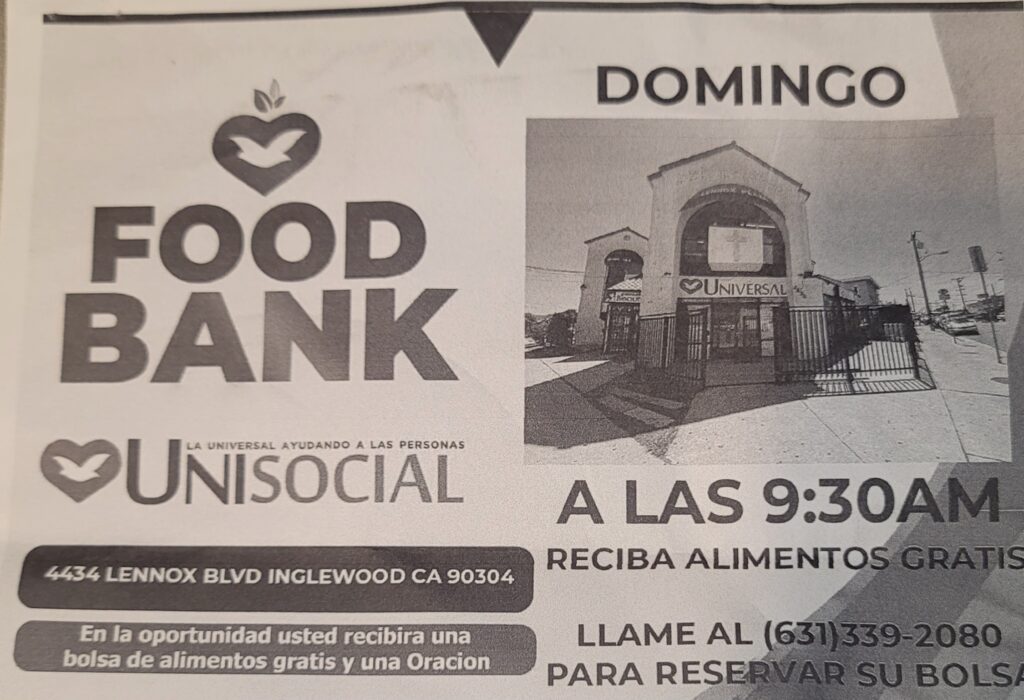
 SB 1383 also contains a major food recovery provision aimed at reducing statewide food insecurity. The law requires the recovery of a share of edible food that would otherwise be discarded and supports redistribution networks that serve residents in need. This element of the law has received positive attention online from organizations involved in food assistance programs, who see the mandate as a promising complement to environmental objectives.
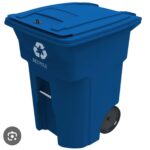
In addition to organics collection, Republic Services continues to operate the city’s recycling and trash programs with updated guidance. Accepted recyclable materials include plastics numbered one through seven, metal cans, glass containers, and a wide variety of paper products and cardboard. Trash carts remain reserved for non-recyclable, non-organic items such as polystyrene foam, broken dishware, plastic utensils, diapers, packing materials, pet waste, and other routine household refuse.
The city also provides several ancillary waste services. Residents may request unlimited bulk item pickups each year, and commercial customers may schedule larger removals for a fee. Household batteries are collected separately when placed bagged on top of recycling carts. Inglewood participates in the regional holiday tree recycling program, accepting undecorated trees beginning the first collection day after Christmas. For medication disposal, a designated drop-off is maintained at a local pharmacy, with additional permanent sites listed through federal resources.
As Inglewood residents continue adapting to the evolving regulatory environment, the city and Republic Services remain focused on education, annual tenant training requirements, and consistent program enforcement. The transition marks a significant shift in everyday waste habits, but one aligned with the state’s long-term climate strategy and community-level environmental stewardship.
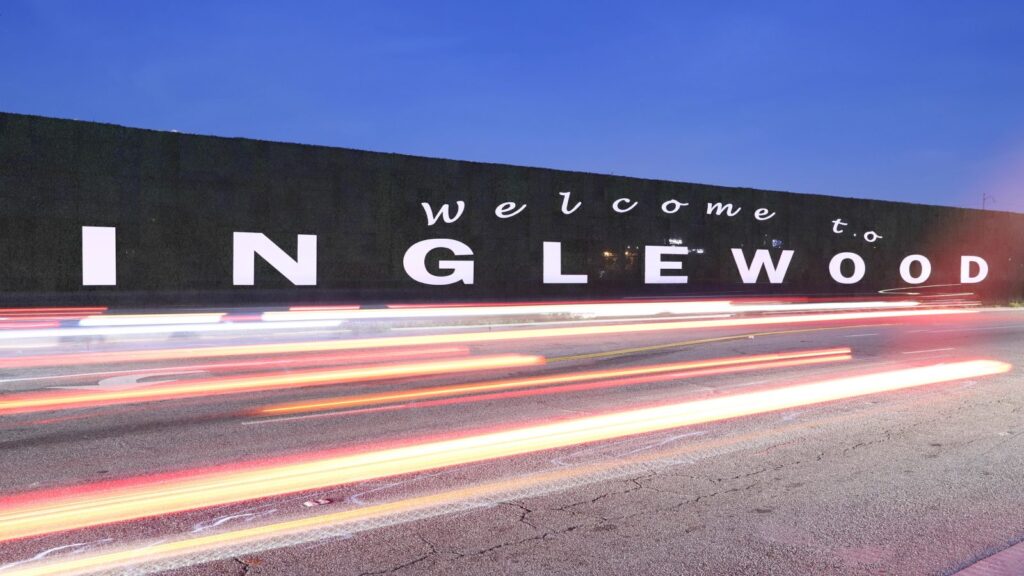
Some of these changes may come as a surprise to many Inglewood residents. If so the general customer service line for Republic Services, which handles recycling and waste collection, is (800) 299-4898.
Keep in mind that Republic Services is a large company, and some areas may have a local office with a different number, or a different number for specific services. The search results show this number is used for many California locations like Inglewood, Compton, and Whittier. If you need a more specific contact, you might want to visit the Republic Services “Contact Us” page and enter your address to find the number for your specific service area.
Stay Tuned


 had been reported missing in April 2024 from Lake Elsinore, California. The medical examiner described the remains as severely decomposed, and determined the death appeared to have occurred some time before the car was impounded. Authorities are investigating the case as a homicide, though no official charges have been announced.




 Congresswoman Maxine Waters, on Friday sharply condemned the federal government’s handling of food-assistance payments as part of the ongoing funding standoff, and directed families in her district to local relief resources while the legal fight over SNAP continues.
 Waters’ statement pointed constituents to concrete, actionable resources in Los Angeles County and in the cities that fall within California’s 43rd Congressional District — including Inglewood, Hawthorne, Gardena, Lawndale, Compton and Torrance — where municipal and nonprofit networks are expanding emergency assistance while the federal picture remains unsettled. Her office listed phone and web contacts for food help and programs that serve seniors, families and young children.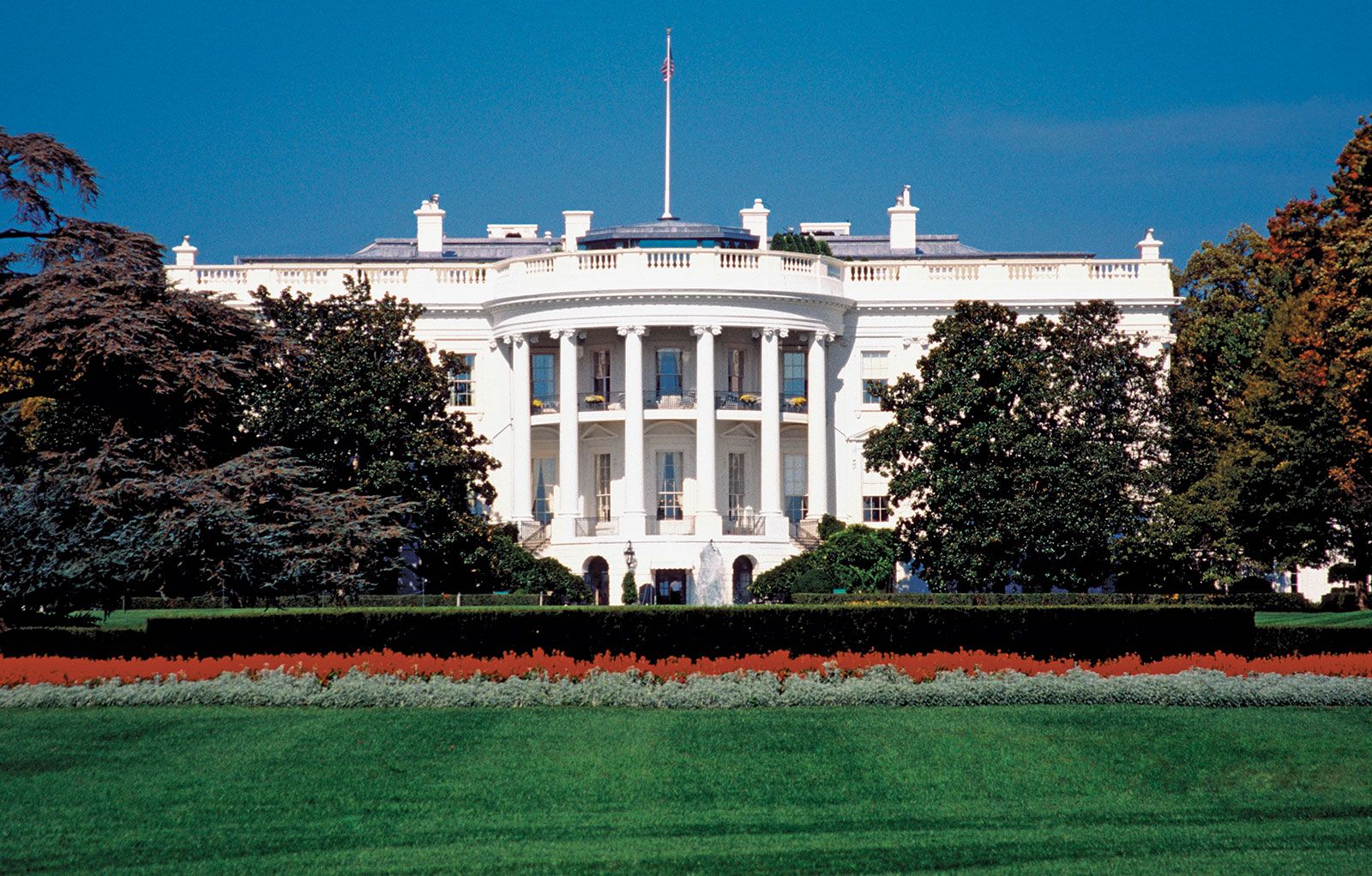
 v- Wade, the ACA has been on the resident’s seek and destroy list every since President Obama “clowned” Donald Trump was at the 2011 White House Correspondents’ Dinner, where he heavily mocked trumplethinskin over the “birther” conspiracy theory.
 As the federal government shutdown drags into its fifth week, the Supreme Court’s decision late Friday to temporarily block a lower court order requiring full Supplemental Nutrition Assistance Program (SNAP) payments has left millions of low-income Americans uncertain about where their next meal will come from. The ruling, issued by Justice Ketanji Brown Jackson, pauses full benefit disbursements while an appeals court considers the Trump administration’s request to limit payouts to available contingency funds.
 authorization. However, critics argue that the government’s reluctance to use discretionary reserves reflects misplaced priorities. The website

 During a recent meeting of the Carson City Council in the City of Carson, California, a heated discussion emerged around the city’s paratransit service program — specifically the contract for its “Dial-A-Ride” service for seniors and disabled residents. The focal point: the proposed shift in contract from the longtime local provider Yellow Cab of Los Angeles (and its affiliate) to the ride-hailing giant Uber. From the remarks of Councilman Jawane Hilton of
 District 1, who anchored much of the discussion, the decision appears to have been shaped by resident testimony, service-quality concerns, and the unique transportation needs of seniors and disabled individuals.
 Uber currently lacks handicap-accessible vehicles and has a record of service complaints — risked undermining those relationships.
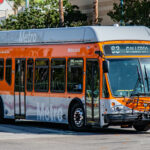 avoid editorialising and conflating personal perspectives into a piece, however I put myself through college, driving a yellow cab, and spent considerable time behind the wheel of a Super Shuttle, or Uber and recently retired as a Metro driver. I was often in the seat, servicing Carson residents on the 246 line down Avalon.