
Keeping Los Angeles Moving in 2028
By Charles Jackson
Political campaigns have a way of commanding our attention. But once the speeches end, the work of preparing our communities for what comes next continues. For Los Angeles, one of the biggest responsibilities ahead is welcoming the world to the 2028 Olympic and Paralympic Games.
That responsibility reaches well beyond stadiums, ceremonies and athletic competition. It includes something ev dangerous and 11 ery working family understands: getting people where they need to go, safely and on time.
Transportation will be central to the experience. Visitors will need help navigating an unfamiliar region. Employees will need dependable transportation to their jobs. And residents of Los Angeles and surrounding communities will still need to reach schools, medical appointments, grocery stores and home.
Metro’s plans call for a temporary Games Enhanced Transit Service to supplement the existing transportation network. The proposed service would connect venues with transit stations and park-and-ride locations, using accessible buses to accommodate spectators and workers. Metro estimates the Games could generate approximately 1 million additional trips each day.
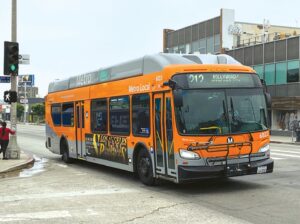 Behind those plans are people.
Bus operators, mechanics, dispatchers, supervisors and maintenance crews will help determine whether an ambitious transportation plan becomes a dependable daily service. Their work may receive less attention than the opening ceremony, but it will shape how people remember their visit.
That is where the role of organized labor deserves thoughtful attention.
The people chosen to represent transportation workers carry responsibilities that extend beyond internal union business. They must listen to their members, communicate workplace concerns and work through practical questions involving staffing, training, scheduling and safety.
Those responsibilities deserve consideration without turning every discussion into a political confrontation. The focus should remain on the quality of representation and the ability to help workers do their jobs effectively.
For Olympic preparations, that means making room for the experience of people who already operate and maintain the system. A driver understands what happens when traffic overwhelms a schedule. A mechanic knows the demands placed on equipment. A dispatcher sees how one disruption can affect service across several routes.
Their knowledge belongs in the planning process.
Safety must also be more than a promise. It should guide decisions about working conditions, passenger assistance, vehicle readiness and coordination when something goes wrong. Visitors unfamiliar with Los Angeles will need clear directions and patient guidance. Regular riders will need confidence that their everyday transportation needs still matter.
 There are substantial decisions ahead. In an October planning update, Metro identified funding certainty as essential to maintaining schedules and advancing Games transportation projects. Preparation remains an ongoing responsibility, with resources and coordination still requiring attention.
The Olympics offer Los Angeles an opportunity to demonstrate what cooperation can accomplish. Public agencies, organizers, labor representatives and workers each have a part in that effort.
When the world arrives in 2028, most passengers will know little about the meetings, negotiations or leadership decisions that helped prepare their ride.
They will know whether the bus arrived, whether they felt safe and whether someone helped them reach their destination.
That is a responsibility worth getting right.