
Forbes/Reuters:
Oil Prices Hit $100 Again—Trump Touts Cost Hike Benefits
Trump touts oil price gains, saying ‘we make a lot of money,’ angering lawmakers
Oil Wealth and Public Benefit: The United States vs. the United Arab Emirates
 On March 12, 2026, Donald Trump wrote on Truth Social that “the United States is the largest oil producer in the world, by far, so when oil prices go up, ‘we’ make a lot of money.” The statement came as gasoline prices in the United States climbed above roughly $3.60 per gallon following the escalation of the war involving Iran and disruptions to global oil shipping routes.
Forbes
Trump framed rising oil prices as manageable, even suggesting earlier in the week that higher prices were a “very small price to pay” if the conflict eliminated Iran’s nuclear threat.
Yahoo
However, the economic structure of oil wealth in the United States differs sharply from the system used in the United Arab Emirates. A comparison between the two reveals that while both countries produce large amounts of oil, the way oil revenue reaches ordinary citizens is fundamentally different.
 Oil Production vs. Public Benefit in the United States
The United States is currently the world’s largest oil producer, generating millions of barrels of crude oil per day through a combination of conventional drilling and shale production.
FactCheck.org
Yet the financial gains from oil production primarily flow through private industry rather than directly to citizens.
Most U.S. oil production is carried out by private corporations. Revenue from oil sales is distributed to shareholders, corporate executives, and investors, while governments receive tax revenue and royalties. Those funds then enter general federal and state budgets rather than being distributed directly to individuals.
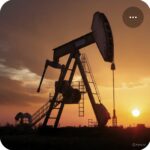 Economists frequently note that because oil is traded on a global market, American consumers still pay global prices even if the country produces large amounts of oil domestically. If companies can sell oil at higher prices abroad, they will do so, leaving U.S. consumers exposed to the same market forces affecting other countries.
PBS
As a result, rising oil prices generally mean higher costs for American households—especially for gasoline, transportation, and goods whose production relies heavily on petroleum.
The United States does provide some indirect public benefit from energy production through tax revenues, infrastructure spending, and employment in the energy sector. But there is no national program that distributes oil revenue directly to citizens. In practice, higher oil prices tend to benefit energy companies and investors more directly than ordinary consumers.
The UAE Model:
Oil Revenue as Public Welfare
In contrast, the system used in the United Arab Emirates distributes oil wealth to citizens through a government-funded welfare structure.
Although the federation includes several emirates such as Dubai and Abu Dhabi, roughly 96 percent of the UAE’s oil reserves are located in Abu Dhabi. Oil revenue from these resources forms a major pillar of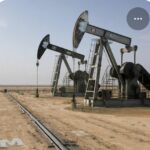 the country’s public
finances.
Rather than distributing cash payments directly, the UAE government channels oil wealth into extensive social benefits for Emirati citizens. These include:
Free or heavily subsidized healthcare
Government-funded education through university
Subsidized utilities
Land grants and interest-free loans for housing
High employment in the public sector
No personal income tax
About 90 percent of working Emirati citizens are employed in government jobs, reflecting the state’s central role in distributing economic benefits.
Dubai itself now relies less on oil and more on tourism, finance, and trade, yet Emirati citizens there still benefit from the broader national system funded in large part by oil revenue.
Two Different Economic Models
The contrast between the United States and the UAE illustrates two very different approaches to natural resource wealth.
In the United States, oil production operates largely through a market-driven private sector model. Oil companies produce and sell energy on global markets, and profits flow primarily to investors and corporations. Government receives tax revenue but does not distribute oil income directly to the population.
In the UAE, oil production is tied closely to state-managed wealth distribution. The government uses oil revenue to fund social programs, infrastructure, and employment that directly benefit citizens.
As a result, when oil prices rise globally, Americans generally experience higher fuel and consumer costs, while in the UAE the financial gains from oil exports more directly support the welfare system that benefits citizens.
Conclusion
The United States and the United Arab Emirates are both major oil producers, yet their citizens experience the results of that production very differently.
Statements suggesting that higher oil prices mean “we make a lot of money” reflect the macroeconomic reality that the United States produces large amounts of oil. But the distribution of that wealth depends on how the industry is structured.
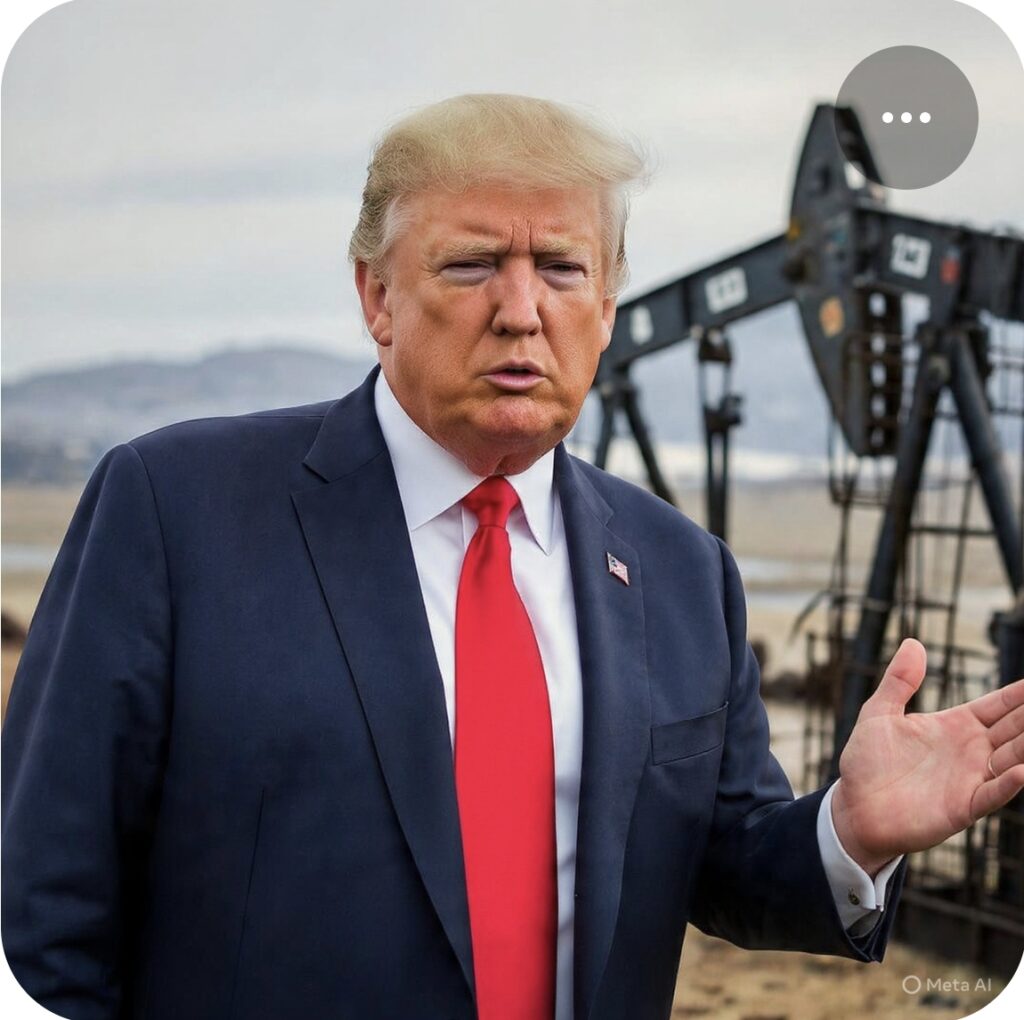 In the American system, oil revenue primarily strengthens corporate profits and government tax receipts, while consumers continue to pay global energy prices. In the UAE’s model, oil income is used more directly to finance public benefits for citizens.
The difference highlights how the management of natural resources—not just the amount produced—determines whether national oil wealth translates into tangible benefits for the public.
While citizens of the UAE are beloved members of the nation’s largesse, sharing in the wealth and bounty of the country, including free health care and higher education,citizens of the United States are scorned and often put upon, should they fall upon the mercy of the state.
When Donald trump smiles, boasts and posts about the bountiful position that the “excursions” of war are raining down – he ain’t talking to or about you, peasant.