Still Under Warranty, Still Waiting

Still Under Warranty, Still Waiting


By Charles Jackson

     My first contact with a Hyundai Customer Service Specialist was with a guy that called himself Nilesh. He introduced himself and then asked me a question that caught me totally off guard. He asked me “if I have contacted a lawyer.” that was probably my first mistake because I told him that I have a lawyer but I haven’t contacted him about this situation. He played me like a fiddle from that moment on.

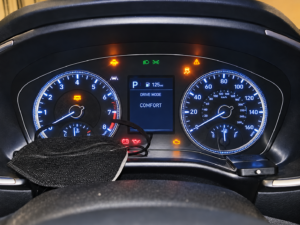
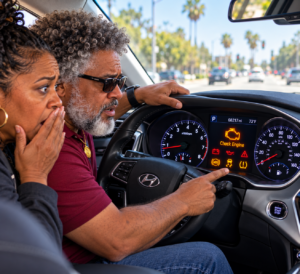
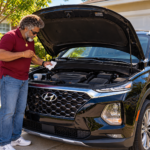
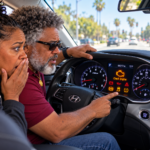
     My 2020 Hyundai Santa Fe has a check engine light, an engine that knocks and a history of shutting down. What it does not have is a resolution.

According to my understanding of the warranty, I still have a couple thousand miles remaining before reaching the 100,000-mile limit and time left under Hyundai’s 10-year powertrain coverage. Yet I keep getting essentially the same response: There is nothing they can do.
Then what, exactly, is the warranty for?

I am not a mechanic, and I cannot diagnose the cause of the knocking or shutdowns. That is precisely why I have sought help. These symptoms deserve a thorough inspection and a clear explanation—not another round of conversations that leave me with an unreliable vehicle.

Throughout this ordeal, I have reported excessive oil consumption, recurring warning lights and oil odors inside the vehicle. I have parked it because I am concerned about driving it and exposing my family to those conditions.

I also pay for a separate extended warranty. That provider has indicated to me that it is willing to pay for repairs. Despite that, I am still waiting for a workable path toward getting the vehicle fixed.

Attorneys have told me that pursuing a lemon-law claim may no longer be an option in my situation. But my question to Hyundai remains: What about the warranty coverage I believe is still in effect?

If Hyundai believes the necessary repair is excluded, I want a written explanation identifying the diagnosed problem and the specific warranty provision behind that decision. If further testing is required, tell me what testing and how we get it done.

Instead, the clock keeps running, and I am left worrying that my remaining coverage will expire before anyone resolves the problem. I cannot say that delay is anyone’s intention. I can say that it is how this experience feels from the driver’s seat.
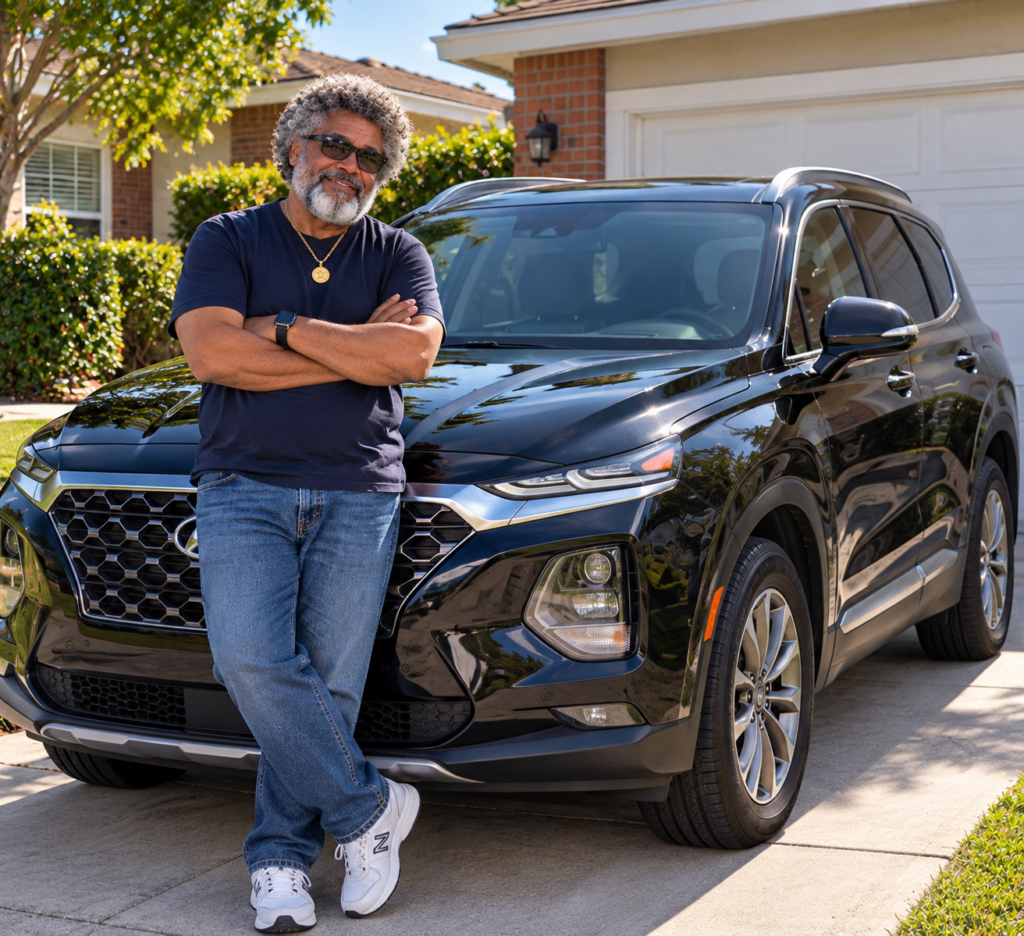
I liked my Santa Fe. I wanted to keep driving it. I paid for the vehicle and additional protection because I expected those commitments to mean something.
I am asking Hyundai to determine what is wrong, explain what is covered and honor the coverage that applies.

A warranty should provide a path to a repair—not a countdown to being left on your own.

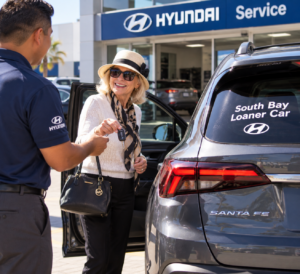
It was a fine automobile until it wasn’t.  They always had a clean, compassionate service department – as long as you were buying something.  Tires, oil change, that kind of stuff. Don’t ask for a loaner car you break down. My suggestion is that before the lemon law kicks in, get to a lawyer.
The California Lemon Law—officially known as the Song-Beverly Consumer Warranty Act (California Civil Code §§ 1790–1795.8)—protects buyers and lessees of defective vehicles that cannot be fixed after a reasonable number of repair attempts.

     Sadly it’s too late, trade the darn thing in before it gets to the 5 year mark.
This was their last word  🥹


Now this. Believe it or not, I was right on the verge of trading my Santa Fe in for a Palisades. But I couldn’t trade it because they couldn’t clear that darned check engine light, long enough for me to make a clean trade that wouldn’t hurt me at the bargaining table. 

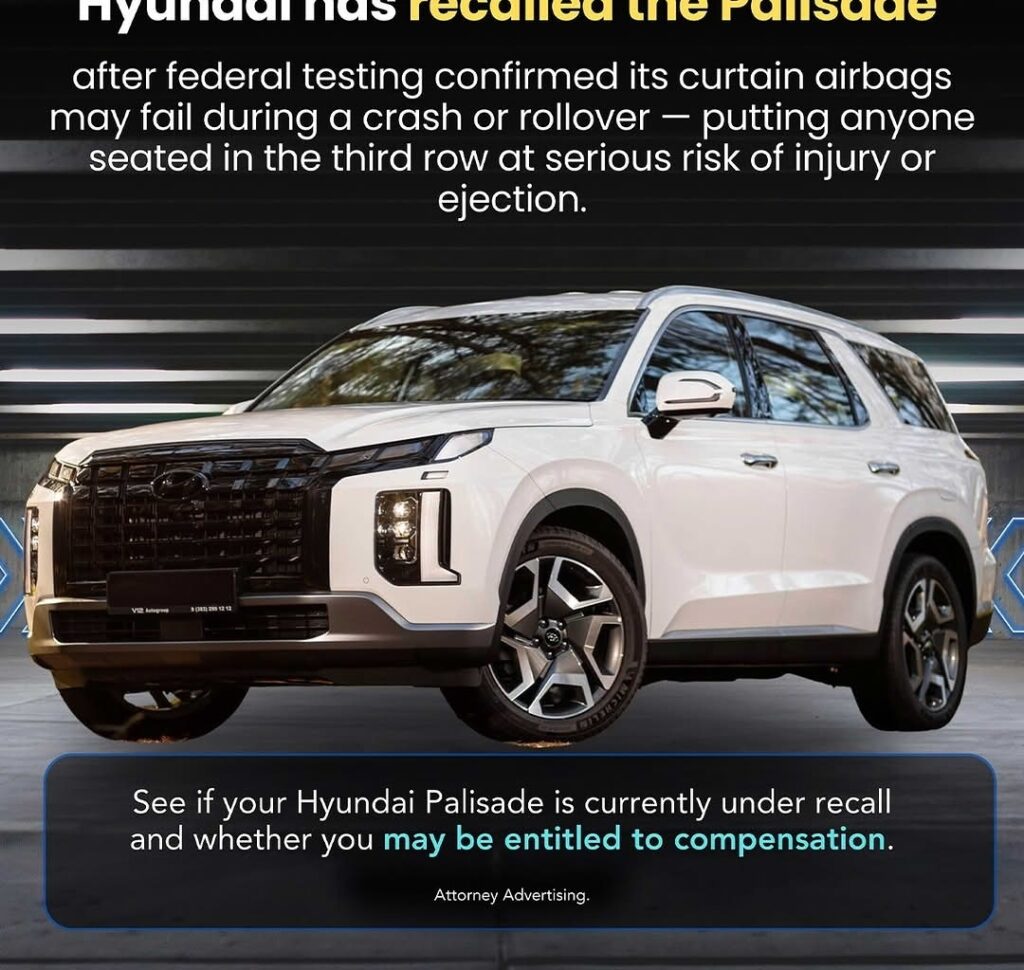
   But now look at this – probably the most beautiful car I have ever seen, the Palisades are in trouble. Nothing major I hope, but now they’re in the middle of a recall, having to do with the airbag. They couldn’t resolve  my faulty check engine light.

Good luck with this.

District 43 News

Signaling that this may be her final term. During a recent appearance on Roland Martin Unfiltered, congresswoman Maxine Waters stated that her upcoming term in Congress will likely be her last. She noted that she plans to use the term to continue fighting against President Donald Trump’s policies and to serve again as chair of the House Financial Services Committee.

Welcome back to the majority Madame Waters.

Keeping Los Angeles Moving in 2028

Keeping Los Angeles Moving in 2028
By Charles Jackson
Political campaigns have a way of commanding our attention. But once the speeches end, the work of preparing our communities for what comes next continues. For Los Angeles, one of the biggest responsibilities ahead is welcoming the world to the 2028 Olympic and Paralympic Games.
That responsibility reaches well beyond stadiums, ceremonies and athletic competition. It includes something ev dangerous and 11 ery working family understands: getting people where they need to go, safely and on time.
Transportation will be central to the experience. Visitors will need help navigating an unfamiliar region. Employees will need dependable transportation to their jobs. And residents of Los Angeles and surrounding communities will still need to reach schools, medical appointments, grocery stores and home.
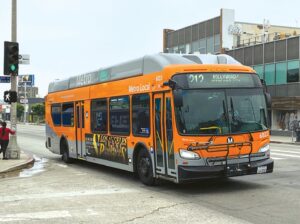
Metro’s plans call for a temporary Games Enhanced Transit Service to supplement the existing transportation network. The proposed service would connect venues with transit stations and park-and-ride locations, using accessible buses to accommodate spectators and workers. Metro estimates the Games could generate approximately 1 million additional trips each day.

Behind those plans are people.
Bus operators, mechanics, dispatchers, supervisors and maintenance crews will help determine whether an ambitious transportation plan becomes a dependable daily service. Their work may receive less attention than the opening ceremony, but it will shape how people remember their visit.
That is where the role of organized labor deserves thoughtful attention.
The people chosen to represent transportation workers carry responsibilities that extend beyond internal union business. They must listen to their members, communicate workplace concerns and work through practical questions involving staffing, training, scheduling and safety.
Those responsibilities deserve consideration without turning every discussion into a political confrontation. The focus should remain on the quality of representation and the ability to help workers do their jobs effectively.
For Olympic preparations, that means making room for the experience of people who already operate and maintain the system. A driver understands what happens when traffic overwhelms a schedule. A mechanic knows the demands placed on equipment. A dispatcher sees how one disruption can affect service across several routes.
Their knowledge belongs in the planning process.
Safety must also be more than a promise. It should guide decisions about working conditions, passenger assistance, vehicle readiness and coordination when something goes wrong. Visitors unfamiliar with Los Angeles will need clear directions and patient guidance. Regular riders will need confidence that their everyday transportation needs still matter.
There are substantial decisions ahead. In an October planning update, Metro identified funding certainty as essential to maintaining schedules and advancing Games transportation projects. Preparation remains an ongoing responsibility, with resources and coordination still requiring attention.
The Olympics offer Los Angeles an opportunity to demonstrate what cooperation can accomplish. Public agencies, organizers, labor representatives and workers each have a part in that effort.
When the world arrives in 2028, most passengers will know little about the meetings, negotiations or leadership decisions that helped prepare their ride.
They will know whether the bus arrived, whether they felt safe and whether someone helped them reach their destination.
That is a responsibility worth getting right.

All they had to do is fix the car

All They Had to Do Was Fix the Car

By Charles Jackson

I actually like my Hyundai. I just wish I felt Hyundai liked me back.

After repeated repair visits, recurring check engine lights, oil consumption and more follow-up calls than I care to count, I have reached a point I never expected: I am afraid to drive my own car.

I can smell what seems to be burning oil. I worry about what my children and I may be breathing. The car has stalled, leaving me scrambling to pull over and restart it. I no longer trust it for a trip outside the area. Now, I have parked it.

This is my family’s transportation. It is how I get to work, take my daughters to school and help keep our household moving. When the car fails, the consequences reach well beyond the repair shop.

I originally leased my 2020 Hyundai Santa Fe, then bought it when the lease ended. I also purchased extended warranty coverage because I wanted protection if something went wrong.

Something went wrong. What I have not received is a lasting repair.

The pattern has become painfully familiar: Take the car in. Receive an explanation. Authorize repairs. Get it back. Then, sometimes within days or weeks, watch the check engine light return.

My extended warranty has been billed for repairs, and I have faced charges myself. Yet the problems have continued. From where I sit, the process keeps producing repair bills without producing a car I can depend on.

The calls from Hyundai representatives have become another source of frustration. Someone calls while I am working, promises to follow up and schedules another conversation. Sometimes we connect; sometimes I miss the call. Either way, another week passes.

A follow-up call is welcome when it brings an answer. After enough calls without a resolution, it starts to feel like an appointment to keep waiting.

Meanwhile, I still have a job. I cannot spend every workday coordinating conversations about a car that is supposed to help me get to work in the first place.

Then there is the transportation problem while the vehicle is being serviced. I have repeatedly been told that no loaner car was available. Yet on one visit, I watched another customer leave in a dealership-branded loaner.

I do not know that customer’s circumstances or how the dealership assigned its vehicles. But after being told there was nothing available for me, watching someone else drive away raised a reasonable question: How are those decisions made?

Rental arrangements offered little relief. A preferred rental rate still meant paying for transportation while dealing with repairs, household expenses and time away from work.

During one breakdown around the Coachella festival period, I could not find an available rental car. I rented a U-Haul to get to work. Arriving in a moving truck created another problem at my workplace, but I was trying to solve the first one: showing up.

The costs have also been personal.

We have friends in Orange County we have not visited in about a year because I do not trust the car for the drive. My grandson welcomed a son in February, and I still have not traveled to the Inland Empire to meet my great-grandson. I want to see that child, but I do not want to strand my family on the way.

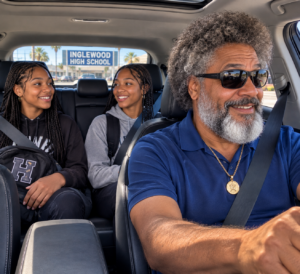
My twin daughters are 17. I had planned to give them the Hyundai as their first car. That plan is gone. I cannot hand my daughters the keys to a vehicle I am afraid to drive myself.

When one daughter wanted to visit a college campus in the Santa Barbara area, I rented a car. A trip to explore her future became another expense tied to our transportation troubles.

I also sought arbitration through the Better Business Bureau. The hearing schedule conflicted with work, and I did not attend. The arbitrator ruled in Hyundai’s favor. From my perspective, that process ended without resolving the problem that sent me there.

Now I am considering trading the car in. I dislike the thought of this vehicle becoming someone else’s headache, but I need dependable transportation. I cannot keep organizing my family’s life around the possibility of another breakdown.

To other owners facing recurring problems, my advice comes from experience: Keep your invoices, record each breakdown and seek qualified advice early. Do not let repeated promises of another inspection or another callback become your entire plan.

I bought extended coverage for peace of mind. Instead, I have spent my time arranging repairs, finding rentals, answering calls and wondering whether the next drive would end at the curb.

I did not want a fight with Hyundai. I wanted to keep a car I liked and use it to take care of my family.

All they had to do was fix the car.

After everything I have been through, I am still waiting for that to happen.

I originally titled this article as a cautionary tale. If they couldn’t fix it they were obligated to replace it. We all know about the lemon law rules. We also know that if you can stall long enough, you can bypass the lemon law rules all together, because you have successfully outlived the statute of limitations, and you have skirted your legal obligation to

conduct your business fairly.