

Grow or No?

The economic transformation around SoFi Stadium and the now open Intuit Dome in Inglewood has created challenges for local small business owners who feel sidelined by the impacts of gentrification and rising costs. Once viewed as a development that would bring economic opportunities, the new stadiums have instead caused property values, rents, and traffic congestion to soar, adding significant financial pressure on the surrounding community. Many of these effects have been felt by local businesses and long-term residents, primarily from Black and Latino communities, who are now struggling with the unintended consequences of this development boom.

Construction of SoFi Stadium, the $5 billion home of the Los Angeles Rams and Chargers, has transformed Inglewood into one of Los Angeles County’s fastest-growing real estate markets. Property values have surged, with median home-sale prices increasing by as much as 87% between 2016 and 2021, well outpacing broader trends in Los Angeles. Rent costs have also surged, with some one-bedroom units rising from around $1,100 per month in 2016 to over $1,700 by 2022. While the stadium was privately funded, the surrounding construction has relied on public infrastructure investments and tax breaks, benefiting developers and team owners but leaving the local economy strained without adequate support for existing businesses and residents.

This boom in property values has catalyzed displacement among long-time residents and has particularly affected low-income renters. The pressure on local businesses has intensified, especially those without the resources to cope with increased lease costs and the decline in customer traffic due to congested streets and ongoing construction. Many business owners argue that local officials, including Inglewood’s Mayor James Butts, have favored high-value development while neglecting programs or policies that could help stabilize existing businesses and residents. Advocates, including Nagi Ali, a local civil rights activist, have pointed to a lack of initiatives to support small businesses or to draw patrons to the area, suggesting that a campaign like “Shop Inglewood” could have highlighted and supported local enterprises but was never prioritized.
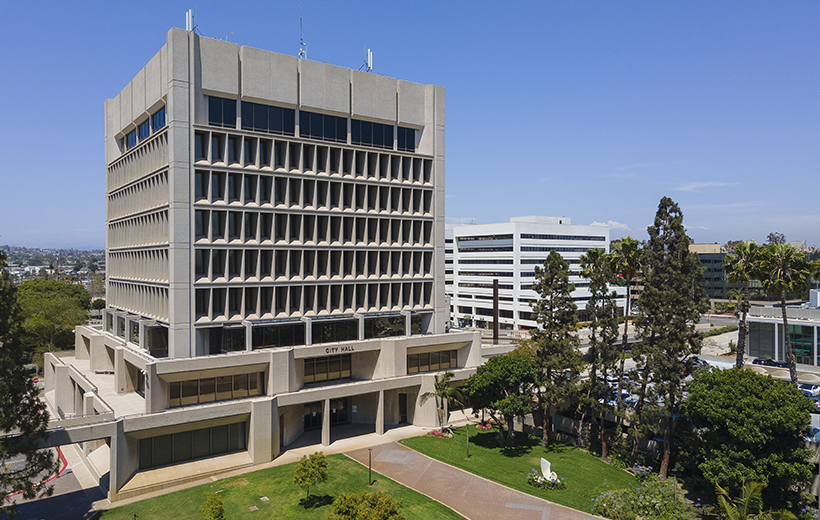
Beyond Inglewood, similar stories have emerged in other cities that have undergone rapid development of sports infrastructure. Examples include the construction of the Barclays Center in Brooklyn and Nationals Park in Washington, D.C., which also triggered rising rents and displacement concerns. Both examples reflect how sports venue developments often prioritize attracting tourists and higher-income patrons while pushing out long-standing, lower-income communities. These cases reveal a pattern where public resources are often directed to support large-scale developments while low-income residents and local businesses face increasing barriers to remain in place.

The rapid gentrification of Inglewood, and the accompanying changes brought by SoFi Stadium and Intuit Dome, represent a familiar conflict between economic revitalization and displacement. Without robust measures to support local residents and businesses, small enterprises risk being displaced by rising costs, while new developments become exclusive spaces that primarily benefit those with significant financial capital. Advocates argue for policies that create affordable housing, provide direct support for small businesses, and mitigate the negative impacts of traffic and pollution—common consequences of such high-profile projects.

In essence, the story of Inglewood underscores the complex relationship between urban development and economic equity. As small business owners rally to demand a meeting with team owners and local officials, the situation highlights an urgent need for a development model that includes protections for communities affected by large-scale sports venues. Addressing these issues will require coordinated efforts that go beyond individual infrastructure projects to foster an inclusive approach that balances new investment with protections for existing communities.


Story: Charles Jackson

Another Tale of Two Cities

Eric Garcetti gave Los Angeles the gift of weakened jaywalking laws. If you jaywalk safetly, police will not cite you, If you hit a jaywalker and were not speeding or impaired, you may not be found liable for an accident.

In 2021, Mayor Garcetti was nominated to be the ambassador to India. His nomination was held up by the Senate, but he was finally cleared for the move to New Delhi in early 2023.
Less than two years later and trump is set to begin his vengence and retribution campaign.

Surely nothing will please him more than to upset and unseat the former mayor of a sanctuary city.

Some things are accepted social norms, and should not be tampered with willy nilly, without careful study, and certainly not to prove some level of political expediency, and certainly not as a means of addressing self perceived grievances.

Story: Charles Jackson

This Challenge, Earth

Here in Los Angeles County,  unless you frequent the area around the Sepulveda Flood Basin, the idea of residential flooding seldom comes to mind.

Rep. Maxine Waters Advocates for National Flood Insurance Debt Relief to Protect California Communities

Congresswoman Maxine Waters, a longtime champion for equitable disaster recovery solutions, has issued a resounding call for debt forgiveness within the National Flood Insurance Program (NFIP). Waters, who represents parts of Los Angeles County, warns that without immediate action, vulnerable California communities face severe financial and environmental crises due to climate change’s escalating impacts.

In a statement addressing policymakers and the public, Rep. Waters emphasized the urgency of reforming the NFIP,  ( National Flood Insurance Program) which is managed by the Federal Emergency Management Agency (FEMA). The program, designed to provide affordable flood insurance to homeowners in high-risk areas, is currently grappling with a debt of over $20 billion, accrued from payouts linked to increasingly destructive hurricanes, floods, and other natural disasters.
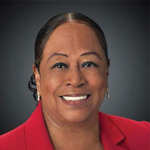

Rep. Waters underscored how California, despite its reputation for droughts and wildfires, is not immune to catastrophic flooding. Atmospheric rivers, rising sea levels, and aging infrastructure have heightened flood risks across the state. Coastal cities like Los Angeles and agricultural hubs in the Central Valley are especially vulnerable. Yet many residents, particularly those in low-income communities, cannot afford the rising premiums tied to FEMA’s updated risk assessment models.

“The National Flood Insurance Program was created to protect homeowners, not burden them with unsustainable debt,” Waters stated. “Without relief, these costs will force working families out of their homes and leave entire neighborhoods defenseless against climate-related disasters.”

Waters is urging Congress to forgive the NFIP’s debt, arguing that the current financial strain limits FEMA’s ability to prepare for future disasters. Debt forgiveness, she contends, would free up federal resources to invest in flood mitigation projects, such as levee repairs, stormwater management systems, and wetland restoration efforts.

Rep. Waters has also proposed increasing subsidies for low-income policyholders, ensuring that vulnerable populations are not priced out of essential coverage. “California families shouldn’t have to choose between putting food on the table and protecting their homes,” she declared.

While the proposal has drawn praise from environmental advocates and urban planners, Congress. Opponents argue that forgiving the NFIP’s debt could set a dangerous precedent for other federally funded programs. Some policymakers are also calling for stricter reforms, such as incentivizing property owners to relocate from flood-prone areas—a solution that Waters has criticized as inequitable and impractical for urban centers like Los Angeles.

Despite these challenges, Congresswoman Waters’ push for NFIP reform highlights the broader implications of climate change for U.S. infrastructure and communities. With FEMA projecting that one in four homes nationwide will face high flood risks by 2050, the stakes extend far beyond California.

Advocacy groups have rallied behind Waters’ proposal, urging Congress to prioritize resilience over repayment. “Forgiving NFIP debt is not just a financial issue; it’s a moral one,” said a representative from the National Resources Defense Council. “Communities like those in California need immediate support to weather the storms ahead.”

As the nation grapples with intensifying climate disasters, Rep. Waters remains steadfast in her mission to ensure that the NFIP serves its intended purpose: protecting American families. She has vowed to continue lobbying for legislative action, warning that inaction could lead to irreversible damage to both communities and the economy.

“Climate change is here, and it’s time for Congress to act,” Rep. Waters concluded. “The safety and stability of millions of Americans depend on it.”

Story: Charles Jackson

Inglewood Awakening

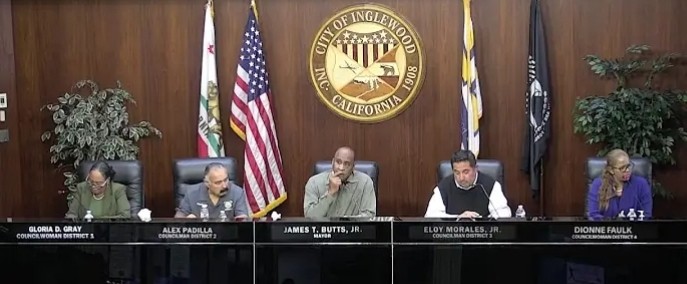
Inglewood Mayor James Butts recently responded to a series of allegations lodged against him by Councilwoman Gloria Gray, recently reported in the Inglewood Today

Gloria Gray

shedding light on a contentious debate within Inglewood’s city government. Gray’s accusations, which include claims of abuse of power, alleged ethical breaches, and potential conflicts of interest, have raised questions about leadership accountability and transparency in one of Southern California’s fastest-evolving cities.

Mayor Butts

Mayor Butts, however, has firmly denied these accusations, characterizing them as politically motivated and an attempt to undermine his administration’s recent successes.

Gray’s accusations against Butts span a range of issues, including alleged misuse of city funds, preferential treatment for certain developers, and potential retaliation against city employees who do not align with his directives. This has escalated concerns about how Inglewood’s rapid development and transformation—particularly around high-profile projects such as SoFi Stadium and the Clippers’ new Intuit Dome—are affecting governance and oversight. Gray argues that Butts has contributed to an environment where the interests of developers and private investors are prioritized over those of the local community. These allegations underscore broader concerns that have surfaced amid Inglewood’s significant economic and demographic changes, with rising costs and displacement adding tension to an already complex political landscape.

In response, Butts has categorically denied all claims, positioning himself as a pragmatic leader committed to transforming Inglewood into a thriving urban center. He argues that his decisions have prioritized economic growth, job creation, and community revitalization, which he believes will ultimately benefit Inglewood residents. According to Butts, the accusations from Gray lack substantive evidence and are part of an effort to discredit his administration ahead of upcoming elections. He maintains that his administration has been transparent about its objectives and has made a concerted effort to keep residents informed on city planning decisions.

Butts also highlighted the substantial economic benefits brought by recent developments, which have revitalized the city’s image and attracted considerable business interest. He points to the economic impact of hosting the NFL’s Los Angeles Rams and Chargers at SoFi Stadium, as well as the anticipated benefits of the new Clippers arena. According to Butts, these projects have created thousands of jobs and will continue to drive long-term economic growth, offering opportunities for local residents and businesses alike. He has dismissed claims that his administration shows favoritism to developers, asserting that all projects are pursued with the broader public good in mind.

However, Gray’s allegations have struck a chord with some residents who feel that Inglewood’s rapid gentrification is leaving long-time community members behind. Rising rents and property values have priced some residents out of their neighborhoods, and critics argue that Butts’ approach to development has exacerbated these challenges. Some community advocates support Gray’s call for increased transparency and accountability, insisting that development should not come at the cost of displacing Inglewood’s most vulnerable populations. They argue that decisions around land use and city planning should prioritize affordable housing and measures to protect low-income residents.

In his rebuttal, Butts pointed to several initiatives aimed at addressing these concerns, including affordable housing projects and measures to prevent displacement. He argues that his administration has worked to balance economic development with community needs, though he acknowledges that Inglewood’s transformation has created difficult trade-offs. Butts insists that he remains committed to affordable housing and has enacted policies aimed at preserving the community’s socioeconomic diversity. He attributes Inglewood’s rising property values and increased interest from investors to the city’s transformation from a struggling suburb to a regional destination with robust infrastructure and amenities.

The back-and-forth between Butts and Gray has underscored the complex dynamics at play in Inglewood, where rapid growth and demographic shifts have sparked debates over economic justice and equitable urban development. Gray’s accusations and Butts’ response reflect a broader conversation occurring in many urban areas experiencing similar challenges. As development continues to shape the city, questions about who benefits and who bears the costs have become more pronounced.

Gray has called for an independent investigation into Butts’ alleged actions, which she believes would clarify his administration’s role in several recent development deals. Her push for transparency has garnered support from some community organizations and residents, who view an independent review as a necessary step to address perceived ethical lapses within Inglewood’s government. Gray argues that only through an unbiased investigation can the city fully address concerns about conflicts of interest and ensure that decisions are being made in the public’s best interest.

Butts, however, views the call for an independent investigation as a political tactic rather than a necessary measure. He contends that his administration has operated within legal and ethical boundaries and that the ongoing development projects align with Inglewood’s strategic vision for a prosperous future. According to Butts, efforts to hinder these projects could ultimately harm the community by limiting access to economic opportunities. He believes that his administration has successfully steered Inglewood through significant challenges and that his record speaks to a dedication to responsible and progressive city governance.

The dispute between Mayor Butts and Councilwoman Gray has illuminated the broader societal shifts impacting Inglewood and other similarly situated communities. As the city continues to evolve, the balance between fostering economic development and maintaining community stability remains delicate. Butts argues that his administration’s policies will ultimately benefit all residents, while Gray insists that unchecked development risks leaving long-time residents behind. In this environment, the demand for transparent governance and accountability has only grown, as residents and city officials navigate the complexities of urban change.

The outcome of this dispute may have implications not only for Inglewood’s future but also for the political careers of Butts and Gray. As the city grapples with competing visions for its development, residents are likely to weigh the promises of economic growth against concerns over rising costs and the preservation of community identity. The ongoing conversation between Mayor Butts and Councilwoman Gray has brought these issues to the forefront, inviting further scrutiny on how Inglewood’s leaders can achieve a just and inclusive transformation.

While questions related to city elections have been raised, the mayor and Councilwoman Gray were not implicated in this election cycle. However, a so far small group of citizens are informally asking the mayor to step down.

Continue reading “Inglewood Awakening”