
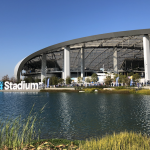
 The economic transformation around SoFi Stadium and the now open Intuit Dome in Inglewood has created challenges for local small business owners who feel sidelined by the impacts of gentrification and rising costs. Once viewed as a development that would bring economic opportunities, the new stadiums have instead caused property values, rents, and traffic congestion to soar, adding significant financial pressure on the surrounding community. Many of these effects have been felt by local businesses and long-term residents, primarily from Black and Latino communities, who are now struggling with the unintended consequences of this development boom.
Construction of SoFi Stadium, the $5 billion home of the Los Angeles Rams and Chargers, has transformed Inglewood into one of Los Angeles County’s fastest-growing real estate markets. Property values have surged, with median home-sale prices increasing by as much as 87% between 2016 and 2021, well outpacing broader trends in Los Angeles. Rent costs have also surged, with some one-bedroom units rising from around $1,100 per month in 2016 to over $1,700 by 2022. While the stadium was privately funded, the surrounding construction has relied on public infrastructure investments and tax breaks, benefiting developers and team owners but leaving the local economy strained without adequate support for existing businesses and residents.
This boom in property values has catalyzed displacement among long-time residents and has particularly affected low-income renters. The pressure on local businesses has intensified, especially those without the resources to cope with increased lease costs and the decline in customer traffic due to congested streets and ongoing construction. Many business owners argue that local officials, including Inglewood’s Mayor James Butts, have favored high-value development while neglecting programs or policies that could help stabilize existing businesses and residents. Advocates, including Nagi Ali, a local civil rights activist, have pointed to a lack of initiatives to support small businesses or to draw patrons to the area, suggesting that a campaign like “Shop Inglewood” could have highlighted and supported local enterprises but was never prioritized.
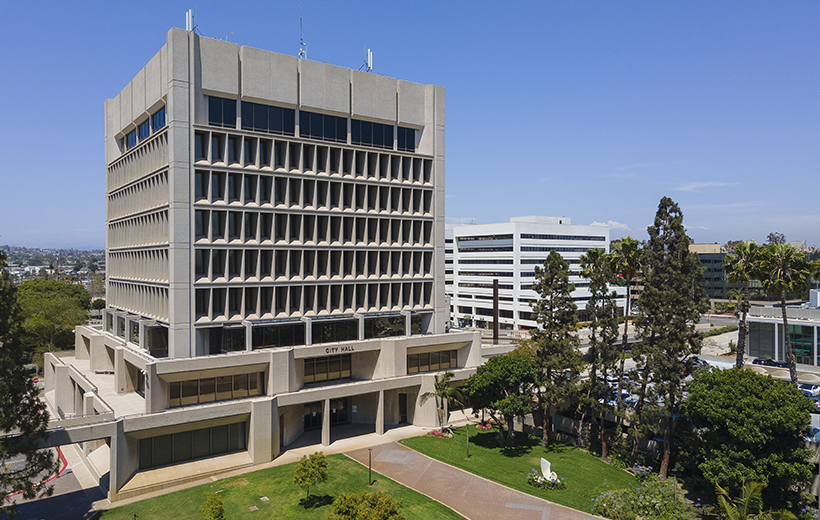 Beyond Inglewood, similar stories have emerged in other cities that have undergone rapid development of sports infrastructure. Examples include the construction of the Barclays Center in Brooklyn and Nationals Park in Washington, D.C., which also triggered rising rents and displacement concerns. Both examples reflect how sports venue developments often prioritize attracting tourists and higher-income patrons while pushing out long-standing, lower-income communities. These cases reveal a pattern where public resources are often directed to support large-scale developments while low-income residents and local businesses face increasing barriers to remain in place.
The rapid gentrification of Inglewood, and the accompanying changes brought by SoFi Stadium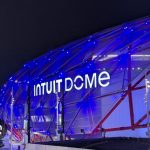 and Intuit Dome, represent a familiar conflict between economic revitalization and displacement. Without robust measures to support local residents and businesses, small enterprises risk being displaced by rising costs, while new developments become exclusive spaces that primarily benefit those with significant financial capital. Advocates argue for policies that create affordable housing, provide direct support for small businesses, and mitigate the negative impacts of traffic and pollution—common consequences of such high-profile projects.
In essence, the story of Inglewood underscores the complex relationship between urban development and economic equity. As small business owners rally to demand a meeting with team owners and local officials, the situation highlights an urgent need for a development model that includes protections for communities affected by large-scale sports venues. Addressing these issues will require coordinated efforts that go beyond individual infrastructure projects to foster an inclusive approach that balances new investment with protections for existing communities.
