
The Day the Music Industry Let the Robots Into the Studio.
 For decades, the record business treated artificial intelligence the way Dracula treated daylight: avoid at all costs, issue dramatic legal threats, and send expensive lawyers carrying sharpened cease-and-desist letters. Now? The vampires appear to be installing Wi-Fi in the castle.
In what may become one of the strangest turning points in modern music history, newsroom.spotify.com and universalmusic.com announced a new licensing partnership that will allow fans and creators to generate AI-powered cover songs and remixes using participating artists’ catalogs.
Spotify.
The same music industry that once acted like a teenager downloading LimeWire in 2002 was equivalent to nuclear espionage is now apparently saying: “Alright… maybe the robots can sing a little.”
According to Spotify’s official announcement, its new feature will launch as a paid add-on for Premium subscribers and will focus on AI-generated licensed covers and remixes. Spotify says the system is built around three magic corporate buzzwords: “consent, credit, and compensation.”
Translation:
“We finally found a way to monetize the apocalypse.”
The move represents a dramatic cultural shift for major labels, especially Universal Music Group, which only recently spent considerable energy battling unauthorized AI music platforms and defending artist copyrights. In fact, UMG previously reached agreements with AI music companies like Udio after legal warfare over copyrighted training material.
UMG
Now the same industry that once screamed, “AI is stealing music!” is quietly adjusting the studio microphone for it. And honestly, maybe they had no choice.
The internet already resembles a cyberpunk karaoke bar at 3 a.m. Somewhere right now, a teenager in Nebraska is probably generating an AI version of Frank Sinatra singing a Kendrick Lamar diss track while an AI Elvis harmonizes in the background. The toothpaste is not merely out of the tube — the toothpaste has released three mixtapes and launched a Patreon.
Spotify appears to understand this reality better than most. The company is aggressively leaning into AI products as part of its future business strategy. Beyond music remixes, Spotify also unveiled AI-generated podcast tools and other “superfan” features intended to drive new revenue growth through 2030.
Reuters
Wall Street loved it. Spotify stock reportedly jumped sharply after the announcement.
Of course it did.
Investors hear phrases like “new monetization ecosystem” and immediately begin levitating several inches above the floor.
Still, the announcement raises massive questions about the future of artists, creativity, and authenticity.
 Will listeners care whether a song is sung by a human being anymore?
Or are we entering an era where audiences simply shrug and say:
“If it slaps, it slaps.”
That possibility terrifies traditional musicians. For years, artists fought to preserve the mystique of originality — the idea that music carried fragments of human struggle, heartbreak, and experience. But AI systems can now mimic vocal styles, recreate production aesthetics, and manufacture emotionally convincing songs in seconds.
The result could become musical chaos.
Imagine:
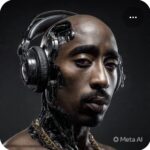
* AI Tupac featuring AI Prince.
* A synthetic Johnny Cash singing trap music.
* An AI-generated Motown ballad accidentally becoming a global hit.
Five million fake Drake songs appeareing online before breakfast.
Some of that sounds hilarious. Some sounds horrifying. Most sounds inevitable. And the record labels know it.
That is why this Spotify-UMG agreement matters. It signals that major labels may be abandoning the old strategy of trying to stop AI altogether. Instead, they appear ready to build toll booths around it.
If people are going to make robot music anyway, the industry wants a percentage.
To be fair, Spotify and UMG insist participating artists will opt in voluntarily and receive royalties from AI-generated creations.
That could create a bizarre but lucrative future where artists license “digital vocal likenesses” the same way celebrities license action figures or video gam
e appearances.
In other words: Your favorite singer may someday retire from touring entirely while their AI clone keeps dropping albums every six months forever. Immortality, but with subscription billing.
Meanwhile, researchers are already racing to create systems that can detect.
AI-generated music because distinguishing humans from algorithms is becoming increasingly difficult.
That may soon become necessary because the next generation of listeners could grow up in a world where the line between “artist” and “software operator” barely exists. And perhaps that is the real story here.
The music industry once feared AI would burn down the building.
Now it is inviting the robots inside, handing them backstage passes, and asking whether they would like merchandising rights.
If you’re old enough, you may have been forced to accept the synthesizer that sounded just like your original $895 74-key Fender Rhodes. You learned to appreciate the first drum machine that landed in the studio. The magic of Pro-Tools was hard to swallow, but before long, using that tool to sample and share your name on a split sheet with James Brown, the most sampled musician of all times didn’t hurt hardly at all.
Ultimately It may well be wiser and more profitable to happily split the check, than grumble and complain yourself into the poor house.
It’s better to play ball, than to be the ball.
