
Access, Engagement, and the Modern Town Hall: A Reflection on Congresswoman Maxine Waters’ Forum. This is how we roll.
On April 2, 2026.
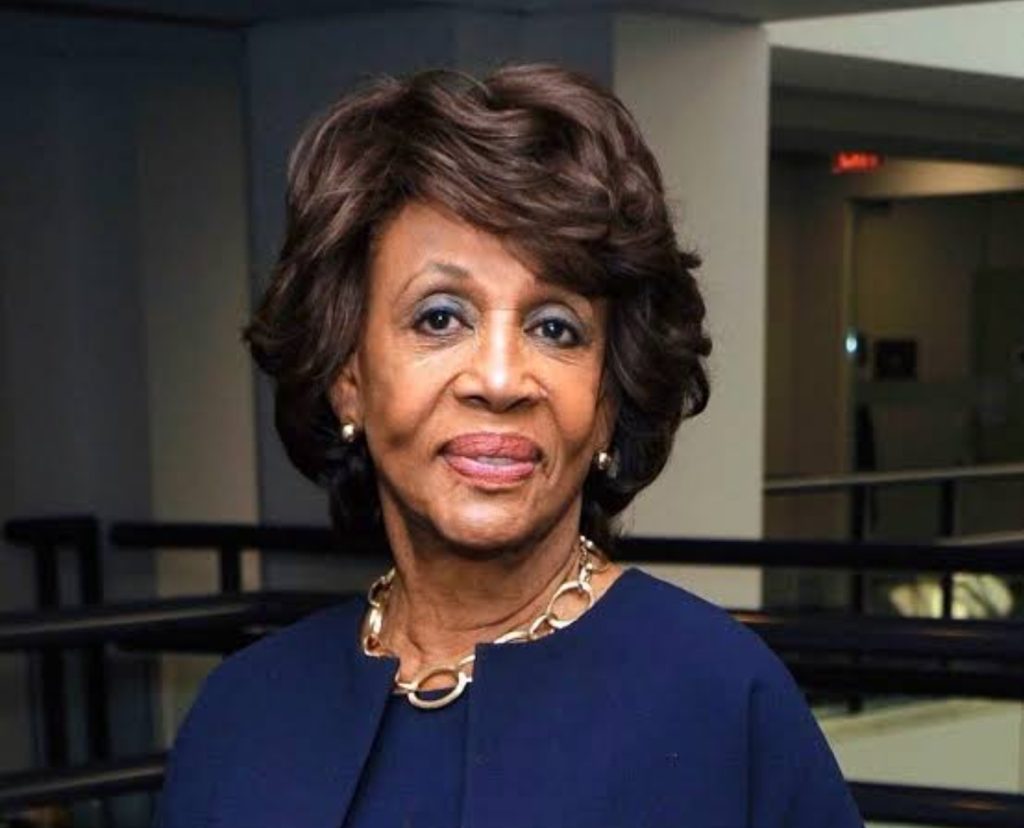
Congresswoman Maxine Waters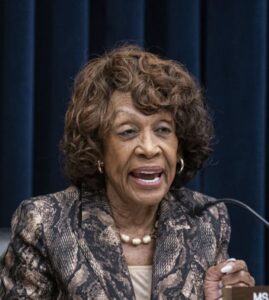 hosted a telephone town hall for residents of California’s 43rd Congressional District. The event followed a familiar and increasingly important format in modern civic life: structured, accessible, and designed to reach a broad audience across a large and diverse community.
For many constituents, especially those who may not attend in-person events, this format offers something valuable—a practical entry point into civic participation. And that is worth recognizing at the outset.
A Gateway to Participation
Telephone town halls are not meant to replicate the intensity or spontaneity of live, in-person gatherings. Instead, they serve a different purpose: scale and accessibility.
In a district as expansive and complex as the 43rd—encompassing Inglewood, South Los Angeles, and surrounding areas—bringing thousands of voices into even a shared listening space is no small achievement. The ability to dial in, hear directly from a sitting member of Congress, and potentially ask a question lowers the barrier to engagement.
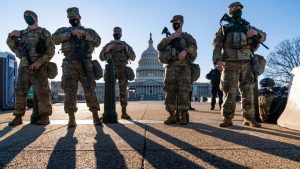 For many residents, especially seniors or those balancing work and family responsibilities, this may be the most realistic way to connect with their representative.
Structure as Stability
The April 2 event was carefully moderated, with a facilitator guiding the flow of the conversation. Callers were introduced, questions were time-limited, and transitions were smooth. While this structure can feel formal, it also ensures that the event remains focused and respectful of participants’ time.
Roughly 15 to 20 constituents were able to speak—sharing concerns about housing affordability, economic opportunity, healthcare access, and public safety. These are not new issues in the district, but they remain urgent, and the town hall provided a platform for them to be voiced directly.
Importantly, the tone of the event appeared measured and constructive. Participants were able to express concerns without the disruptions that sometimes characterize large public meetings. In that sense, the format created a safe and orderly environment for dialogue, even if it was necessarily brief.
Waters’ Approach: Detailed and Direct
Congresswoman Waters brought her characteristic command of policy to the discussion. Her responses reflected decades of legislative experience, particularly in areas tied to economic justice, financial systems, and community development.
She addressed questions with specificity—referencing federal programs, ongoing initiatives, and the broader legislative landscape. For constituents seeking clarity on what is being done at the federal level, this level of detail matters.
At the same time, she encouraged continued civic engagement. Her messaging emphasized that participation does not end with a phone call—it extends into voting, organizing, and staying informed. References to broader civic themes, including calls for vigilance and public involvement, underscored her long-standing belief in active citizenship.
The Sanctuary City Context
 The 43rd District operates within the broader framework of Los Angeles County, a region often described as aligned with sanctuary policies. This context shapes many of the conversations around public safety, immigration, and community trust.
In a telephone town hall setting, these issues tend to be approached in a measured way. The format naturally encourages concise questions and equally concise responses, which can make it difficult to fully explore complex or sensitive topics.
However, the value of the forum lies in introducing these issues to a wide audience. Even brief exchanges can raise awareness, clarify positions, and encourage further discussion beyond the call itself.
Rather than serving as the final word on such matters, the town hall functions as a starting point—a place where concerns are surfaced and where constituents can begin to engage more deeply in the issues that affect their communities.
Complementing, Not Replacing, In-Person Dialogue
It is important to view telephone town halls as one piece of a larger civic ecosystem. They are not designed to replace in-person meetings, where longer exchanges, follow-up questions, and more dynamic interaction can take place.
It should be noted that I, as the writer of this article, have attended several of Congresswoman Waters’ live town halls, and that perspective is important. Those settings often allow for a different kind of energy—sometimes more assertive, sometimes more interactive, but always more immediate.
The telephone format, by contrast, offers reach over depth. And in a district of this size, both are necessary.
A Broader Tradition of Engagement
There is also value in remembering that civic participation takes many forms. The legacy of Martin Luther King Jr. reminds us that engagement can be quiet as well as vocal—structured as well as spontaneous.
 Nonviolent protest, silent marches, and sit-ins were not just acts of resistance; they were also acts of presence. They created space for voices to be seen and felt, even without extended dialogue.
In a different way, telephone town halls also create space—less visible, perhaps, but still meaningful. They allow people to listen, reflect, and begin to form their own responses.
Finding the Balance
The April 2 town hall illustrates a balance that many public officials are still working to refine:
Accessibility vs. depth
Structure vs. spontaneity
Efficiency vs. extended dialogue
No single format can fully satisfy all of these needs. But when used thoughtfully, each can contribute to a more engaged and informed public.
In this case, the event appears to have succeeded in its core objective: connecting a large number of constituents with their representative in a way that was organized, informative, and approachable.
Conclusion: A Useful Starting Point
Telephone town halls may not capture the full energy of in-person civic life, but they serve an important role. They open the door to participation, especially for those who might otherwise remain on the sidelines.
Congresswoman Maxine Waters’ April 2 forum fits squarely within that purpose. It provided information, invited questions, and encouraged continued engagement—without requiring constituents to leave their homes.
And perhaps that is the most practical way to view it:
Not as the final destination for civic dialogue, but as a welcoming front porch—a place where people can gather, listen, and take the first step toward deeper involvement.
From there, the conversation can—and should—continue.
As a teenager, growing up in, southwestern Ohio, during the late 1960s, civic engagement often turned necessarily or perhaps unnecessarily ugly. We were there, because we were there. Now, we are here, because we are here, again.

 annually on February 7. The resolution, H.Res. 1039, underscores the continued disproportionate impact of HIV/AIDS on Black Americans and calls for renewed national commitment to prevention, testing, treatment, and the elimination of health disparities.
 injustice. Supporting wrongdoing made you complicit in it.
 shows that the impact rarely stops with the original targets. It expands. So as we move forward, it is important to consider not only what is happening, but who we choose to stand with, and what our support — or lack of resistance — ultimately represents.
 International reactions have mirrored this polarization. Many governments, especially in Latin America, Africa, and Asia, condemned the intervention as a violation of international law and of Venezuela’s sovereignty. Observers highlighted that capturing a sitting head of state through military force sets a contentious precedent and could undermine longstanding principles of non-intervention enshrined in the United Nations Charter. A U.N. emergency session underscored these concerns, with representatives from major world powers sharply divided over the legality and implications of the U.S. action.
 leaders loyal to Maduro’s government have challenged the U.S. narrative of his capture and legitimacy, resulting in competing assertions of authority within the country. This persistent ambiguity has fueled ongoing international concern about the risk of further conflict and humanitarian consequences for Venezuelan civilians.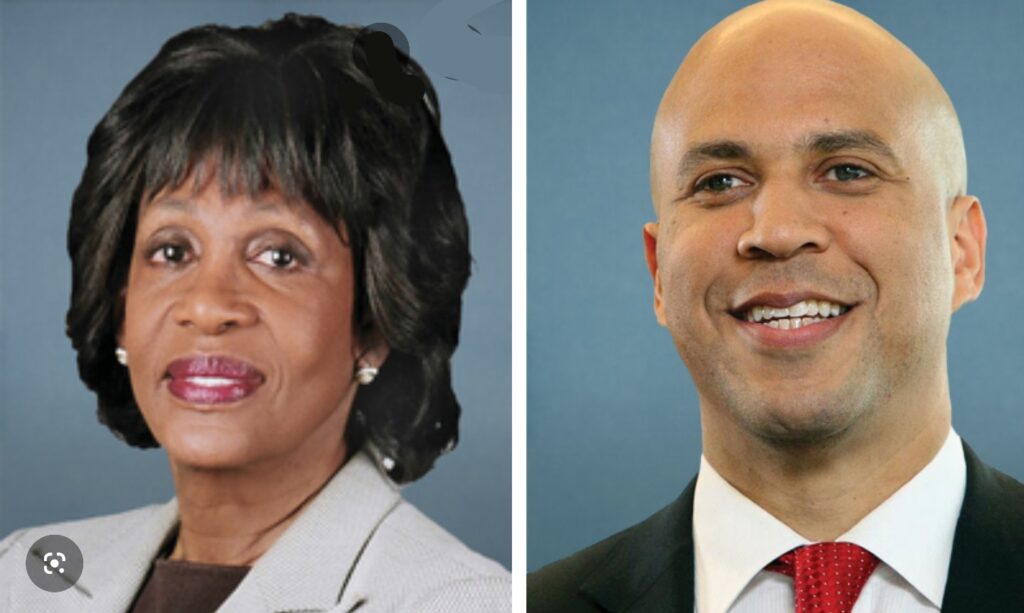
 The Fair Competition for Small Business Act seeks to close this enforcement gap by amending the Clayton Act to explicitly authorize state attorneys general to bring civil actions for monetary damages when violations of the Robinson-Patman Act occur. This change would place Robinson-Patman enforcement on similar footing with other federal antitrust laws, giving states the ability not only to stop unlawful practices but also to recover damages on behalf of affected businesses.
 Public reaction reflected in local, national, and industry-focused social media discussions has highlighted several recurring themes. Small business owners and advocacy groups have shared firsthand accounts of struggling to compete with larger rivals due to unequal pricing and contractual terms. Community organizations have emphasized the connection between independent retailers and neighborhood stability, noting that store closures can exacerbate food access challenges and economic decline, particularly in underserved areas. At the same time, policy analysts and legal commentators have pointed to recent regulatory actions and court filings as signs of renewed attention to antitrust enforcement more broadly, framing the legislation as part of a larger shift in competition policy.
 marketplace. They argue that meaningful competition depends not only on innovation and efficiency but also on rules that prevent dominant firms from using their size to exclude smaller rivals. By equipping state enforcers with stronger tools, the Fair Competition for Small Business Act aims to rebalance competitive conditions without imposing new regulatory frameworks.
 1man1vote:
  Over the course of a packed two-day schedule, Congresswoman Maxine Waters engaged with thousands of residents across Los Angeles County’s 43rd District, participating in seven major community events centered on public health, small business development, food security, veterans’ support, LGBTQ+ history, and youth-focused service initiatives. Across social media platforms, attendees documented an active weekend marked by large turnouts, community partnerships, and—in several cases—high levels of volunteer engagement.
 than 1,000 participants. As Co-Chair of the Congressional Task Force on Alzheimer’s Disease, she addressed the crowd with an emphasis on federal investment and caregiver support. She noted her longstanding collaboration with national Alzheimer’s organizations and highlighted the substantial growth in federal research funding achieved over the past decade.
 Basement’s newest South Bay location and its accompanying SnowFest celebration. The event drew families, outdoor recreation groups, and local officials.
 of LGBTQ+ civil rights leader Morris Kight’s ashes atop the Chapel of the Gower Mausoleum. Kight, a pioneering activist whose influence shaped both Los Angeles and the national movement, was commemorated by advocates, historians, and community partners.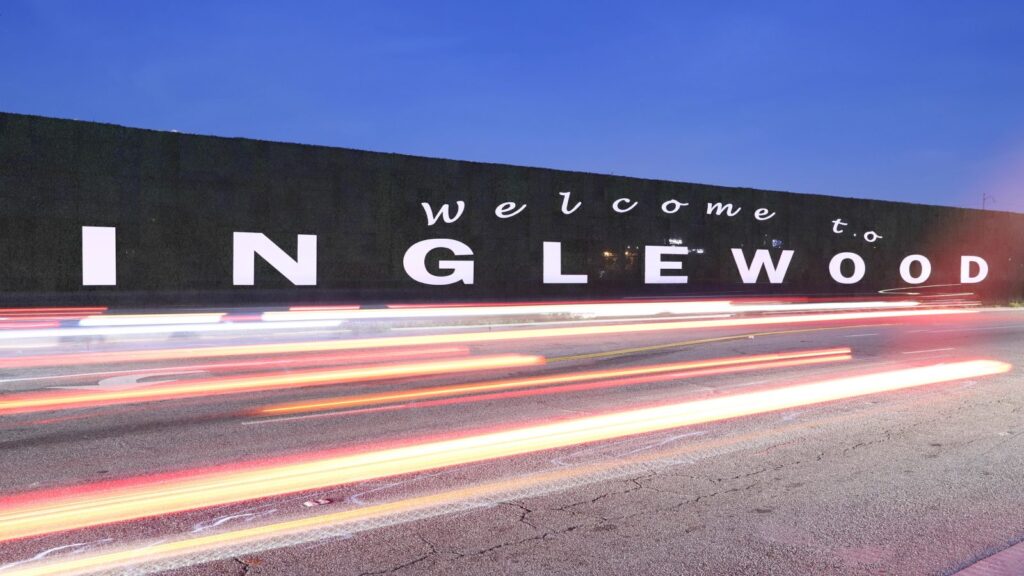
 From Jesse Owens Park, the Congresswoman moved to Hawthorne VFW Post 2075 to assist with its annual Thanksgiving dinner for veterans. Established in 1943, the post is one of the oldest in the South Bay and continues to serve as a center of support, connection, and service.
 different dimension of community need. Her schedule ranged from health advocacy to LGBTQ+ historical recognition, and from family assistance efforts to fitness-based community gatherings.
 Waters’ statement pointed constituents to concrete, actionable resources in Los Angeles County and in the cities that fall within California’s 43rd Congressional District — including Inglewood, Hawthorne, Gardena, Lawndale, Compton and Torrance — where municipal and nonprofit networks are expanding emergency assistance while the federal picture remains unsettled. Her office listed phone and web contacts for food help and programs that serve seniors, families and young children.
 v- Wade, the ACA has been on the resident’s seek and destroy list every since President Obama “clowned” Donald Trump was at the 2011 White House Correspondents’ Dinner, where he heavily mocked trumplethinskin over the “birther” conspiracy theory.
 On the seventeenth day of the government shutdown, Maxine Waters introduced the Head Start Shutdown Protection Act of 2025 (H.R. 5790) in the House of Representatives. The proposed legislation seeks to shield the nation’s early-childhood education programs from disruption when federal funding lapses.
 funds they expend to maintain Head Start or Early Head Start operations during a shutdown. The mechanism requires entities to front the cost and seek federal reimbursement after funding is restored.
  From a policy-perspective, the bill raises questions about the role of federal contingency mechanisms in essential services. If local entities bear the upfront cost of continuity, states and districts with fewer resources may be disadvantaged—raising equity concerns. And while reimbursement after the fact provides relief, it does not necessarily mitigate the risk of short-term service interruption or cash-flow stress.